



A team of chemists from the University of Copenhagen has made a significant breakthrough in the fight against two of the biggest environmental challenges of the 21st century: plastic pollution and climate change.
According to an article published in Science Advances, the researchers developed a method to convert PET plastic waste into a highly efficient carbon dioxide (CO₂) absorbent.
PET Plastic: from environmental pollution to strategic input
The most common type of plastic is transformed into a tool to mitigate global warming.
PET (polyethylene terephthalate) is widely used in packaging and textiles, but its accumulation in landfills and oceans generates persistent microplastics that contaminate the air, soil, and water.
The new technology allows for chemical recycling of this waste, even those that traditional systems do not process, to obtain a material called BAETA, capable of capturing CO₂ with an efficiency comparable to current industrial technologies.
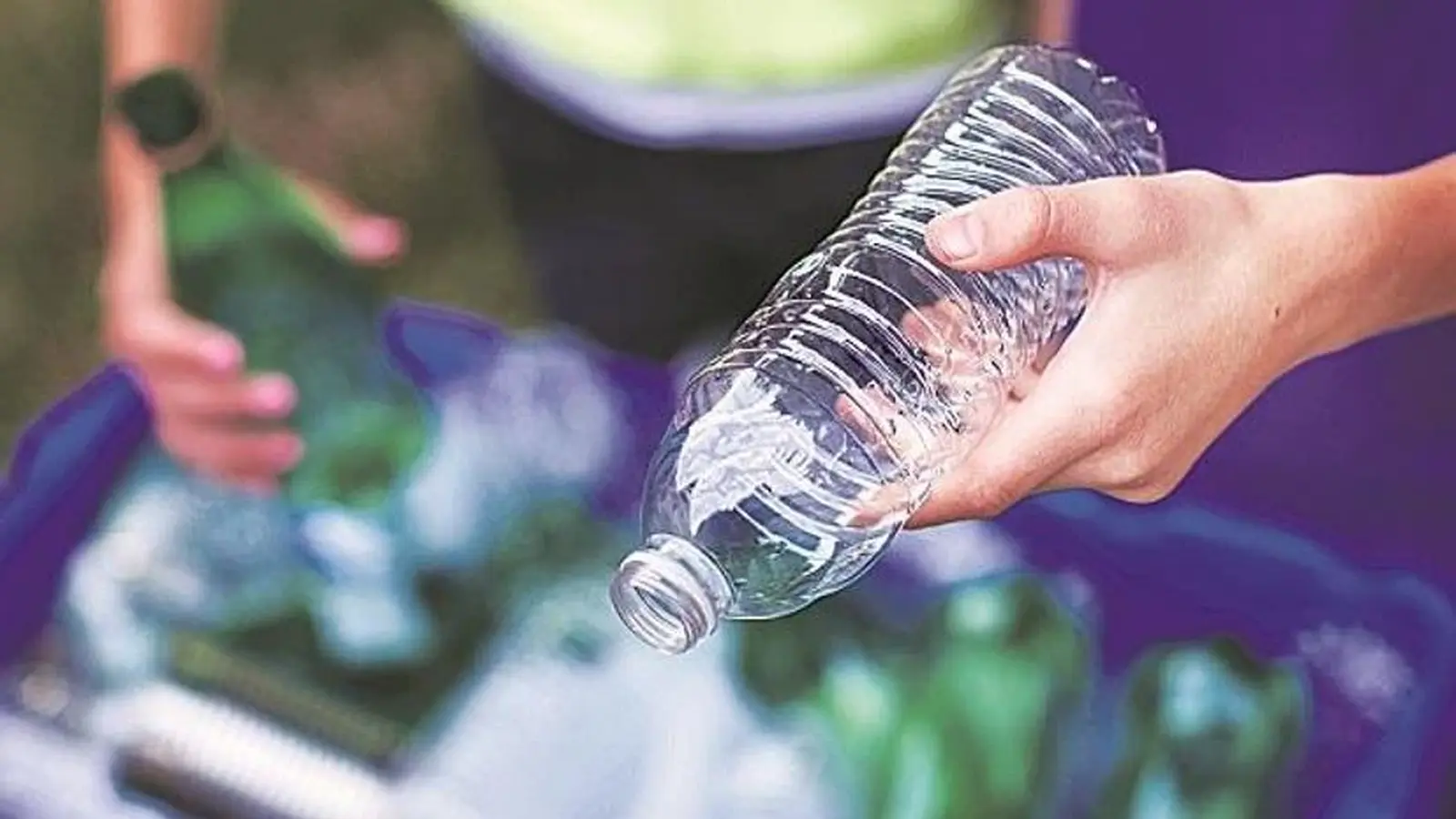 They achieve a key step against plastic pollution
BAETA: a carbon absorbent with industrial potential
The new material can be installed in chimneys to purify emissions and be reused.
The BAETA material has a pulverulent structure and optimized chemical surface, allowing it to effectively fix atmospheric CO₂.
Once saturated, the gas is released through controlled heating, allowing it to be collected, stored, or reused as a resource. Researchers project its application in industrial plants, where it could be installed at chimney outlets to reduce emissions in real-time.
“The advantage of this method is that we solve a problem without creating another,” explained Margarita Poderyte, lead author of the study. “We transform waste into a raw material that actively contributes to the climate solution.”
Scalable technology and soft synthesis: advantages over conventional methods
The process takes place at room temperature and allows for large-scale production.
Unlike other carbon capture materials, the synthesis of BAETA is carried out at room temperature, which reduces energy consumption and facilitates its industrial scaling. The team is already working to attract investments to produce the material in tons and turn the invention into a sustainable company.
Circular economy and over-recycling: a new approach to waste
Highly degraded oceanic plastic could become a valuable input.
Researchers emphasize that decomposed PET floating in the oceans is particularly suitable for this process.
Instead of treating it as waste, they propose revaluing it through over-recycling, integrating plastic waste management into the climate mitigation strategy.
“This approach can radically change the way we address environmental problems, which are usually treated separately,” Poderyte concluded.



