



Researchers from the CONICET are working on a key study to replace petroleum-derived plastics with biodegradable polymers.
The goal is for these to “revolutionize” the Argentine agri-food industry.
The project aims to replace polluting plastics with sustainable materials extracted from natural sources.
The team is led by María Guadalupe García from the Institute of Applied Physics “Dr. Jorge Andrés Zgrablich” (CONICET-UNSL).
In particular, they are developing renewable alternatives for packaging, agricultural mulching, and other products traditionally made with polyethylene.

From plastics to nature: the necessary transition developed by CONICET
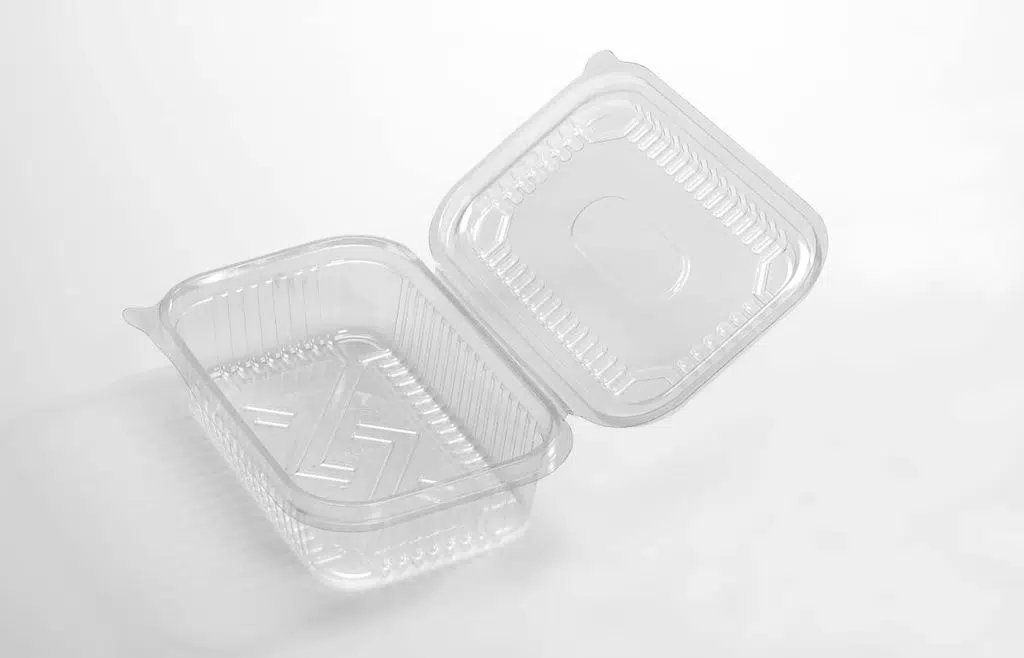
In recent decades, the packaging industry adopted petroleum-derived plastics due to their low cost, resistance, and versatility.
However, these non-biodegradable materials generate enormous amounts of waste that pollute the environment.
Therefore, the CONICET study focuses “on polymers obtained from natural sources, which are renewable and biodegradable“, explains García.
Additionally, they aim for these to “serve the same function as plastics that we currently find both in food packaging and in the agricultural food production industry“, García explains.
These natural polymers are found in fruits, plant cell walls, and some animal structures.
They are organic compounds of high molecular weight that offer properties similar to conventional plastics, but without negative environmental impact.
Concrete applications in agriculture and food
The Laboratory of Membranes and Biomaterials (BIOMAT) at CONICET develops specific solutions for different sectors:
Active packaging and smart labels:
- Extend the shelf life of food without chemical preservatives
- Eliminate the need for artificial flavorings and colorings
- Reduce the use of polluting plastics in the food chain
Biodegradable mulching for horticulture:
- Controls weeds without agrochemicals
- Contributes to vegetable growth
- Degrades naturally without leaving residues
Controlled release systems:
- Gradual application biofertilizers
- Sustainable gels for environmental remediation
- Filters for industrial water purification
García also highlights an additional benefit: “The first major benefit is related to reducing pollution levels“.
“On the other hand, we seek a benefit, for example, in the packaging of a food product, contributing to the extension of its shelf life without the addition of chemical compounds“, she added.
Trajectory and projection of the CONICET project
BIOMAT was established in 1983 with José Marchese and is currently led by Nelio Ariel Ochoa, a researcher at CONICET.
The group transitioned from developing polymeric membranes for water purification to biopolymers as a sustainable alternative.
“We initially were a membrane development group, polymeric films as filters for water purification, for the removal of toxic ions from industrial effluents, and then we shifted towards the agri-food industry and biopolymers“, García notes.
The laboratory includes professionals from various disciplines: chemists, food engineers, biochemists, and molecular biologists.
This diversity of specialties allows addressing challenges from multiple perspectives.
The team has already established an R&D+License agreement with the company FluidsControl and technological linkage projects with the government of San Luis to address social vulnerability issues.
Although research and development remain, García maintains a clear vision: “The group’s great goal is to see what they develop in the laboratory one day applied in gardens and, above all, in the market”.
The CONICET initiative represents a fundamental step towards a circular economy that replaces polluting plastics with materials that respect the planet’s natural cycles.



