



The city of Posadas (Misiones) is advancing in the incorporation of drones for the monitoring of mosquito breeding sites, inspired by experiences from Brazil, China, and the United States.
The technology aims to detect inaccessible sites where Aedes aegypti larvae, transmitters of dengue, zika, chikungunya, and yellow fever, develop and to apply larvicides precisely.
Fabricio Tejerina, director of Vector Surveillance and Control of the municipality, highlighted that this tool would allow action in cemeteries, junkyards, and abandoned houses, places where manual access is limited.
Brazilian Experience in Chapecó
In the locality of Chapecó (Brazil), the municipality and the Community University are conducting research on the use of drones to apply Bacillus thuringiensis (BTI), a bacterium harmless to humans and animals but highly effective against mosquito larvae.
The trials demonstrated that the aerial application of BTI:
- Expands operational coverage.
- Improves efficiency in arbovirus prevention.
- Generates acute and residual effects in potential breeding sites.
Advantages of the Technology
- Precise programming: amount of product per hectare and type of drop adjusted automatically.
- Intelligent mapping: software that identifies yards, roofs, and useful areas for applying larvicide.
- Preventive action: allows intervention in inaccessible places without the need for vehicles.
Importance of Eliminating Breeding Sites
Eliminating breeding sites is the most effective measure to break the mosquito reproduction cycle:
- Public health protection: prevents epidemic outbreaks and protects communities.
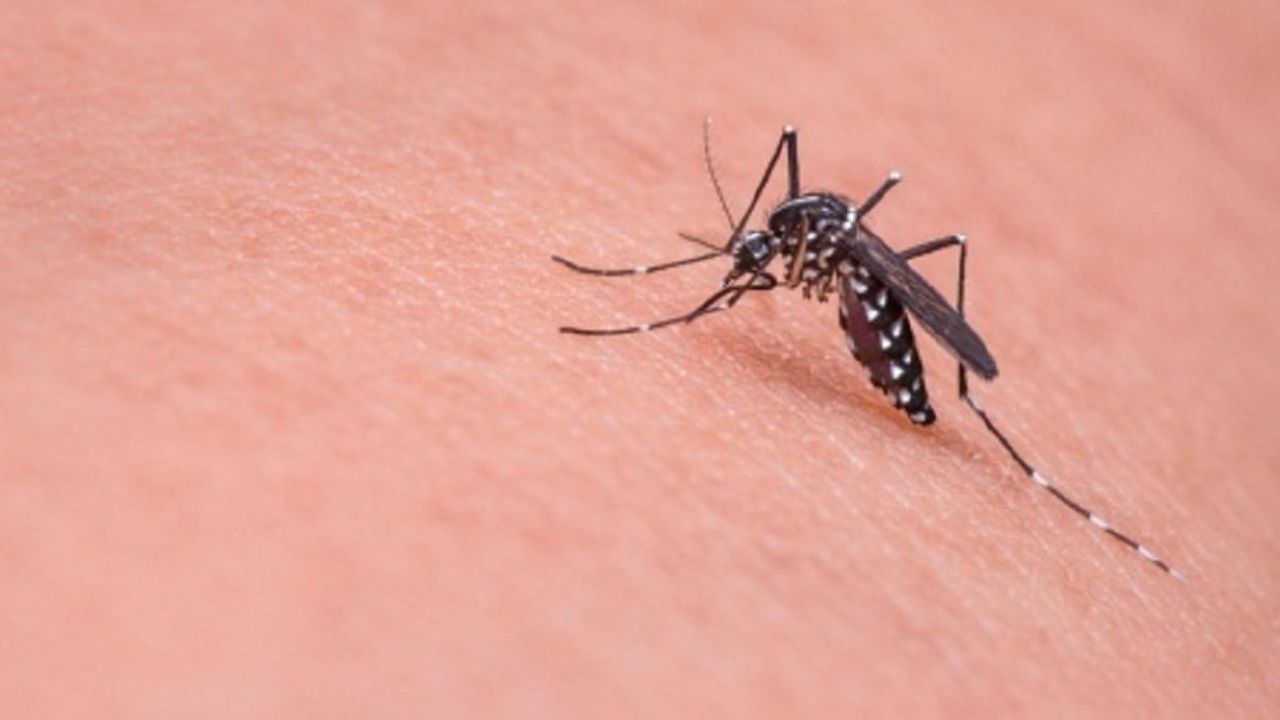
- Domestic mosquito: Aedes aegypti breeds in artificial objects with clean water (cans, tires, gutters).
- Year-round prevention: its eggs withstand droughts and low temperatures, so continuous junk removal is vital.
- Effectiveness superior to fumigation: while fumigation kills adults, eliminating breeding sites tackles the problem at its root.
Challenges for Posadas
The implementation of drones will require municipal ordinances and the development of specific software to map risk areas. The idea is for a small drone to conduct reconnaissance and another, equipped to apply larvicide, to intervene only in places identified as breeding sites.
This approach proposes a paradigm shift in vector control: moving from mass fumigation to focused application, reducing costs and increasing effectiveness. Additionally, the technology could be integrated with geographic information systems and public health databases, allowing real-time monitoring of the evolution of hotspots.
Regional and Global Impact
The experience of Posadas joins an international movement seeking to modernize vector control strategies. Countries like China and Indonesia are already applying drones in rural and urban areas, while Brazil is advancing with pilot tests with encouraging results.
If this practice is consolidated, Misiones could become a regional leader in health innovation, providing replicable solutions in other Argentine provinces and neighboring countries.
The use of drones in Posadas represents a new strategy applied to vector control, with the potential to transform the prevention of dengue and other mosquito-borne diseases.
The combination of technological innovation, international cooperation, and public policies can mark a decisive change in community health protection.



