



Urban rewilding is transforming our gray cities into vibrant, living ecosystems. Can this green revolution really save our mental health and the planet simultaneously?
Modern cities are transforming into lush, green landscapes before our very eyes. This revolutionary movement, known as urban rewilding, aims to bring wild nature back to our doorstep. It is not just about aesthetics; it is about survival. As we move forward, we must rethink how we inhabit our increasingly crowded and gray urban spaces.
For too long, we have lived in sterile environments dominated by concrete and steel. This disconnection from the natural world has led to numerous environmental and health issues. Fortunately, a new wave of urban planning is finally prioritizing biodiversity. We are starting to realize that cities can be vibrant, healthy ecosystems for everyone to enjoy together.
Breaking the Concrete Jungle
One major step involves removing impermeable surfaces like old, cracked asphalt. These surfaces prevent rainwater from soaking into the ground, causing dangerous urban flooding. By replacing concrete with soil and plants, cities can act like massive sponges. This process naturally cools the air and replenishes groundwater levels, creating a more resilient and sustainable environment.
To understand the technical aspects of this transformation, you can follow this comprehensive guide on urban greening. Such resources explain how specific plants can maximize ecological benefits.
Learning about these methods allows citizens to participate in local rewilding projects. We all have a vital role to play in this necessary urban transformation.
The Hidden Benefits of Wild Spaces
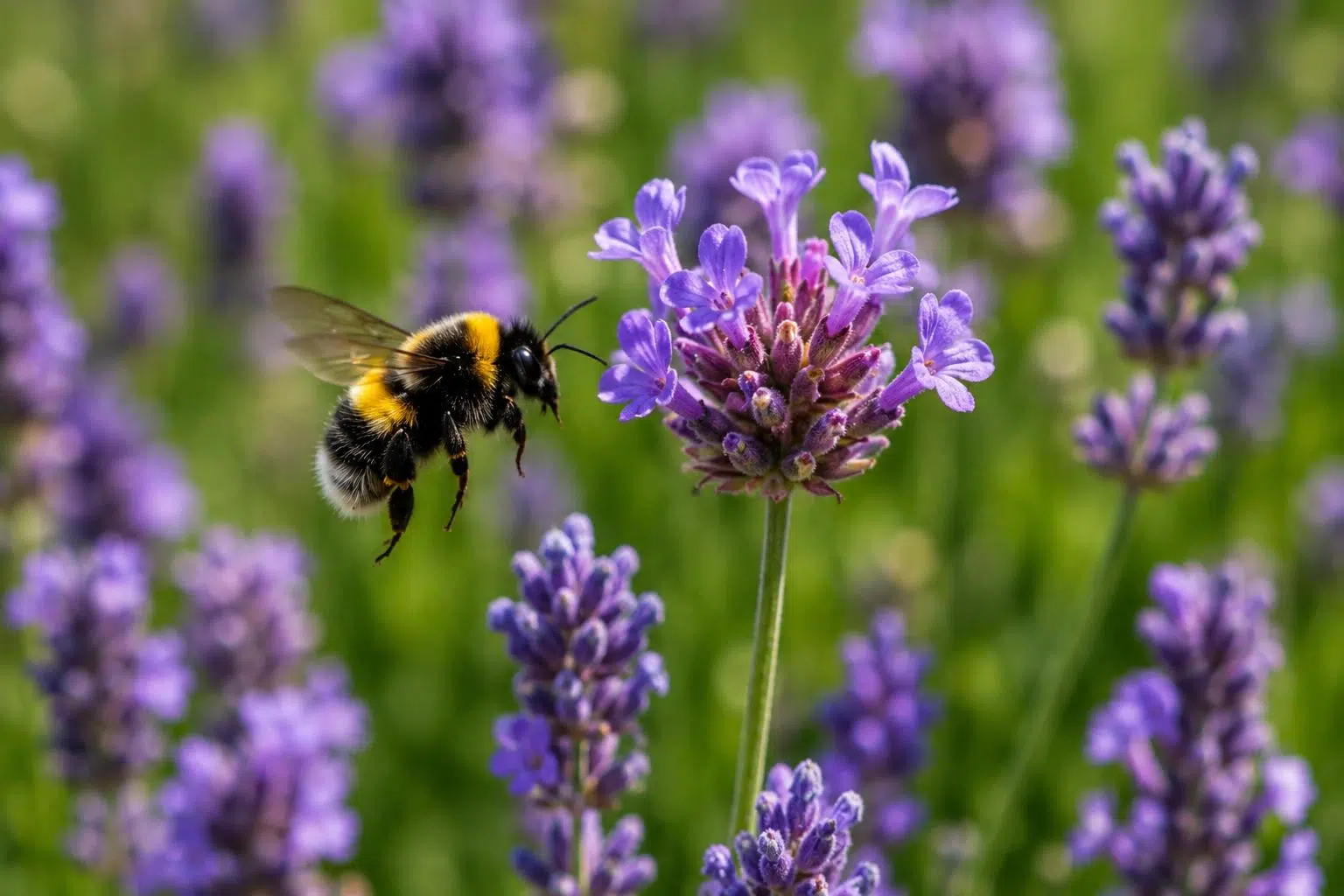
Urban meadows are replacing perfectly manicured lawns in many forward-thinking neighborhoods. These wilder areas provide essential habitats for pollinators like bees and butterflies. Biodiversity thrives when we stop using harmful pesticides and let nature take its course. It is a simple change that yields massive results for the health of our local wildlife.
Beyond the environmental impact, these spaces offer incredible recreational value for residents. People find peace and relaxation when surrounded by diverse flora and fauna. Even those looking for a fast-paced casino portal without 5-second delay often appreciate a walk in the park afterward.
Balancing digital entertainment with physical green spaces is key to a modern lifestyle.
A Healthier Future for Everyone
Scientific studies show that spending time in nature significantly reduces stress and anxiety. The sights and sounds of a forest can lower our heart rates. Bringing these elements into the city makes mental health support accessible to everyone. Urban rewilding is essentially a public health strategy that benefits every single person living in the modern area.
As we look toward the future, the integration of nature and architecture will only grow. We must continue to support policies that prioritize green infrastructure over mindless expansion. Every tree planted and every square meter of asphalt removed contributes to a better world. Our cities can become beacons of hope for a truly sustainable planet.



