



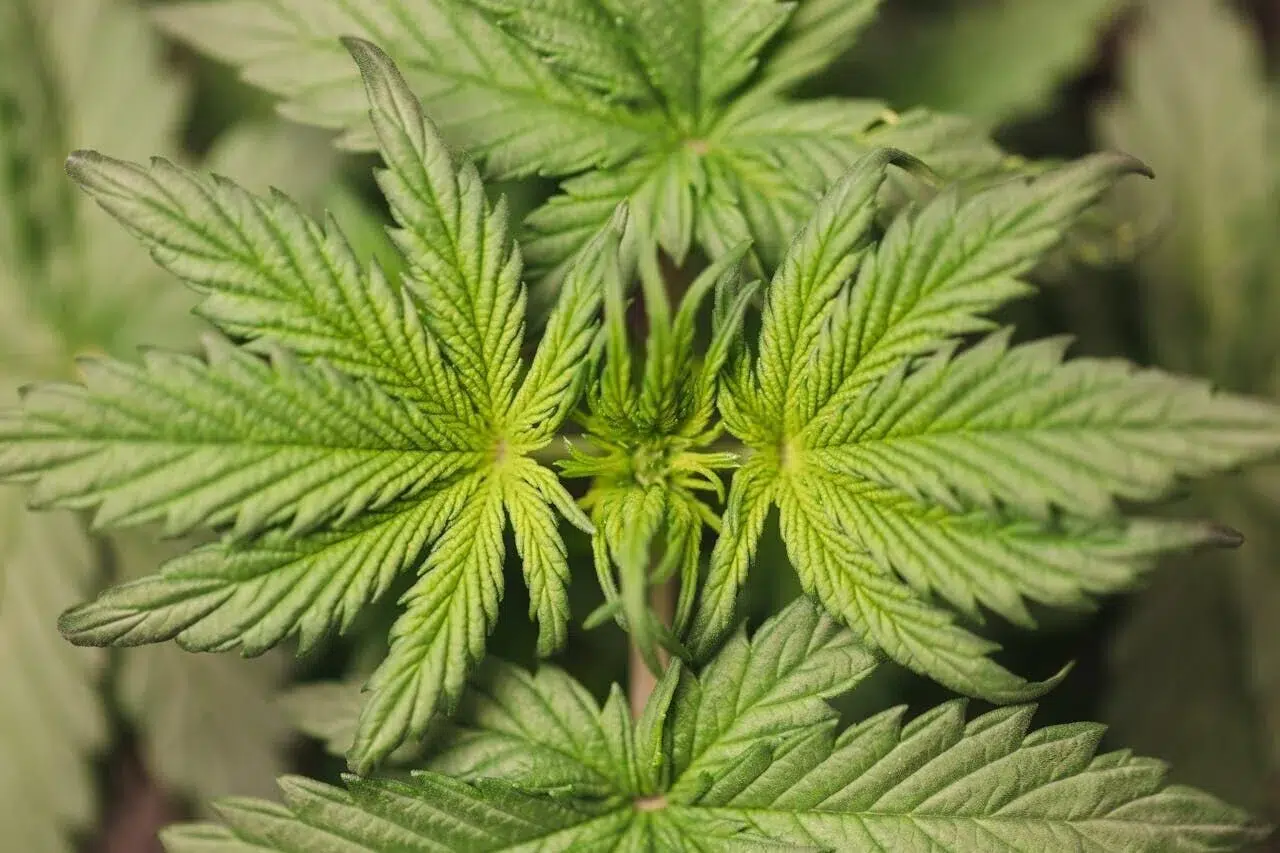
A group of researchers developed a hemp-derived plastic, a type of non-psychoactive cannabis.
The material, published in Chem Circularity by Cell Press, is based on cannabidiol (CBD) and features unprecedented properties:
- Extreme elasticity: it can stretch up to 1,600% of its original size without losing stability.
- High glass transition temperature: it maintains rigidity even in contact with boiling water.
- Thermal durability: it competes with conventional synthetic plastics.
BPA Substitute
Currently, many polycarbonates are made with bisphenol A (BPA), which has been questioned for its negative effects on human health.
Hemp CBD could become a viable substitute for BPA, offering a safer and more sustainable alternative.
Industrial Applications
Hemp is emerging as a raw material for:
- Transparent plastic films.
- Heat-resistant coatings.
- Substitutes for PET (polyethylene terephthalate), used in bottles, food packaging, and flexible electronic components.
The research team claims to have achieved these properties for the first time in a plant-based polycarbonate, paving the way for manufacturing processes through fusion and molding similar to petroleum-derived plastics.
Scientific Advances and Remaining Challenges
Mukerrem Cakmak, co-author of the study, emphasizes that CBD-derived polycarbonates can compete with thermoplastics like PET. The scientific framework developed links the material’s molecular structure with its processing capability and elasticity, without compromising industrial viability.
- Insufficient CBD production: it still does not reach the level needed to replace PET on a global scale.
- Mechanical resistance: work is being done to improve it.
- Industrial scalability: adapting the process to large production volumes.
Hemp as a Versatile Resource
In recent years, hemp has gained prominence in sectors such as the textile industry, construction, and food. Its agricultural advantages make it an attractive option:
- It can be grown in various climates.
- It requires little water and almost no pesticides.
- It can be alternated with traditional crops like corn or soy.
The development of hemp-derived plastics represents a significant advance towards the circular economy and reducing dependence on oil. Although there are still production and scalability challenges, this material promises to become a viable alternative for packaging and industrial products, offering resistance, elasticity, and sustainability.
Plastic pollution is one of the greatest current environmental challenges. Every second, more than 200 kilos of plastic are thrown into seas and oceans, materials that take between 100 and 1,000 years to degrade. In this context, the search for sustainable substitutes has become a global priority.



