



Plastic pollution is one of the greatest environmental disasters of our time. Each year, more than 400 million tons of plastics are produced, much of which ends up in oceans, rivers, and soils, releasing microplastics that are already found in the air, water, and food.
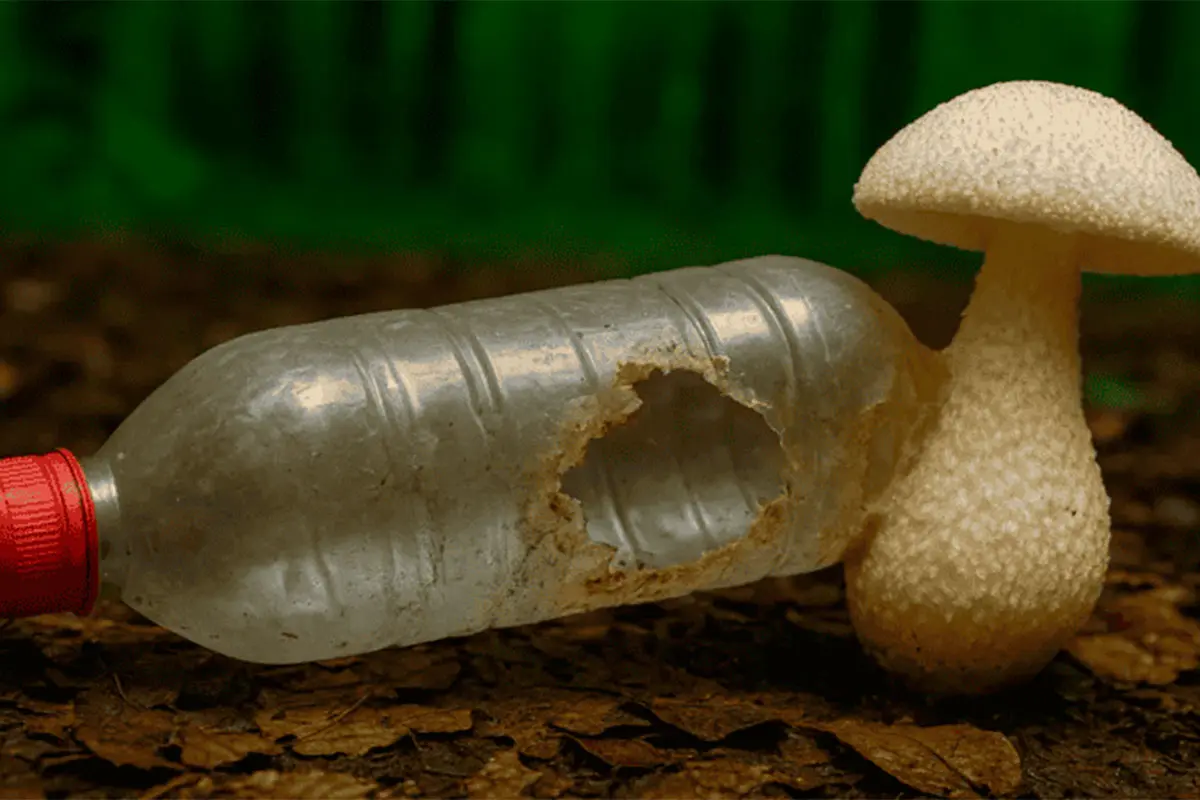
In this context, a small Amazonian fungus could become a natural solution to the planetary ecocide.
The Discovery of Pestalotiopsis microspora
The genus Pestalotiopsis was described in 1880 by Argentine mycologist Carlos Luigi Spegazzini. However, it was not until 2011 that a group of researchers from Yale University, exploring the Ecuadorian Amazon, discovered that one of its species had an extraordinary ability: to decompose polyurethane and survive even without oxygen.
This endophytic fungus, which normally inhabits plant tissues without causing harm, surprised the scientific community with its unique metabolism.
Through specific enzymes, Pestalotiopsis microspora can break the chemical bonds of polyurethane and convert them into simpler compounds that it uses as an energy source.
A Metabolism Capable of Transforming Waste
The ability of this fungus to feed on plastics makes it a key candidate for environmental biotechnology.
Scientists are studying how to harness its enzymes in more sustainable waste treatment systems and how to transfer the genes responsible for this ability to other microorganisms, which would allow the degradation of plastics like PET or PVC.
Although its practical application is still in the experimental phase, the discovery opens up the possibility of biological recycling facilities, where colonies of fungi decompose tons of plastic waste, drastically reducing pollution.
The PET Crisis: A Global Challenge
PET (polyethylene terephthalate) is one of the most common and problematic plastics. Its durability and low recycling rate make it a persistent pollutant:
Environmental Pollution
- Persistence: it can take more than 400 years to degrade.
- Ecosystem contamination: affects soils, groundwater, and seas, damaging habitats and species.
- Microplastics: releases toxic particles during its decomposition.
Health Risks
- Chemical release: dangerous substances like phthalates can leach into water and food.
- Health problems: prolonged exposure linked to respiratory, dermal, and endocrine conditions.
Inefficiency of Recycling
- Low recycling rate: only about 11% of PET is recycled globally.
- Polluting methods: traditional processes generate emissions and reduce the quality of the recovered material.
- Massive waste: single-use plastic constitutes half of current production, saturating landfills and incinerators.
A Biotechnological Hope
Pestalotiopsis microspora represents a natural alternative to the plastic crisis. Its ability to degrade polyurethane and survive in extreme conditions makes it a valuable resource for the future of waste management.
Although years of research are still needed to scale this finding to an industrial level, the path is open. Biotechnology could transform what is now a global problem into an opportunity to restore ecosystems and protect human health.
The Importance of This Discovery
The Amazonian fungus that “eats” plastic demonstrates that nature holds unexpected solutions to the most complex environmental challenges.
If its potential can be harnessed, we could be facing a revolutionary tool to tackle the plastic crisis and move towards a more sustainable production and consumption model.



