



Global warming not only melts glaciers and alters climates: it is also silently undermining global biodiversity. This phenomenon has become one of the five greatest pressures on wildlife, alongside habitat loss, overexploitation, pollution, and invasive species.
Biodiversity is facing a perfect storm. Climate change exacerbates existing threats, forcing many species to adapt in record time or face extinction. Conservation strategies must be updated to integrate urgent responses to the new climate scenario.
It is crucial to find synergies between conservation policies and climate mitigation ones. Initiatives linking sustainable biodiversity use with adaptation measures could make a difference in the fight to preserve the planet’s ecosystems.
The impact is not only environmental but also ecological and social. The loss of species and ecological functions threatens the balance of ecosystems, affecting essential services such as pollination, the water cycle, or climate regulation.
Global biodiversity at increasing risk
A recent study analyzed over 70,000 animal species and revealed that at least a quarter of them are threatened by climate change. Marine invertebrates, in particular, face extreme risks due to their sensitivity and limited mobility in adverse conditions.
Heatwaves, fires, droughts, and floods cause massive die-offs that completely disrupt food chains. This destabilizes carbon and nutrient cycles, pillars of the functioning of natural ecosystems.
Recent cases such as the disappearance of 10,000 million snow crabs in the Bering Sea or the deaths of millions of groupers and cod in the Pacific illustrate how climate change is already altering marine life on a large scale.
However, knowledge is still insufficient. While almost three-quarters of vertebrates were evaluated, only 1.6% of invertebrates—which represent the majority of fauna—were considered. This gap threatens to invisibilize an expanding global crisis.
 Amphibians, the other threatened by climate change.
Species most threatened by climate change
Climate change affects global fauna unevenly, and some species are particularly vulnerable due to their biology, habitat, or limited adaptability. Among the most threatened are corals, sensitive to rising water temperatures and ocean acidification.
Amphibians, such as frogs and salamanders, are also at risk, as they depend on moist habitats that are affected by droughts and changes in precipitation patterns. Their permeable skin makes them especially sensitive to climate disruptions.
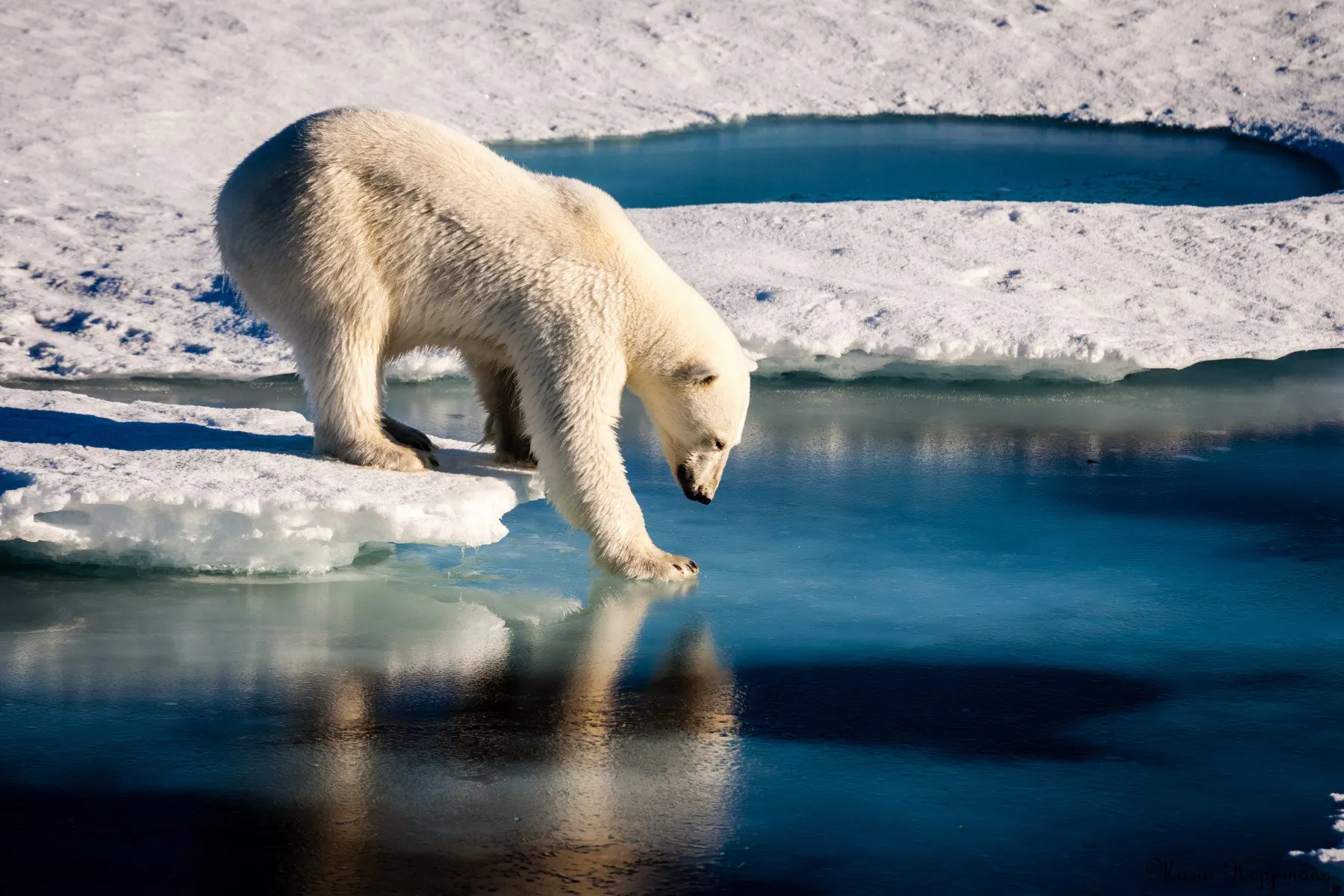
Polar species like the polar bear and Arctic fox face rapid loss of sea ice, essential for hunting and reproduction. Their survival is intimately linked to disappearing ecosystems.
Also at risk are species inhabiting mountainous or island areas, such as the snow leopard or certain types of endemic birds, which cannot migrate to more suitable climates due to their geographic isolation.



