



The global climate scenario is beginning to show clear signs, and specialists are already talking about a change in trend: the El Niño phenomenon has more than a 60% chance of developing in 2026 and could intensify to become a “Super El Niño”.
Although the National Meteorological Service maintains its forecast in neutral conditions for the April-May-June quarter, international organizations are already projecting what will come next.
The information released by the European Centre for Medium-Range Weather Forecasts anticipated that the phenomenon could activate between May and July, with a 61% probability, and extend towards the end of the year.
When it would arrive and why the probability increases The process is already underway. According to recent reports, the Pacific Ocean has begun to warm steadily, a key signal in the transition from La Niña to a neutral and subsequently warm phase.
In recent months, an increase in temperature has been detected in the equatorial Pacific region, along with a decrease in the intensity of the trade winds. This combination favors the accumulation of heat in the ocean, which usually anticipates the development of El Niño.
For experts, the critical point will occur from the Argentine winter. If the trend continues, the phenomenon would begin to consolidate from mid-2026 and could strengthen towards the last quarter of the year.
The Super El Niño
What is a “Super El Niño” and why it causes concern The term “Super El Niño” is not a formal scientific category, but it is used to describe events of exceptional intensity within the El Niño-Southern Oscillation (ENSO) cycle.
This scenario is discussed when the ocean warming exceeds +2 °C compared to the average over a prolonged period.
The last major precedent occurred between 2015 and 2016, with severe climatic consequences globally.
According to current models, there is even a probability close to 25% that the 2026 event will reach that intensity, which has raised alarms in the meteorological community.
For Argentina, an event of these characteristics does not go unnoticed. Historically, El Niño is associated with an increase in rainfall in the Litoral region and the center of the country, as well as thermal variations.
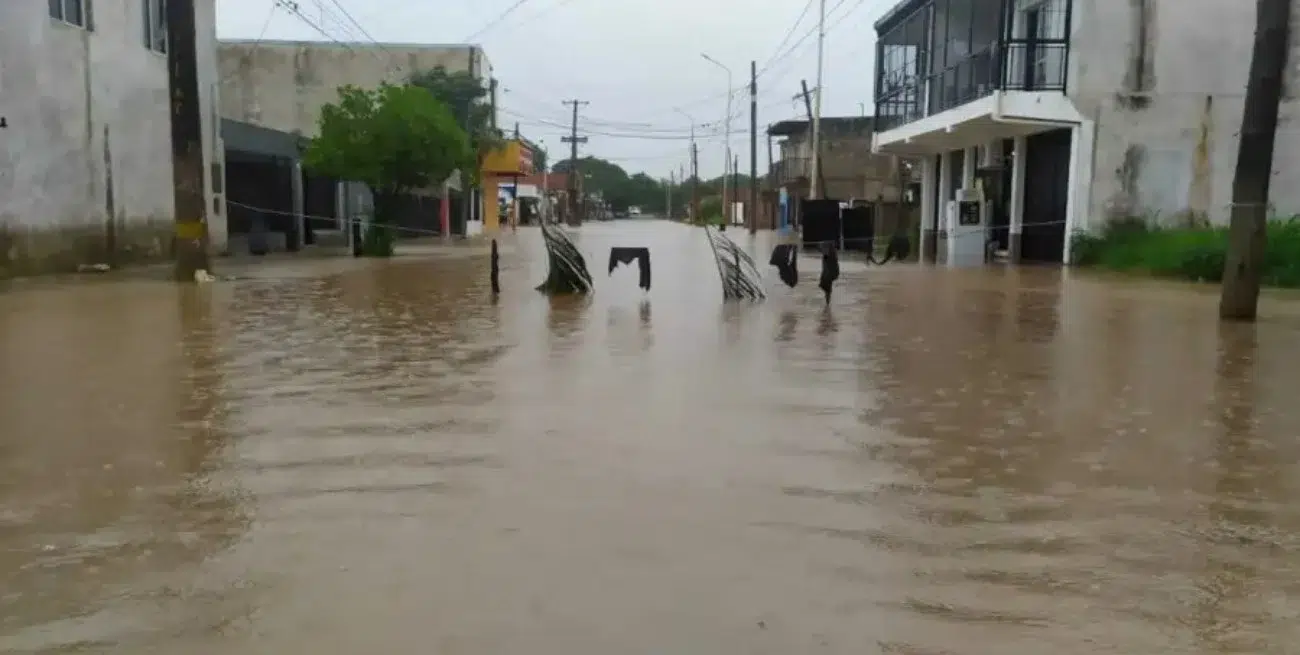
If the phenomenon intensifies, it could lead to more frequent storms, above-normal precipitation, and even the risk of flooding in some areas.
For now, the outlook continues to evolve. But with the warming of the Pacific advancing month by month, specialists agree that 2026 could mark the return of one of the planet’s most influential climate phenomena, with a direct impact on daily life and agricultural production in Argentina.


