



A simple game played by an eight-year-old boy in a forest in Pennsylvania, United States, led to a scientific discovery that changed the way ecologists understand interactions between plants and insects.
Hugo Deans found some strange “seeds” that turned out to be oak galls, protective formations created by wasps for their larvae.
What seemed like a casual anecdote became the beginning of a revolutionary research. Why and what doors did it open.
The unexpected discovery: the incredible manipulation by gall wasps
The boy assumed they were seeds fallen from trees, so he picked them up and showed them to his father. Andrew, entomology professor, soon recognized that what his son had found were not seeds, but oak galls.
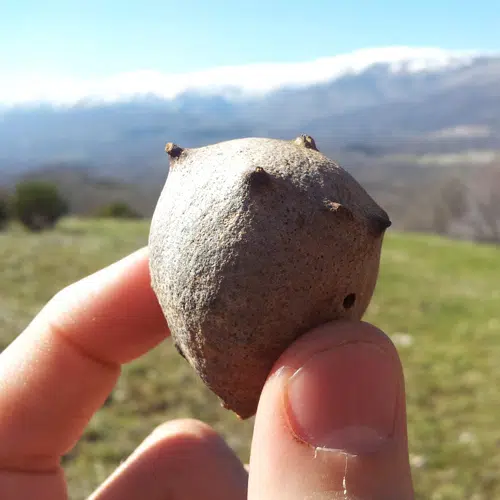 Oak galls. (Photo: Mundo Lanar).[/caption>
The study, published in the journal American Naturalist, reveals an unexpected survival strategy. Gall wasps not only manipulate the oak to build a nutritious shelter for their offspring, but they also deceive ants.
How do they do it? Some galls develop a fleshy pink cap, chemically similar to the seeds ants seek for food, a process known as myrmecochory.
This cap contains fatty acids that attract the ants, which carry them to their nests believing they are food.
Once in the ant colony, wasp larvae are protected from predators and adverse weather conditions. Thus, wasps manage to make ants act as involuntary guardians, a level of manipulation that even amazed the most experienced scientists.
Research and future applications of this discovery
To confirm this hypothesis, researchers conducted a series of controlled experiments. They recorded ants interacting with galls with and without the chemical lure, and the results were clear: only galls with the chemical lure were transported. The analysis confirmed the presence of fatty compounds that trigger this behavior.
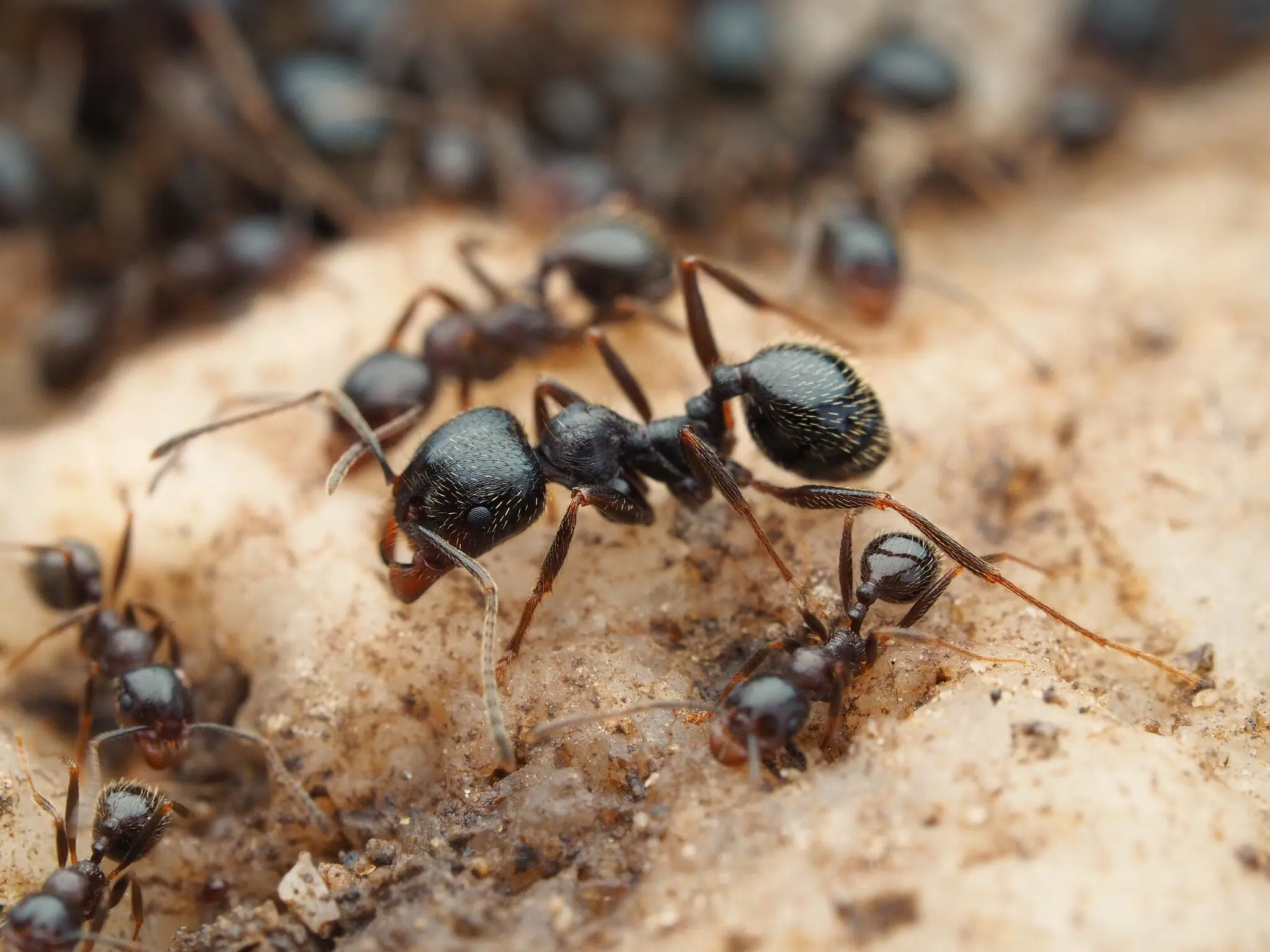 How wasps manage to deceive ants.
This discovery not only expands ecological theory, but it also has implications in other fields. Understanding this chemical manipulation could inspire new research on how certain compounds can attract or repel insects.
This finding demonstrates that chemical manipulation is a common phenomenon in nature, from fungi that control insect behavior to parasites that alter their hosts.
Thus, a simple child’s game revealed one of the most complex ecological interactions known to date, a reminder that science can be found in the most unexpected places.


