



In an almost unthinkable transformation, scientists have managed to turn plastic waste into paracetamol. That is, starting from PET bottles, they reached the vital and globally used analgesic.
All thanks to the power of a transgenic bacterium that has just amazed the world, coming straight from the laboratories of the University of Edinburgh.
From plastic waste to paracetamol: the discovery that could make history
A team led by the chemist Stephen Wallace achieved something incredible: modifying the bacterium Escherichia coli to ingest plastic waste (terephthalic acid, derived from PET) and convert it into paracetamol.
The medication, also known as acetaminophen, is used worldwide for various conditions.
Using synthetic biology and an unnatural chemical reaction called Lossen rearrangement, the bacteria transform plastic into the active ingredient of paracetamol in less than 24 hours, achieving an efficiency of 90‑92%.
And the best part: without generating almost any carbon emissions and at room temperature.
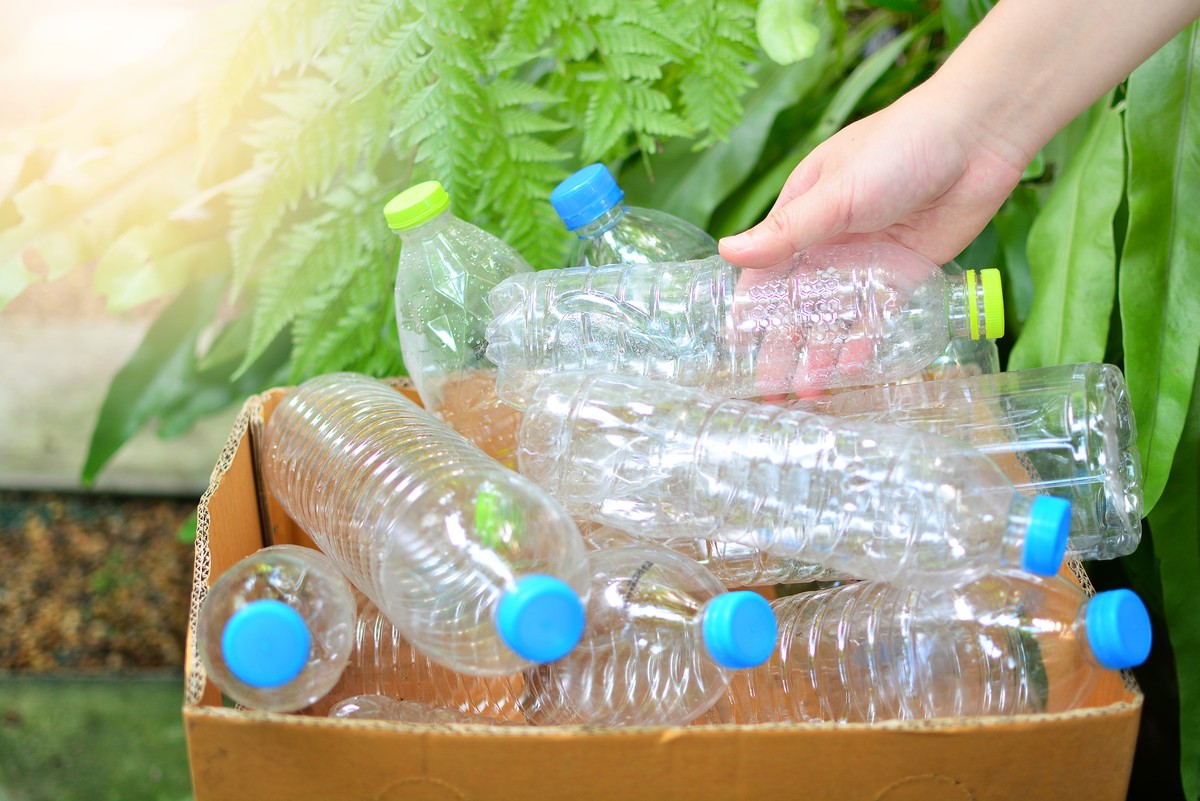 The raw material would be PET plastic.
How does this bacterial “trick” work?
-
From PET to useful precursors: first, PET plastic is chemically broken down to extract terephthalic acid.
-
Internal rearrangement: within E. coli, Lossen rearrangement, activated by natural phosphates, converts the compound into a key precursor (PABA).
-
Final production: through additional genetic engineering (genes from fungi and soil bacteria), that bacterium converts the precursor into pure paracetamol.
A step towards a pharmacological circular economy
Today, paracetamol is produced from petroleum derivatives, with a significant environmental footprint. This innovative method not only offers a more sustainable alternative, but also helps mitigate the enormous plastic problem.
Each year, over 350 million tons of PET accumulate in landfills and oceans.
Although still in the experimental phase and has not been tested on an industrial scale, the technique opens the door to an ecological pharmaceutical industry, where waste becomes raw material for essential medications.
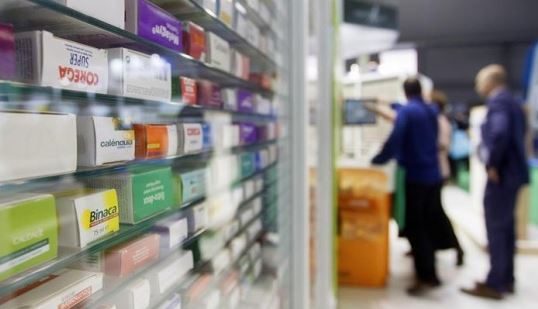 It is used to generate paracetamol.
Researchers emphasize that although the process is highly efficient and clean, there is still a need to develop systems to scale it up industrially and ensure its commercial viability.
Nevertheless, it is already being heralded as a milestone in the bioeconomy: the first real example of chemical “super-recycling” that turns plastic into pharmaceuticals.


