



In Antarctica, a seemingly subtle change is beginning to redefine the functioning of the entire system: snow is being replaced by rain.
However, this transformation is not just a matter of form. On the contrary, it changes the way ice accumulates, is preserved, and melts, accelerating processes that previously occurred slowly.
In this context, the phenomenon becomes a clear sign of the advance of climate change and its impacts on one of the most sensitive environments on the planet.

A new climate pattern in the Antarctic Peninsula
The Antarctic Peninsula is one of the regions warming the fastest. Consequently, there are more days with temperatures above 0°C, which favors the fall of rain instead of snow.
Additionally, episodes associated with atmospheric rivers—currents of warm and humid air—intensify this phenomenon. Thus, intense rains occur in areas where historically snowfalls predominated.
On the other hand, unusually high winter temperatures have been detected, which accelerate surface melting in a matter of hours. This scenario evidences a profound alteration of the regional climate balance.
In turn, the retreat of glaciers and the reduction of sea ice reinforce a trend that could intensify depending on global emissions.
Liquid water and its impact on glaciers
Unlike snow, which acts as a protective layer, rain introduces direct heat into the frozen surface. Therefore, ice loses stability more quickly.
Likewise, liquid water infiltrates deeper layers, facilitating the sliding of glaciers into the ocean. This process increases the loss of mass and accelerates the formation of icebergs.
In parallel, the warming of the surrounding ocean weakens the bases of the ice shelves, further intensifying the deterioration process.
Thus, the change in the type of precipitation becomes a key factor in the dynamics of Antarctic melting.
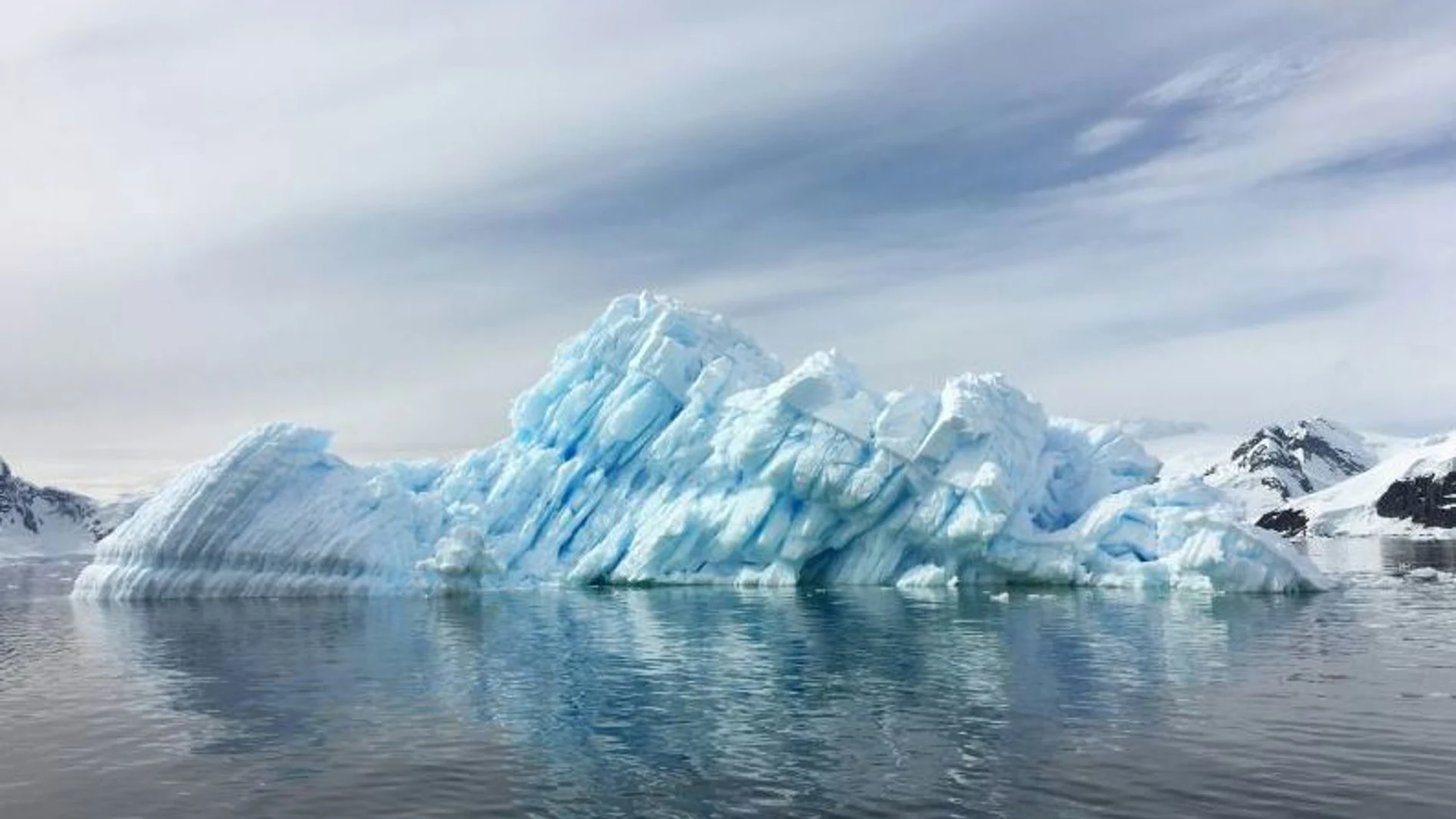
Consequences of climate change in Antarctica
The advance of climate change in Antarctica generates effects on multiple levels. Firstly, it modifies the stability of the ice, which contributes to the rise in sea levels globally.
Additionally, floating ice shelves present a greater risk of fracture. The accumulation of water on their surface favors the formation of cracks that can trigger collapses.
On the other hand, changes in the sea ice cover alter the ocean circulation and global climate patterns. This impacts broader weather systems.
Consequently, what happens in Antarctica does not remain isolated, but impacts the climate balance of the planet.
Transforming ecosystems
The Antarctic fauna also faces these changes. In the ocean, the reduction of sea ice affects krill, the base of numerous food chains.
As a result, species that depend on this resource, such as seals or seabirds, see their food availability altered. This can change their distribution and survival.
On land, the rains pose a challenge for penguin chicks, whose down does not withstand moisture. Therefore, the risk of mortality in early stages increases.
At the same time, some more adaptable species advance into new areas, generating changes in the structure of ecosystems.
Future scenarios and global challenges
Projections indicate that if emissions remain high, the loss of ice could intensify in the coming decades. In that case, the sea level would progressively rise.
In contrast, scenarios with lower emissions would allow for a partial stabilization of these transformations. Therefore, current decisions are crucial for the future.
Additionally, the changes even affect human activity in the region, complicating scientific operations and the maintenance of infrastructures.
In short, the transition from snow to rain represents much more than a climatic variation: it is a direct indicator of a system in transformation that demands urgent responses on a global scale.



