



The H5N1 avian flu was first detected in Antarctica in April 2024, when Chilean scientist Víctor Neira and his team identified five infected skuas. Less than two years later, the virus has fully spread in the region, affecting native species along almost 1,000 km of the western coast.
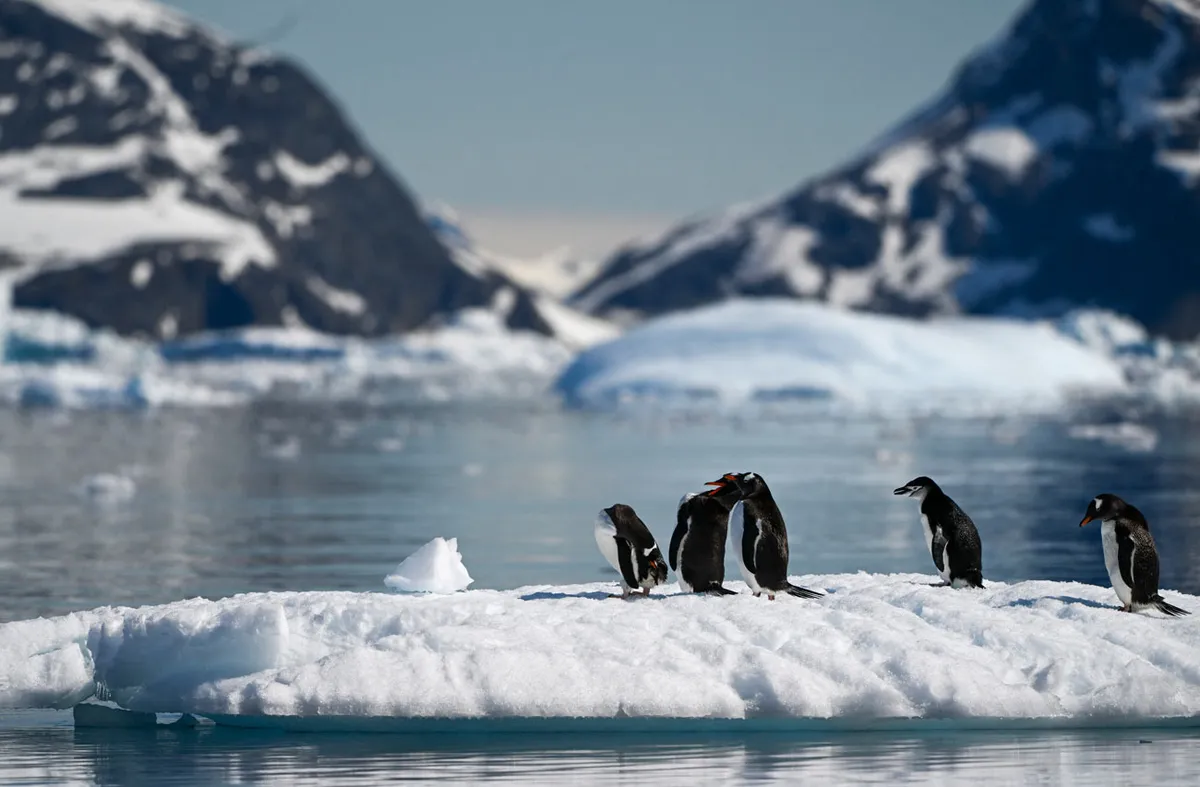
The latest scientific expedition confirmed cases in a dozen species, including Antarctic cormorant, Dominican gull, Adélie and Gentoo penguins, as well as the Antarctic fur seal. Although dozens of infected animals have been recorded, the actual number of deaths could be much higher due to exploration limitations in extreme conditions.
Risks to native fauna
The H5N1 virus is highly pathogenic: it can kill 90-100% of birds in just one or two days. This poses a critical threat to species with reduced populations, such as the Antarctic cormorant or skuas, which have only about 20,000 individuals.
Neira warns that if the virus strengthens, any species could become endangered, given that Antarctic fauna is scarce worldwide and highly vulnerable.
Global context
The spread in Antarctica adds to a global wave of avian influenza that, since 2021, has affected millions of birds and mammals in America, Asia, and Europe. In Chile, for example, avian flu killed about 1,300 Humboldt penguins in 2023, nearly 10% of the national population.
The virus has also begun to spread to mammals such as sea lions, cows, and fur farm animals, increasing exposure to humans.
Risks to human health
The H5N1 avian flu poses a high risk of zoonosis. Although transmission between people is not yet efficient, direct contact with infected birds or mammals can cause:
- Mild symptoms: conjunctivitis, respiratory conditions.
- Severe symptoms: pneumonia, sepsis, respiratory failure, seizures.
- High lethality: about 50% of confirmed human cases have been fatal, according to the WHO.
The greatest danger is the possibility of mutation that allows efficient transmission between humans, which could trigger a global pandemic.
Avian flu forces the mass culling of farm birds, raising the price of foods like eggs and meat, and compromising food security.
Recommended safety measures
- Avoid contact with sick or dead wild birds or mammals.
- Properly cook poultry products (eggs and meat) to eliminate the virus.
- Maintain epidemiological surveillance in risk areas.
The spread of avian flu in Antarctica is a global alert: it threatens species with reduced populations and poses public health risks. The situation demands strengthening international scientific cooperation and implementing preventive measures to protect both wildlife and humans.

