



The fight against plastic waste takes a step forward with an innovative mechanical recycling method that breaks down PET without heat or toxic chemicals. This material, found in bottles, packaging, and textiles, is one of the most used on the planet and also one of the most difficult to recycle without degrading its quality.
The new process, developed at the Georgia Institute of Technology (USA), uses collisions between metal balls and plastic fragments to trigger chemical reactions that break their molecular bonds. Everything happens at room temperature and without generating polluting emissions.
The secret lies in mechanochemistry, a technique that harnesses the energy of impacts to transform materials. By dispensing with ovens, solvents, and large energy consumption, it offers a sustainable alternative for the massive treatment of plastic waste.
This advancement opens the door to a cleaner, more efficient, and adaptable recycling model, capable of recovering the original components of PET and reducing pollution generated by its accumulation in landfills and oceans.
Mechanical energy for waste-free recycling
In the trials, researchers found that controlled impacts generate localized pressure and heat zones that fragment the PET structure. This process not only breaks it down but also facilitates its transformation into reusable materials with the same quality as the original.
Unlike traditional recycling, which degrades plastic and limits its reuse, mechanochemistry could maintain the material cycle indefinitely. Additionally, its low energy consumption would allow it to be applied in modular and decentralized plants, an ideal option for regions without heavy industrial infrastructure.
The environmental impact of this innovation would be notable: fewer emissions, lower energy expenditure, and a significant reduction in plastic waste. It would also avoid the chemical pollutants released in conventional methods, benefiting both ecosystems and human health.
In the global context, this advancement aligns with the goals of the European Green Deal and new international policies seeking to increase real recycling rates and reduce the use of non-renewable materials.

The keys to PET plastic and its environmental challenge
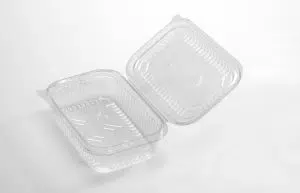
The polyethylene terephthalate (PET) is a thermoplastic polymer derived from petroleum, valued for its lightness, strength, and transparency. It is used in beverage containers, food trays, textiles, and industrial components. Its versatility has made it one of the most produced materials in the world.
However, its durability is also its biggest problem. PET can take more than 400 years to degrade in the environment, releasing microplastics and chemicals that pollute soils, rivers, and oceans. Currently, only a minimal fraction of the total produced is recycled, and much ends up incinerated or accumulated in landfills.
Traditional PET recycling requires high temperatures or hazardous solvents, generating emissions and limiting the quality of the recovered material. Therefore, the new method based on mechanical energy represents a paradigm shift: a clean, circular, and lossless recycling.
With this technology, PET could become a truly sustainable material, capable of being processed over and over without harming the planet. In a world saturated with plastic, this advancement could mark the beginning of a new era in waste management: one in which science and ecology work in unison to close the consumption cycle.



