



The Kilauea volcano, located in the Hawaiian archipelago, reached a new record of eruptive activity by recording 48 episodes since the start of its current cycle, which began on December 23, 2024. The phenomenon occurs in the Halemaʻumaʻu crater, located at the summit of the volcano, and has sparked the interest of the scientific community due to its unusual behavior.
Unlike other continuous eruptions, Kilauea exhibits an intermittent dynamic. During certain periods, it expels large amounts of lava and then enters calm phases that can last from a few hours to several weeks.
Moreover, this repetitive pattern allowed it to surpass the historic mark of 47 episodes recorded during the famous Puʻuʻōʻō eruption in the 1980s, an event that had remained a reference for decades.

An exceptional geological phenomenon
Episode number 48 began on June 1 and was recorded as the event that broke the historical record. During this phase, the lava fountains reached nearly 200 meters in height above the Halemaʻumaʻu crater.
However, specialists highlight that some previous pulses were even more spectacular. Records from the Hawaiian Volcano Observatory show that during episode 43, the lava rose to approximately 540 meters, an unprecedented height for the modern eruptions of Kilauea.
On the other hand, the speed with which this record was reached is also striking. While the Puʻuʻōʻō needed about three and a half years to complete 47 episodes, the current activity managed to surpass that figure in just a year and a half.
A natural laboratory for understanding Earth’s dynamics
The prolonged activity of the volcano provides a unique opportunity to study Earth’s internal processes. Each episode provides valuable information about magma movement, gas pressure, and the mechanisms that control eruptions.
Additionally, the collected data allows for the improvement of monitoring and early warning systems, which are essential for reducing risks in communities near active volcanic zones.
Meanwhile, researchers continue to observe the evolution of the phenomenon to determine how much longer this eruptive sequence might last and what its next behaviors will be.
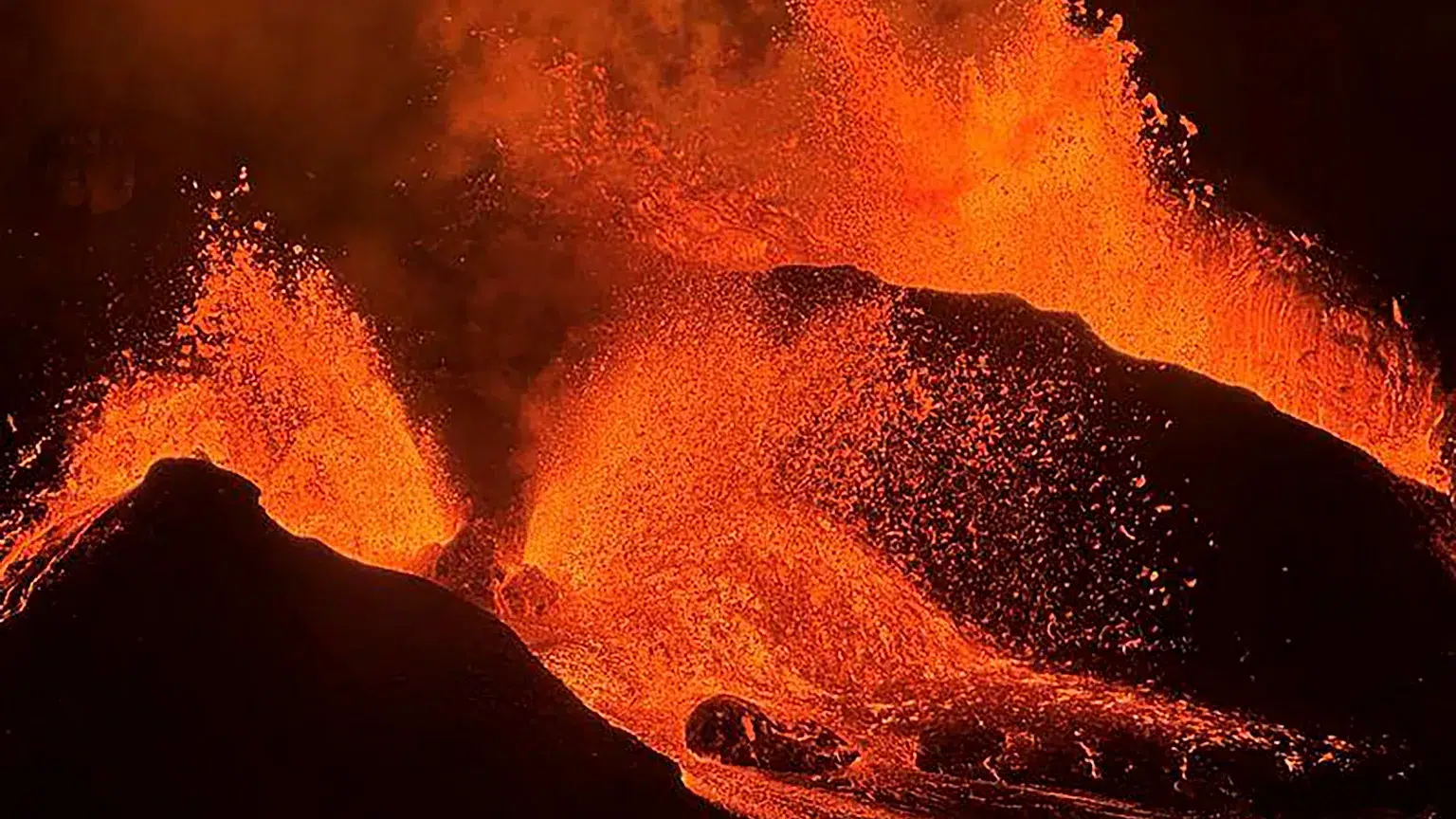
Kilauea: one of the most active volcanoes in the world
Kilauea is part of the Hawai’i Volcanoes National Park and is considered one of the most active volcanoes on the planet. It is located on the Big Island of Hawaii and is a key element in the continuous formation of the archipelago.
For centuries, its eruptions have shaped landscapes, created new terrains, and generated habitats that are later colonized by plant and animal species adapted to extreme conditions.
Additionally, the volcano holds deep cultural importance for Hawaiian communities, which have historically linked it with ancestral traditions and knowledge related to nature and geological forces.
The ecological value of volcanic ecosystems
Although eruptions can cause immediate alterations to the environment, they also play a fundamental role in long-term ecological processes. The solidified lava generates new substrates that, over time, transform into fertile soils.
Subsequently, microorganisms, lichens, and pioneer plants begin to colonize these spaces, giving rise to completely new ecosystems. This process promotes biological diversity and contributes to the natural renewal of the landscape.
Consequently, the current eruptive cycle of Kilauea not only represents an extraordinary geological event but also an opportunity to understand how volcanic activity participates in the construction and regeneration of natural environments on a planetary scale.



