



A study conducted by the Autonomous University of Barcelona (UAB) detected the presence of microplastics in tea bags. They were found in commercial ones made with polymers.
Apparently, these “release” millions of microplastics and nanoplastics in each infusion.
The danger of these particles, a consequence of plastic pollution on the planet, is that they have the ability to penetrate human intestinal cells.
It has been proven that they reach the blood and other tissues, raising questions about their impact on health.
### Microplastics in Tea Bags: New Alert
The Mutagenesis Group of the Department of Genetics and Microbiology at the UAB analyzed the polymers used in commercial tea bags and detected that they release plastic particles when they come into contact with hot water.
 *Los detalles del estudio. (Photo: Pixabay).*
The evaluated materials were nylon-6, polypropylene, and cellulose, common in the infusions available in the market.
According to the study, polypropylene is the major emitter, releasing around 1200 million particles per milliliter, with an average size of 136.7 nanometers. It is followed by cellulose, with 135 million particles of 244 nanometers.
Finally, nylon-6, which releases 8.18 million particles per milliliter, with an average size of 138.4 nanometers.
### Impact on Human Intestines
The study shows “for the first time” the ability of these particles to internalize human intestinal cells. Thus, they can reach the blood and spread throughout the body, as reported by the university in a statement last week.
The most concerning finding is that these particles not only remain in the intestinal tract but can penetrate human mucus-producing cells.
According to the results, these cells show the highest absorption of microplastics, and the particles even managed to penetrate the nucleus that houses the genetic material.
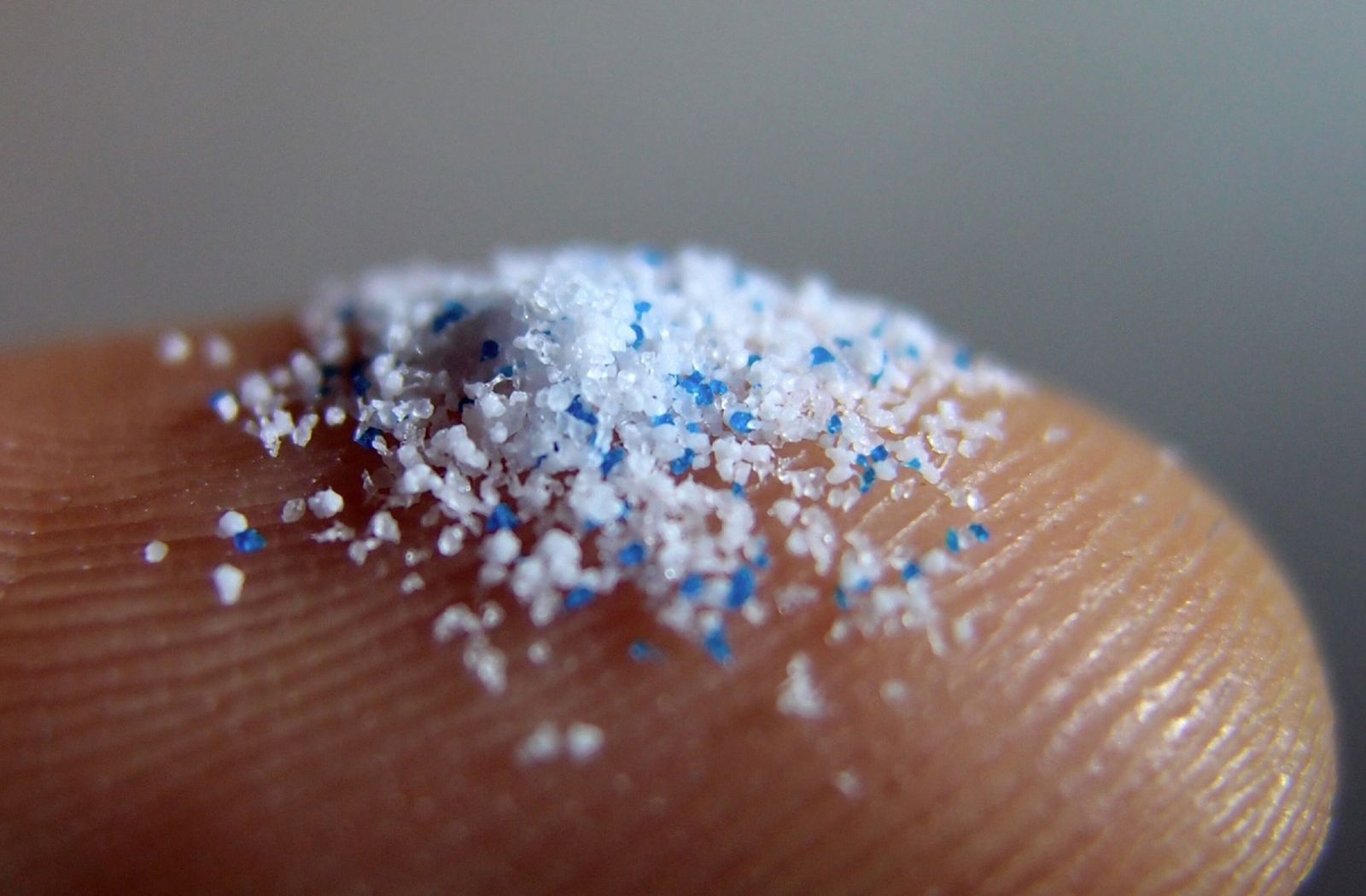 *Los microplásticos.*
The study, developed within the European project PlasticHeal, highlights the need to study the long-term effects of chronic exposure to microplastics on health.
Although the results are not definitive, researchers warn that these particles could spread throughout the body through the bloodstream.
**[¿Ya conoces nuestro canal de YouTube? ¡Suscríbete!](https://www.youtube.com/channel/UCrYLIWysAyv4m833zGAQ02g)**



