



The increase in temperatures and human activity in the North Atlantic have caused abrupt changes in marine ecosystems. Whales, as major predators and regulators of the ocean, are forced to modify their habits to survive in an increasingly uncertain environment.
A study published in Frontiers in Marine Science analyzed 28 years of data in the Gulf of St. Lawrence (GSL), a key seasonal feeding area. The results show how three species of rorquals —fin, humpback, and minke— have learned to share resources and adjust their diets to reduce competition.
Sharing to Survive
Researchers observed an increase in resource partitioning, an ecological strategy that involves dividing food and habitat space. In simple terms, whales are becoming skilled in the art of sharing.
- More than 1,000 skin samples were collected to analyze diet and position in the trophic chain.
- The studied periods (1992-2000, 2001-2010, and 2011-2019) reflect environmental changes such as ice melt and rising temperatures.
The results show that whales have shifted their diet towards fish, due to the possible decline of Arctic krill.
Dietary Changes
- Fin whales: in the 90s, they primarily fed on krill, but in the 2000s they incorporated capelin, herring, and mackerel, and in the 2010s they added sand lance and northern krill.
- Minke whales: consumed pelagic fish, although in later phases they increased krill intake.
- Humpback whales: maintained a diet centered on capelin, herring, and mackerel throughout the period.
These changes reflect an ecological flexibility that allows them to adapt to prey availability in a changing ocean.
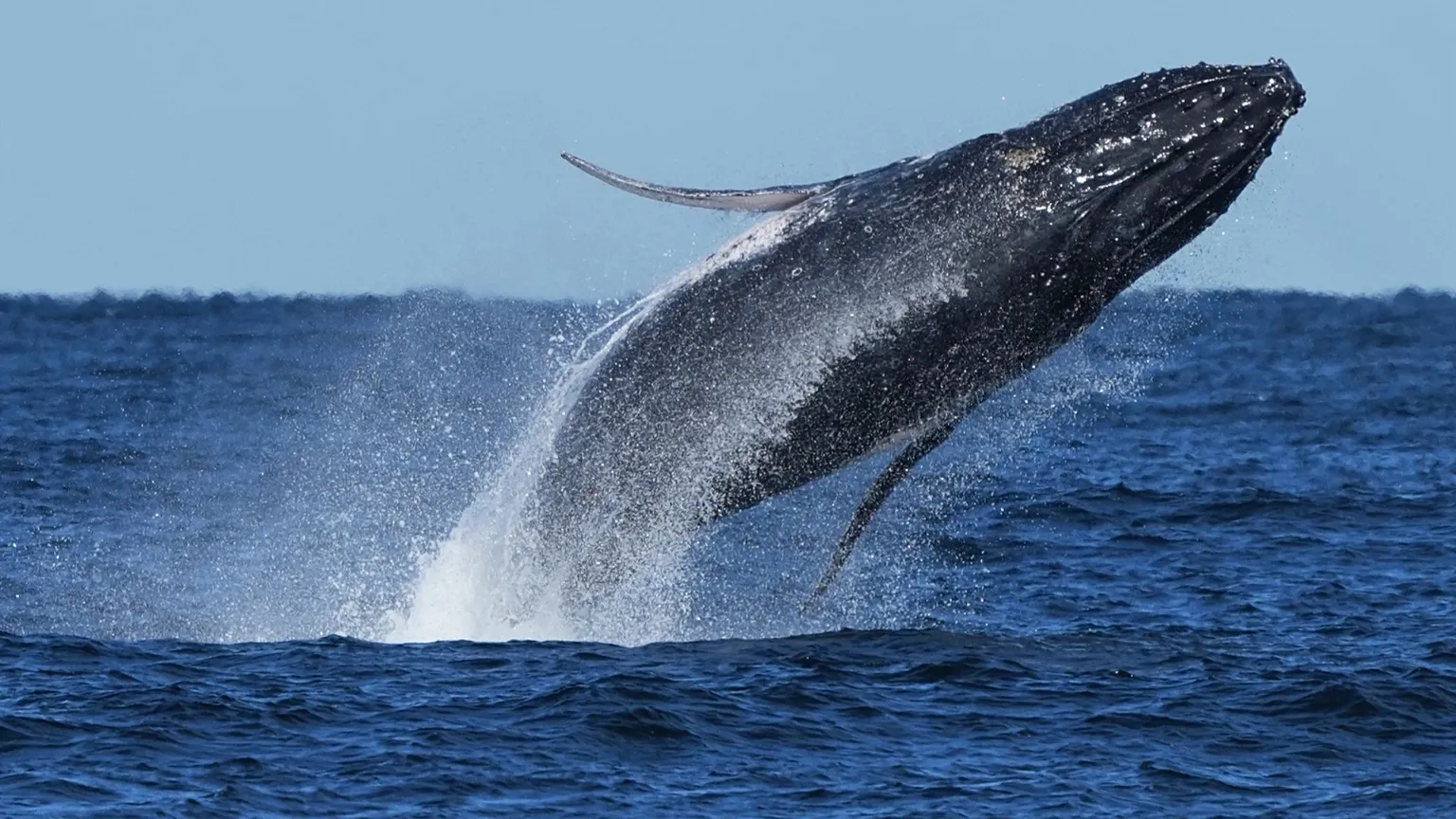
Bubble Tricks: Cooperation and Animal Culture
Adaptation is not limited to diet. Research from the University of St Andrews revealed that the bubble-net feeding technique has been key to the recovery of humpback whales in the northeastern Pacific.
- It involves several whales creating clouds of bubbles to concentrate schools of fish and swallow them at once.
- This behavior is an example of shared knowledge, culturally transmitted among individuals.
“Bubble-net feeding is not just a feeding trick, it is a form of shared knowledge that reinforces the resilience of the entire population,” explained Dr. Éadin O’Mahony.
Animal Culture and Marine Management
Researchers emphasize the need to integrate animal culture into ocean management, as human impacts on marine ecosystems intensify. Recognizing that whales learn, transmit, and refine collective strategies is essential for designing more effective conservation policies.
North Atlantic whales show a remarkable ability to adapt to climate change: they modify their diets, share resources, and develop cooperative techniques like the bubble net.
These behaviors not only reflect biological resilience but also animal culture, a key aspect to understanding and protecting marine life on a transforming planet.


