



An international group of researchers detected for the first time the progressive fracturing process of the Juan de Fuca tectonic plate, located off the northwest of the Pacific Ocean. The discovery was made in the Cascadia region, between northern California and southern British Columbia.
The research focused especially off the Vancouver Island, where scientists observed that the subduction of the plate does not occur uniformly. Instead, the tectonic system presents sequential ruptures that slowly transform the structure of the ocean floor.
Additionally, the study revealed that some areas have already stopped registering seismic activity due to the complete separation between tectonic blocks. This situation allowed the identification of the emergence of small microplates in sectors where a continuous structure once existed.
On the other hand, specialists believe that the phenomenon could modify the geological dynamics of one of the most sensitive seismic zones on the planet, where the risk of major earthquakes and tsunamis persists.
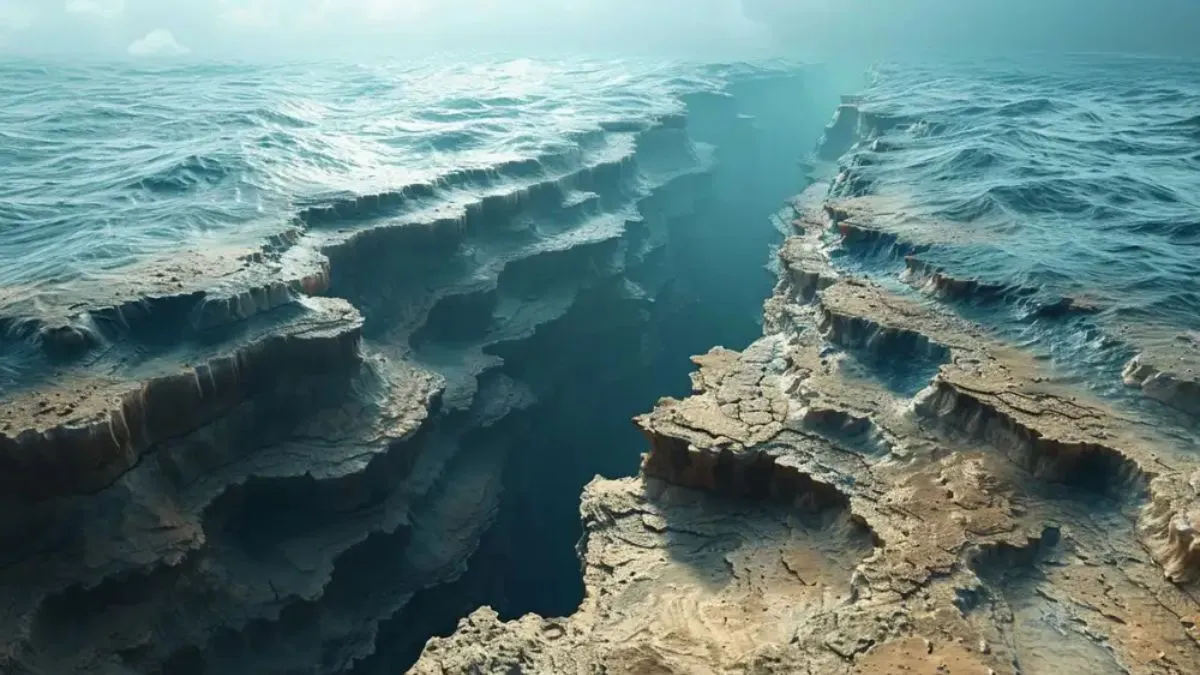
Submarine technology allowed the observation of deep fractures
To analyze the behavior of the Juan de Fuca plate, the scientific team used sound waves emitted from vessels and underwater sensors capable of mapping the ocean floor with great precision.
Thanks to this technology, the researchers identified vertical fractures that reach up to five kilometers deep under the Pacific Ocean. They also detected inactive sectors where the rocks no longer generate friction or seismic activity.
The analysis also allowed the correlation of these current processes with ancient tectonic events that occurred millions of years ago in regions like Baja California. Until now, there were no direct visual records showing how these oceanic microplates are born and evolve.
Additionally, scientists observed that the fractures open spaces in the earth’s crust through which hot material from the mantle ascends. As a result, episodes of temporary volcanism and changes in the regional tectonic boundaries could occur.
What would be the impact of this opening on Canada’s environmental quality
The progressive fragmentation of the Juan de Fuca plate could generate significant environmental consequences on coastal sectors of Canada, especially in British Columbia and areas near Vancouver Island.
One of the main risks is related to the possibility of large magnitude earthquakes and tsunamis in the Cascadia region. These events could affect marine ecosystems, coastal forests, wetlands, and urban communities settled on the Canadian Pacific coast.
Furthermore, potential intense tectonic movements could cause alterations in water quality, coastal erosion, and damage to protected areas and sensitive habitats. Port and energy infrastructures would also be exposed to significant environmental impacts.
On the other hand, the increase in underwater volcanic activity could modify local oceanic dynamics and release gases and minerals into the marine environment. Although these processes are part of the natural evolution of the planet, scientists consider it essential to strengthen monitoring and prevention systems.
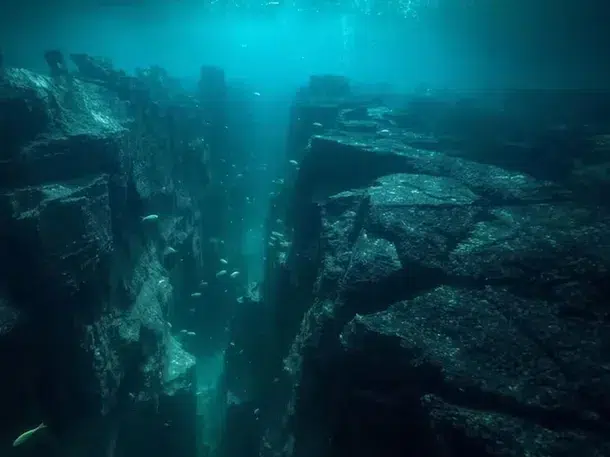
Cascadia, one of the most dangerous seismic zones on the planet
The Cascadia region is considered one of the most complex tectonic sectors in the world due to the collision between oceanic and continental plates. Historically, the area has recorded earthquakes and tsunamis capable of altering extensive coastal areas.
Currently, researchers are trying to determine how the fragmentation of the plate will influence future seismic events. The main objective is to understand if the new microplates will alter the accumulation and release of tectonic energy.
While studies continue off the Vancouver Island, specialists warn that permanent monitoring is key to anticipating risks and protecting both human populations and the coastal ecosystems of North America’s Pacific.



