



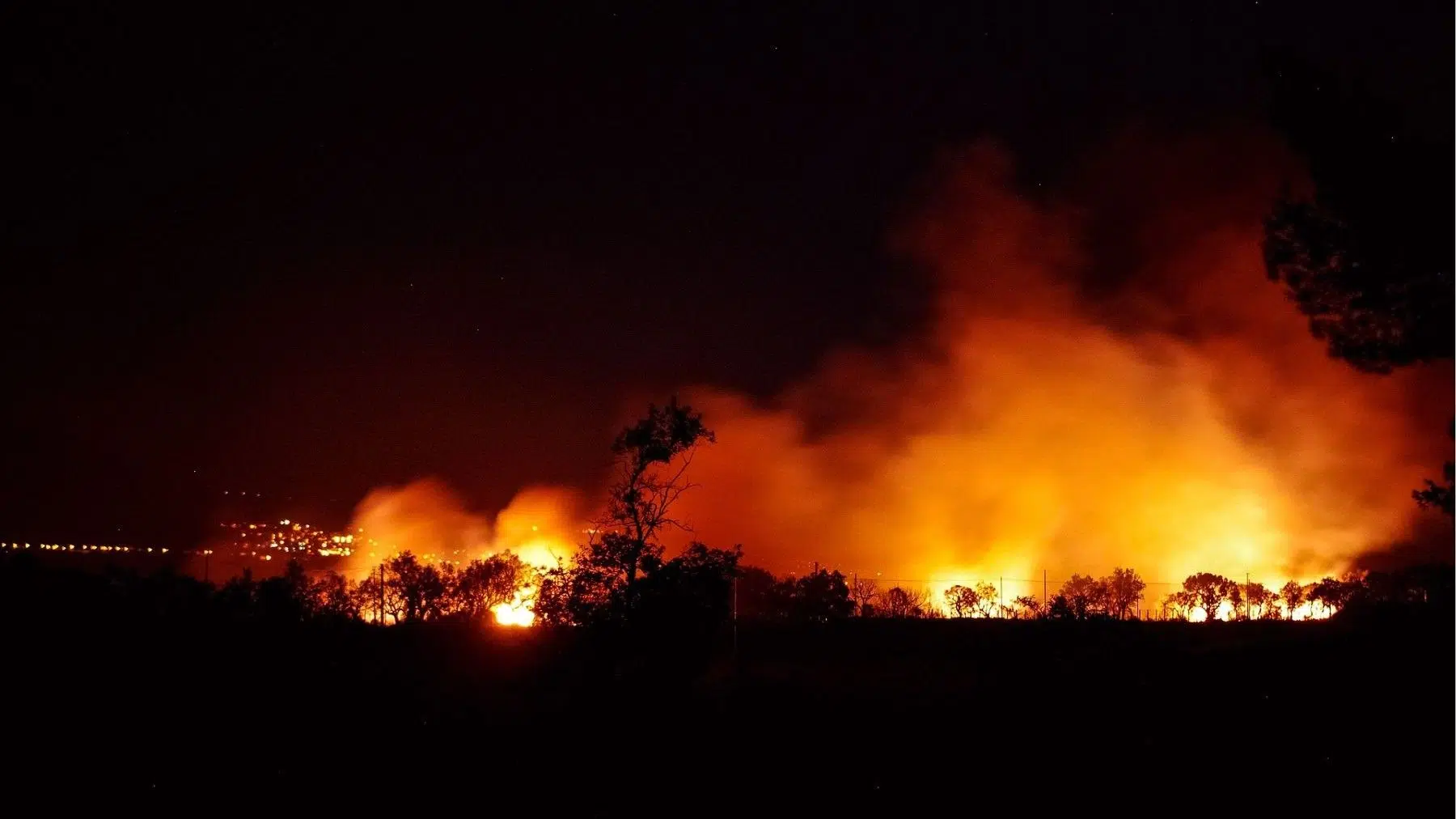
Según la científica Friederike Otto, del Imperial College de Londres, en los primeros meses de 2026 se han quemado más de 150 millones de hectáreas en todo el mundo, un 50% más que el promedio reciente y el doble que en 2024. Este año podría convertirse en uno de los más severos en materia de incendios forestales, agravados por el fenómeno El Niño y el cambio climático.
Influence of Climate Change
According to the Mongabay portal, Otto warns that in almost all the extreme events analyzed, there is a greater influence of anthropogenic climate change, which increases the probability and intensity of droughts, heatwaves, and megafires.
Most Affected Regions
Scientists indicate that El Niño could increase the risk of severe fires and droughts in:
- Australia (New South Wales and Victoria).
- Northwest United States and Canada.
- Amazon, where historical fires were already recorded between 2023 and 2024.
In Argentina and Chile, recent fires burned about 10 hectares per minute, fueled by extreme heat and drought. In Africa, 85 million hectares burned, surpassing previous records, while in Asia more than 44 million hectares were reported, compared to 32 million in 2014.
Concerning Global Data
- 2026 could be the second warmest year in history, possibly the hottest.
- Ocean temperatures reach record levels, surpassing 2024 records.
- The Arctic ice marked a historic low for the second consecutive year.
Health and Society at Risk
The smoke from forest fires not only destroys ecosystems but also severely affects human health:
- Between 1984 and 2013, smoke exposure caused an average of 339,000 annual deaths.
- Health systems face more hospital admissions due to respiratory problems.
- In the Amazon, fires affected 30 million people in Brazil, Peru, Colombia, Venezuela, Ecuador, and Bolivia, causing community isolation and biodiversity loss.
Precautionary Principle
The World Meteorological Organization (WMO) warns that the planet is in an unprecedented state of imbalance. Experts insist on applying the precautionary principle: not waiting for absolute scientific certainty to act in the face of serious or irreversible risks.
2026 is shaping up to be a critical year for forest fires and extreme phenomena. The combination of El Niño and climate change intensifies the threats, endangering ecosystems, communities, and global health. Scientific evidence reinforces the urgency of reducing greenhouse gas emissions and strengthening prevention and adaptation policies.


