



Science once again puts plant-based foods at the center stage. Recent research from the University of Buenos Aires and CONICET revealed that soy protein is not only a high-value nutritional supplement, but also promotes the intestinal absorption of healthy fats, like oleic acid found in olive oil. This finding reinforces the importance of adopting more balanced and sustainable diets.
The study showed that, unlike harmful fats such as LDL cholesterol and triglycerides, omega-3, omega-6, and omega-9 fatty acids play protective roles in the body. These beneficial fats are involved in regulating blood pressure, cardiovascular health, and reducing inflammatory processes.
Oleic acid, the main component of olive oil, plays a key role in this equation. Its efficient absorption in the body is essential to enhance its positive effects. This is where soy protein comes into play, unexpectedly improving the bioavailability of this fatty acid.
The research confirmed that peptides derived from the digestion of soy protein can even partially replace the action of bile salts, which are essential for fat absorption. This opens up opportunities for developing functional foods for individuals with difficulties in lipid digestion.
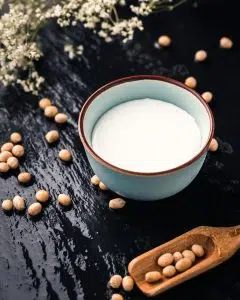
One food, many benefits
The benefits of soy protein go beyond absorbing healthy fats. It also helps improve intestinal transit due to its fiber content and contributes to balancing cholesterol by reducing harmful fractions in the blood. All of this makes it a natural ally against cardiovascular diseases.
Moreover, using soy as a base for functional foods drives innovation in the food industry. Researchers anticipate that in the future, specific products combining olive oil and soy protein will be developed to optimize the absorption of oleic acid.
This advancement also conveys a clear message in terms of ecology: shifting the diet towards plant-based protein sources helps reduce greenhouse gas emissions derived from animal production. Thus, choosing soy protein benefits not only the body but also the planet.
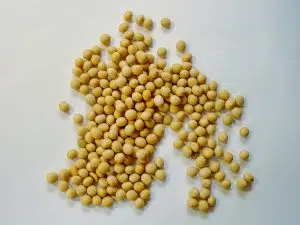
How to make the most of soy protein and incorporate it into your diet
Soy protein is a versatile resource that can be added to daily nutrition in multiple ways. One of the most common forms is through soy isolates, found in protein shakes and supplements. These products concentrate the protein and allow complementing diets low in animal proteins.
Another simple option is to use soy flour or textured soy in homemade preparations. It can be incorporated into bread, cookies, veggie burgers, or as a filling in stews and sauces. This way, the food is enriched with quality proteins and reduces the use of processed meats, further lowering the environmental impact associated with intensive livestock farming.
Soy beverages, widely available in the market, are also an alternative to add plant-based proteins to breakfast or snacks. Their frequent consumption helps maintain a good lipid profile and provides an option for those seeking lactose-free choices.
Beyond its nutritional contribution, soy is a strategic crop in terms of sustainability. Its low cost and global availability make it a key tool in addressing current food challenges. Adopting a diet with a higher presence of plant proteins not only benefits health but also reduces the environmental pressure on ecosystems.


