



An international study discovered genetic adaptations in orcas and gorillas that reveal key evolutionary secrets for species conservation.
They explain how these animals face environmental threats. The finding could help strengthen conservation strategies.
Scientists from around the world managed to decipher key aspects of the DNA of orcas and gorillas, revealing how these species managed to adapt and survive over time.
Species conservation secrets in the DNA of orcas and gorillas
The work, published by the consortium Zoonomia, analyzed the genomes of hundreds of mammals, including great apes and cetaceans.
The goal was to better understand the evolutionary mechanisms that allow certain species to resist adverse conditions.
 What the study says about orcas and gorillas.
This discovery represents a crucial advance in evolutionary biology and conservation, as it provides valuable information on how some species manage to survive extreme changes in climate, in ecosystems, and even human pressures such as hunting or habitat loss.
Unique genetic adaptations
The study reveals that both orcas (Orcinus orca) and gorillas (Gorilla spp.) share a series of genetic adaptations linked to immune function, metabolism regulation, and cognitive capacity.
These characteristics would have been fundamental for their survival and adaptation to different environments. This ranges from the cold waters of the Arctic to the tropical forests of central Africa.
In the case of orcas, genes related to sound perception, navigation, and physical resistance were observed, key factors for a species that depends on echolocation and collaborative hunting.
In gorillas, on the other hand, genetic variations associated with neurological development and longevity were detected, which could explain their complex social structure and their ability to face diseases.
Implications for the conservation of threatened species
One of the objectives of the study is to apply this knowledge to improve strategies for conserving endangered species.
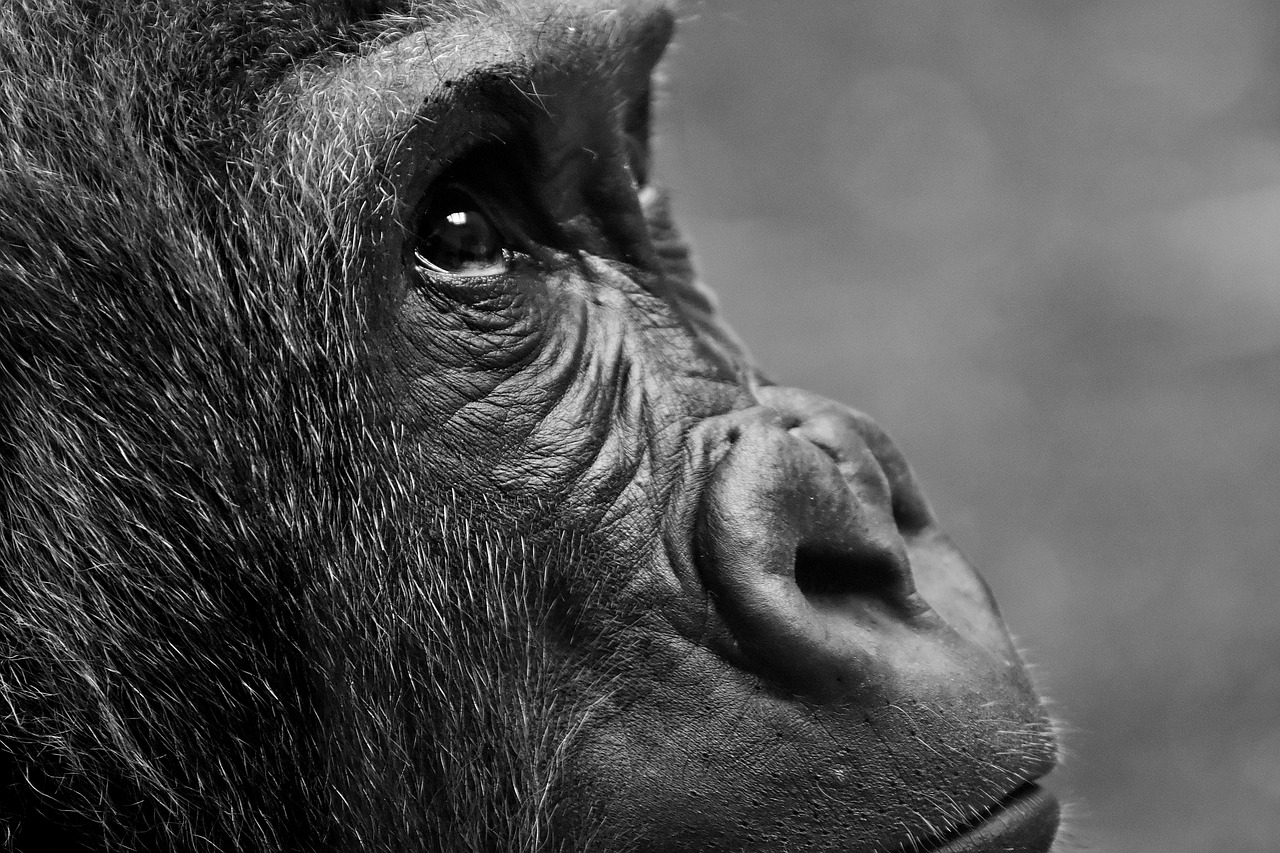 Key secrets for survival.
“Knowing the genetic basis of resilience can help us better protect the animals most vulnerable to environmental change,” the authors explained.
The researchers emphasize that this type of genomic study allows the detection of more resistant populations, identifying risk factors and, eventually, designing more personalized and effective conservation plans. Both in natural reserves and in captive breeding programs.
The Zoonomia project aims to build an unprecedented genomic database, comparing the DNA of over 240 mammal species.
This information not only contributes to evolutionary knowledge, but also has potential medical applications. Some of the adaptations found in animals could be transferred to the study of human diseases.
The results reaffirm the importance of protecting biodiversity from a comprehensive perspective, recognizing the genetic, ecological, and scientific value of each species.



