



The United States Department of Agriculture (USDA) has launched an ambitious operation to breed and release billions of sterile flies over southern Texas and northern Mexico. The goal is to eradicate the livestock screw-worm fly (Cochliomyia hominivorax), one of the most destructive pests for livestock production on the continent.
The strategy involves the aerial release of sterile males, which when mating with wild females prevent effective reproduction. This causes a progressive decline in the population of carnivorous larvae, capable of killing a 1,000-pound animal in just two weeks.
A method with history and solid scientific foundations
This biological approach — considered safer than chemical pesticides — was successfully used to eliminate the pest in the United States and Panama during the 20th century, and is now being reintroduced after the reappearance of outbreaks in southern Mexico late last year.
“The method represents a scientific transformation put into practical action,” highlighted entomologist Edwin Burgess from the University of Florida, who described it as one of USDA’s greatest achievements in animal health.
Strategic investment and infrastructure reinforcement
The plan includes:
- Establishing a new sterile fly production plant in southern Mexico by July 2026
- A distribution center in Texas, to import flies from the plant in Panama, which currently produces 117 million per week, with the aim to increase that number to 400 million
USD 21 million will be invested in converting an old fruit fly plant in Mexico, and another USD 8.5 million for the Texan hub.
Biology and challenges of a lethal pest
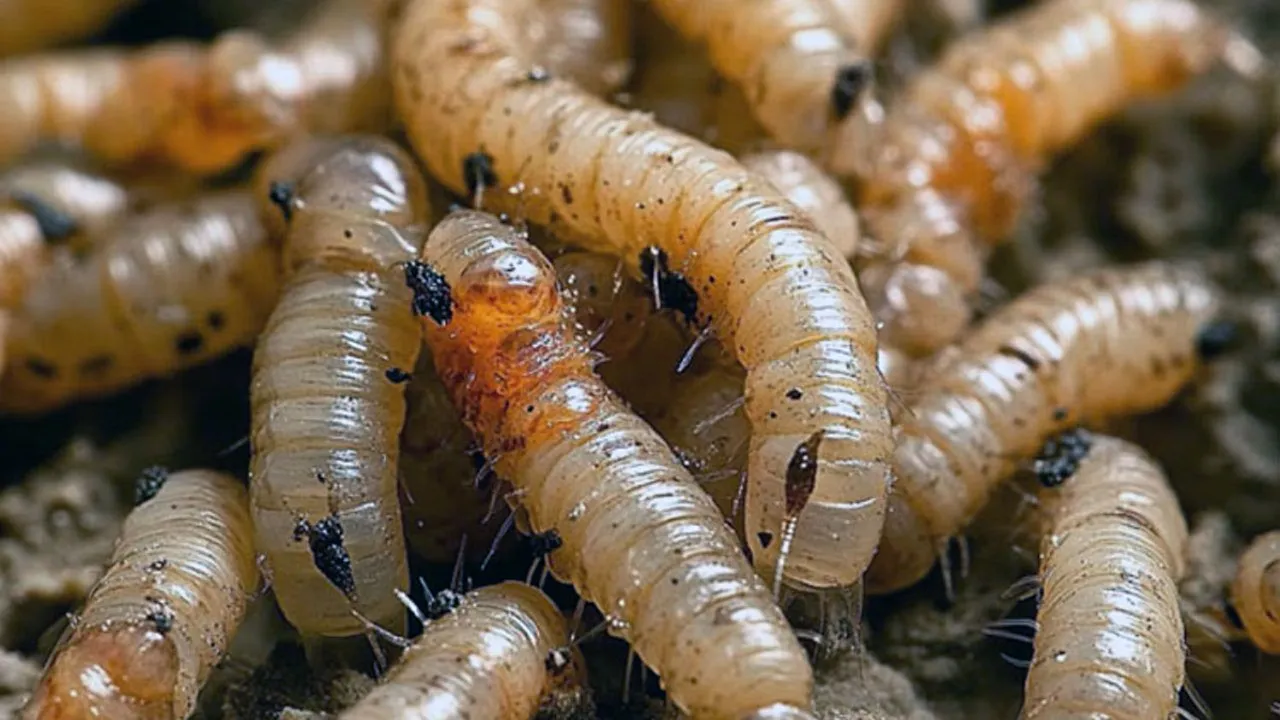
The screw-worm fly is a type of unique carnivorous larvae, as they infest living tissue in animals and humans. Females lay eggs in wounds or mucous membranes, and the larvae devour the flesh from the inside. “A bull can die in just 14 days,” warned Michael Bailey, a candidate to lead the American Veterinary Medical Association.
Controlled production: keys to success
Breeding flies on an industrial scale involves sophisticated biosecurity and larval nutrition conditions. According to Cassie Aldis, an entomologist from Kansas State University, the current food at the Panama plant contains an optimized mixture of powdered egg, red blood cells, and bovine plasma.
The insects must be raised in sterile materials like sawdust, since in nature, the larvae burrow underground to complete their metamorphosis.
Dr. Sonja Swiger from Texas A&M University emphasized that “operational safety is critical: any escape of fertile flies could reverse the progress made”.
Aerial release and logistical risks
The release technique involves small aircraft equipped with dispensers that drop boxes of flies in strategic areas. Last month, an accident during an aerial operation on the Mexico-Guatemala border left three fatalities, highlighting the inherent risks of logistical deployment.
Nevertheless, USDA considers the technique as one of its most successful models of applied biological control, with proven track records of eradication in vast regions.
Cover photo: AP



