



Arsenic has no smell, color, or taste. However, it can remain for decades in the groundwater consumed by thousands of families without generating immediate signs, while causing progressive damage to human health and ecosystems.
In Argentina, where numerous provinces depend on water extracted from underground aquifers, contamination by this element represents a growing environmental concern. From Salta and Jujuy to La Pampa, different regions record variable concentrations of the contaminant in domestic use wells.
Additionally, researchers estimate that at least five million people could potentially be exposed. In most cases, the origin of the arsenic is not related to industrial activities but to natural geological formations that release the mineral into the groundwater.
A portable biosensor aims to facilitate community monitoring
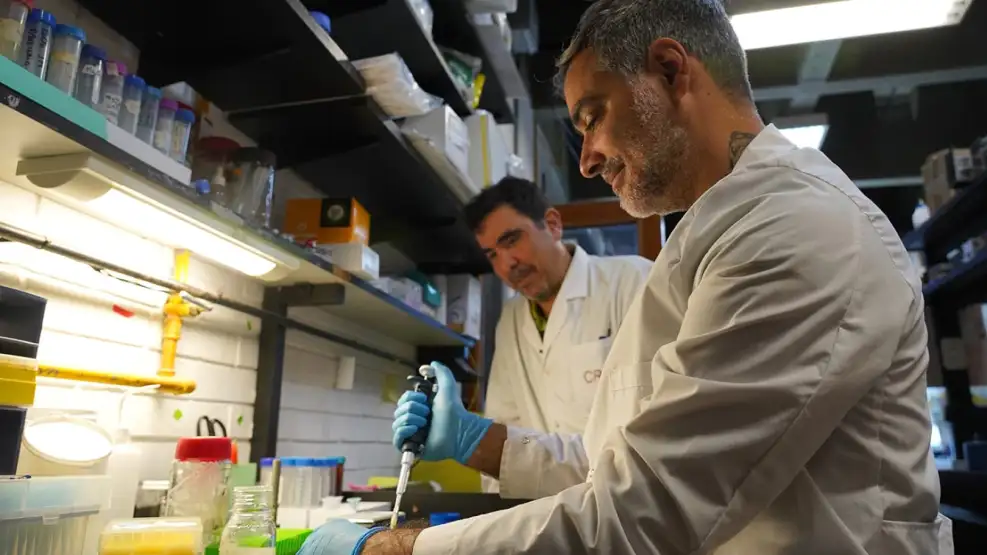
In response to this scenario, scientists from the Faculty of Exact Sciences at the University of Buenos Aires developed a portable and economical device capable of detecting arsenic in just eight hours. The project is led by researcher Alejandro Nadra and proposes an accessible alternative for small communities.
The system works through genetically modified bacteria that react to arsenic by generating an easily visible blue color. According to tests conducted, the method achieved a precision close to 99% compared to traditional chemical analyses.
Furthermore, the specialists publicly released the plans and assembly manual for the kit. This way, technical schools, cooperatives, and small laboratories could reproduce the tool with basic instruments and use it for local controls.
Currently, many rural municipalities face difficulties accessing specialized analyses due to high costs and the distance from urban laboratories. Consequently, the development aims to strengthen early warning systems in regions where controls are scarce or nonexistent.
The dangers of arsenic for health and the environment
Prolonged exposure to arsenic can cause HACRE, a disease known as Chronic Regional Endemic Hydroarsenicism. This poisoning appears after years of continuous consumption of contaminated water and is usually detected when the damage is already severe.
Among the main health consequences are skin lesions, cardiovascular alterations, and various types of cancer. Additionally, the effects can extend to the nervous system and generate metabolic and respiratory complications.
The World Health Organization recommends a maximum of 10 micrograms of arsenic per liter of drinking water. However, in some Argentine regions, higher values are still allowed due to structural difficulties in ensuring safe supply systems.
Environmentally, the contamination also compromises the quality of aquifers and associated ecosystems. Therefore, specialists consider it essential to strengthen public policies related to access to drinking water and the permanent monitoring of underground aquifers.

Córdoba bets on nanotechnology to detect water contamination
While the team from UBA advanced from synthetic biology, researchers from the National University of Córdoba developed another innovative system based on nanotechnology and electrochemistry.
The device uses gold nanoparticles and a biopolymer derived from chitin to generate electrical signals capable of identifying the exact concentration of arsenic present in a water sample.
Additionally, the sensor has a size similar to a USB drive and offers results comparable to high-end spectrometry equipment. Tests were conducted with samples from localities affected by high levels of contamination.
Although the development is still undergoing its patenting process, the technological advancement opens new possibilities to expand environmental control and facilitate access to monitoring tools in different regions of the country.



