



An innovative combination of satellite imagery and artificial intelligence (AI) is making a strong impact on environmental issues. They even help determine why forests are dying and where it is happening.
This technology is beginning to transform the way we understand the causes behind the loss of these ecosystems globally.
This technology provides crucial data to combat deforestation, mitigate climate change, and design effective forest conservation policies.
Why are the forests dying? The key collaboration of this cutting-edge technology
The project, led by researcher Cornelius Senf from the Technical University of Munich (Germany), uses millions of satellite images to observe changes in forest cover from 1986 to the present day.
Through the use of artificial intelligence models, the system can distinguish between natural events, such as storms, fires, or droughts, and human activities, such as indiscriminate logging or agricultural expansion.
 AI and its use to learn all about forests.
This automated and large-scale approach allows for a much faster and more precise analysis of which areas are losing forest cover and what factors are involved in that degradation.
AI and Climate Change: Revealing Invisible Patterns
Artificial intelligence applied to satellite monitoring reveals patterns that were previously difficult to identify. For example, it shows how certain forested regions suffer more due to climate stress, while others are under constant pressure from human activities.
This information is crucial to understand the vulnerability of different forest ecosystems to phenomena such as heatwaves, prolonged fires, and biodiversity loss.
“We know that forests are dying, but with this technology, we can now truly understand why,” explained Senf. Additionally, the tool provides a solid scientific basis for making more informed decisions in environmental policies.
Thanks to the use of this technology, environmental authorities and conservation organizations can act more effectively.
The data generated by AI not only allows the identification of priority areas for restoration, but also enables the application of early warnings to prevent ecological disasters.
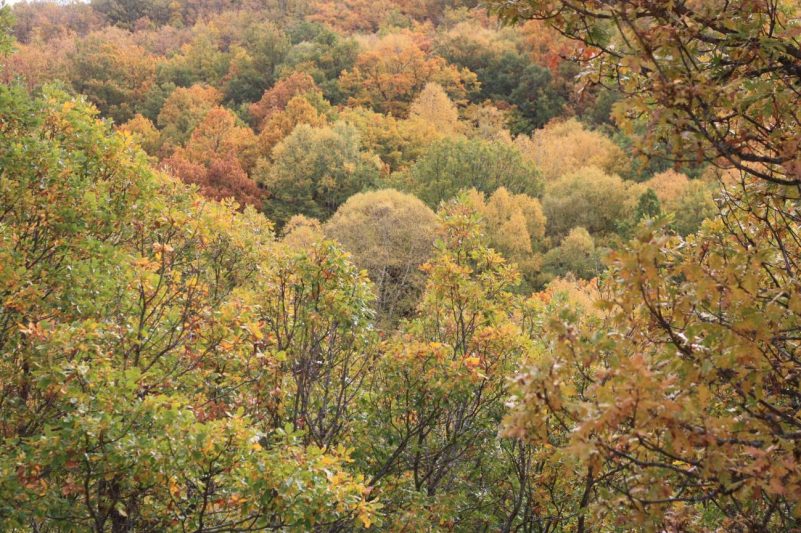 The research work of the Technical University of Munich.
In a global context where forest loss is advancing at an alarming rate, affecting both tropical rainforests and boreal forests, these technological solutions can make a difference in the fight against climate crisis and in the preservation of natural resources.


