



The National Center for Metallurgical Research (CENIM-CSIC) succeeded in extracting copper, silver, and platinum from electronic waste through a pioneering technology that places Spain at the forefront of metal recovery.
The first experimental casting was successfully carried out, demonstrating that it is possible to transform so-called “electronic waste” into strategic raw materials.
The challenge of electronic waste
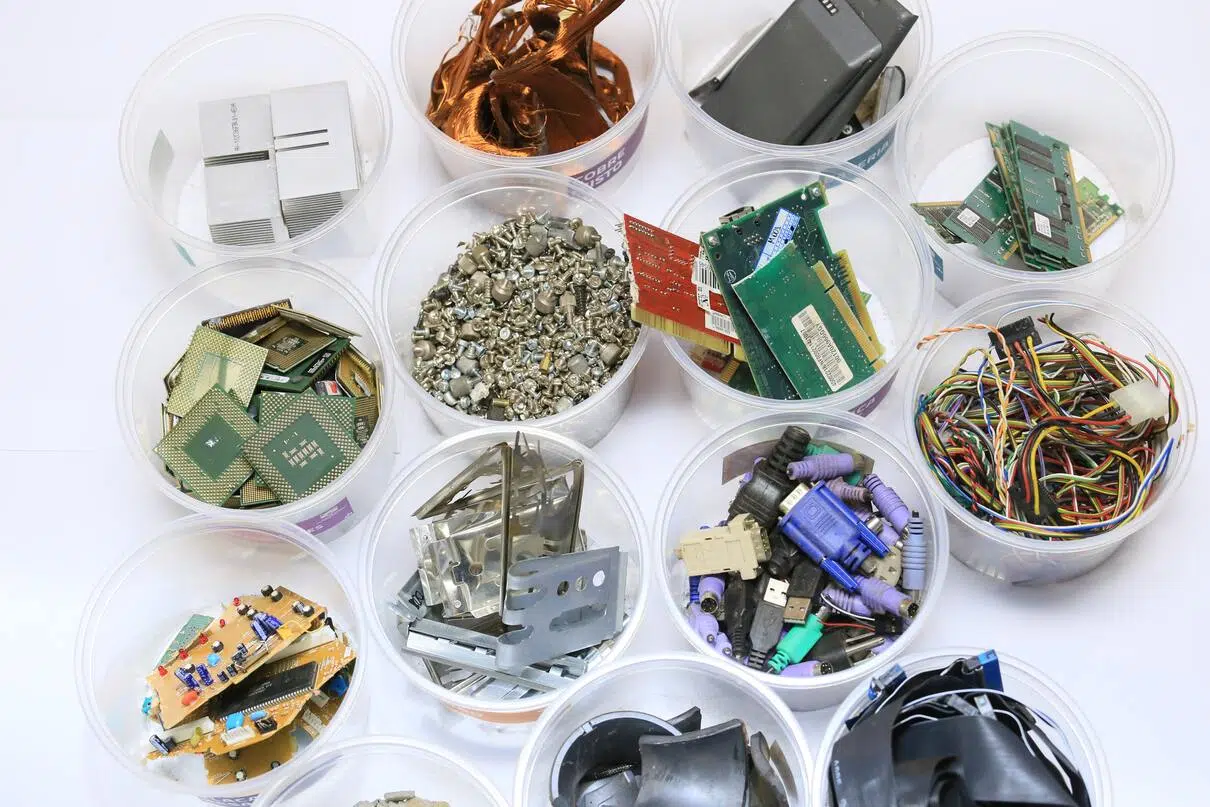
Europe generates millions of tons of WEEE each year: mobile phones, computers, appliances, and industrial equipment.
These devices contain precious and strategic metals, essential for the energy transition and digitalization. However, much of them are not recovered, resulting in economic losses and a significant environmental impact.
Fusion technology
The breakthrough was achieved thanks to a vertical submerged lance furnace, where the injection of fuel and oxygen allows the separation of metals from the molten slag:
- Copper and precious metals tend to sink to the bottom of the reactor.
- Non-metallic materials float on the surface as slag.
This natural separation by density facilitates the clean and efficient extraction of metals, with a direct impact on the industry.
Environmental impact and public health
Recycling electronic waste contributes to:
- Containment of toxins: prevents the release of lead, mercury, and cadmium.
- Protection of ecosystems: stops the leaching of chemicals into soils and aquifers.
- Food security: prevents contaminants from entering the food chain.
- Reduction of emissions: decreases the carbon footprint associated with incineration.
Circular economy and strategic resources
Electronic recycling is integrated into urban mining, recovering metals without resorting to virgin extraction. Its benefits include:
- Energy savings: processing recycled materials consumes less energy than extracting new minerals.
- Reuse of plastics: transformation into by-products like plastic wood.
- Sustainable supply: reincorporation of components like cables and motors into the supply chain.
Socioeconomic benefits
- Green jobs: creation of specialized positions in recycling plants.
- Labor inclusion: participation of urban cooperatives and people with disabilities.
- Cost reduction: cheaper manufacturing thanks to recovered local raw materials.
The development of CENIM-CSIC demonstrates that Europe can transform its electronic waste into a domestic source of critical metals, strengthening technological sovereignty and the circular economy. This advancement not only mitigates environmental impact but also opens industrial and social opportunities, positioning Spain as a leader in innovation for electronic waste management.



