



The global paradigm that combines economic success with the triple impact—positive economic, social, and environmental impact—is gaining ground in agriculture.
Leaders of B Corporations confirm that, due to market demand and risk management, more and more producers are implementing sustainable solutions.
The old dilemma between producing and conserving, between economic profitability and socio-environmental sustainability, is beginning to blur in Argentina’s most dynamic sector.
In a global context that demands responsibility and traceability, the Argentine countryside is not lagging behind and sees the growth of a business model that, until recently, seemed utopian: one that is profitable precisely because it is sustainable.

This transformation, which aligns with global trends, is being documented and promoted by key players in the sector. According to leaders of the B Corporation movement—companies that are statutorily committed to generating a positive impact—more and more agricultural producers are beginning to apply more sustainable solutions in their operations for various reasons.
This shift is no longer just a declaration of good intentions but is becoming a fundamental business strategy.
The drivers of change: Why now?
The rise of sustainability in agriculture is not due to a single factor, but to a confluence of pressures and opportunities.
Firstly, market demand has changed. Consumers, both in Argentina and in demanding export markets, no longer just buy a product, but also the story behind it.
They demand to know how it was produced, what impact it had on the ecosystem, and whether fair labor conditions were respected. Organic, regenerative, or fair trade certifications have gone from being a niche to being a passport to high-value markets.
Secondly, there is risk management. Producers are the first to experience the effects of the climate crisis: more intense droughts, unexpected floods, and soil degradation.
The triple impact, sustainability, in this context, is synonymous with resilience. Practices such as regenerative agriculture or no-till farming not only capture carbon but also improve soil structure, increase its water retention capacity, and reduce dependence on external (and costly) inputs like chemical fertilizers.
Finally, there is a financing factor. Globally, there is a rise in so-called “green bonds” or soft credit lines specifically aimed at projects that demonstrate a triple impact with a positive environmental impact, opening a new door of capital for those who decide to make the transition.
Technological contribution in Sustainable Agriculture by Sistema B
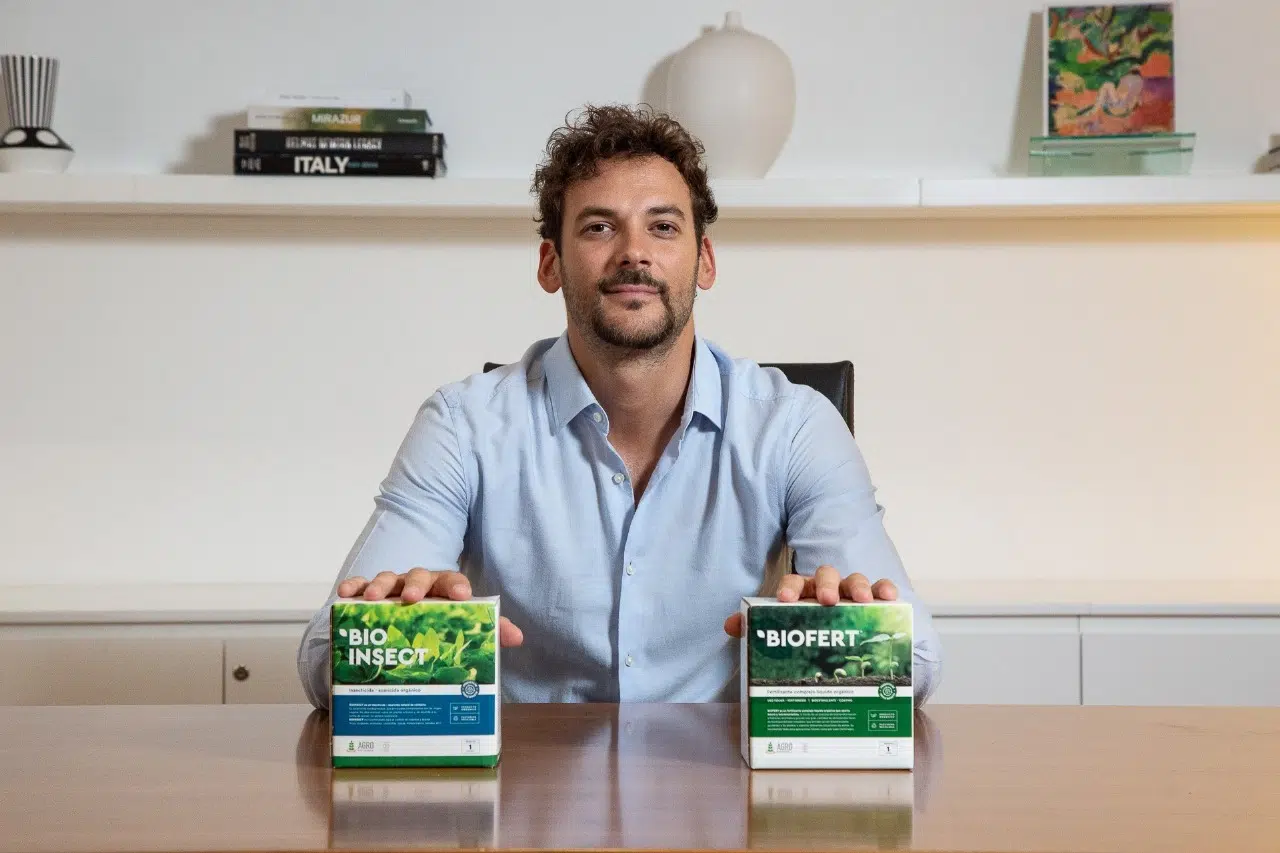
“Technology is at the heart of our work model that allows us to transform the way we produce in the field, enhancing productivity without compromising natural resources,” stated Joaquín Basanta of Agro Sustentable for Noticias Ambientales.
“We have a Research and Development laboratory at our plant, where a team of professionals works on the constant formulation and improvement of our bio-inputs. This space allows us to combine science, technology, and agronomic knowledge to meet the specific needs of producers.”
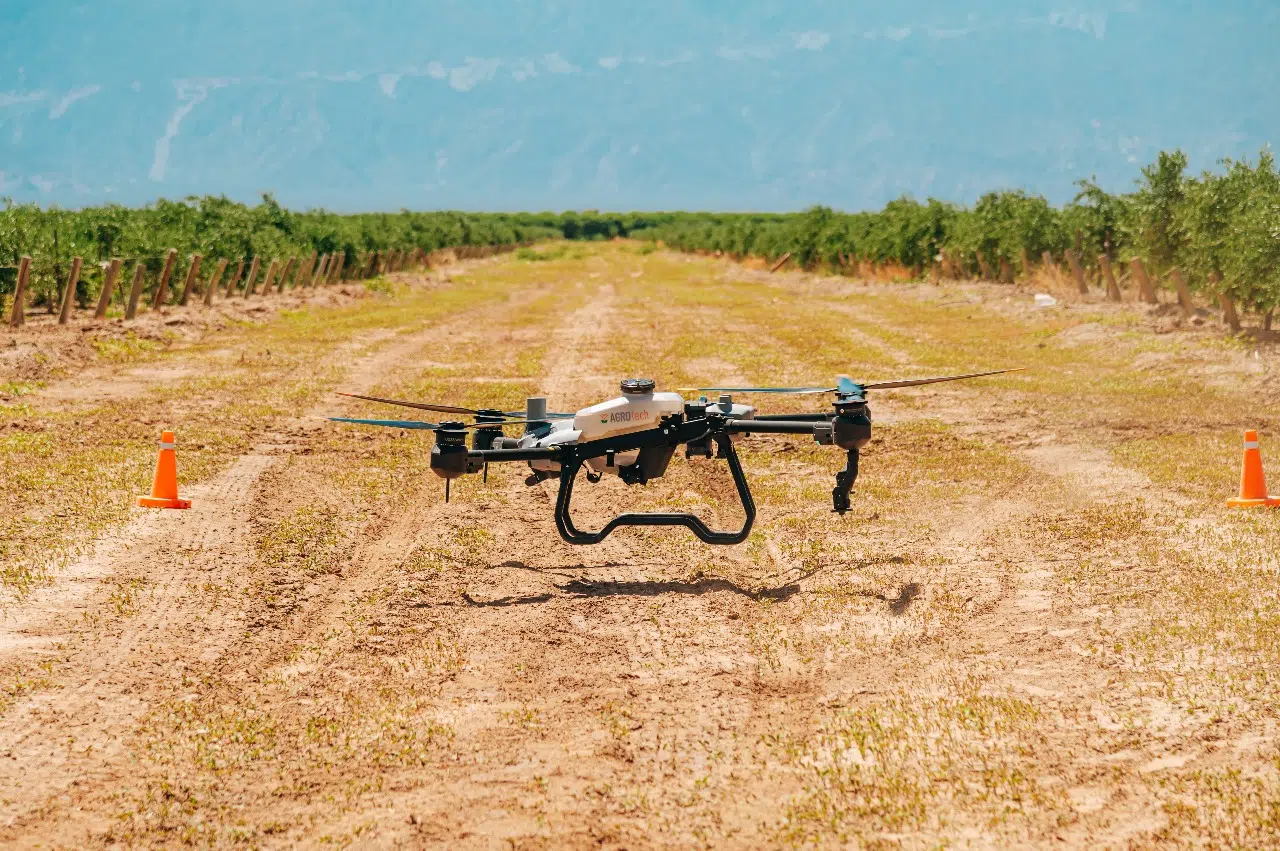
“A more concrete example of our technological commitment is the use of drones. We not only offer bio-inputs but also provide the service of product application with agricultural drones. With this technology, we ensure, among other things, that the product reaches the right place, while protecting the producer’s most important asset, which is their soil. It also allows us to save large amounts of water.”
“This combination of R&D + drones + bio-inputs represents a real competitive advantage for us: it improves yields, reduces costs, and strengthens our production model.” Adds Basanta of Agro Sustentable, for Noticias Ambientales.
Ultimately, for us, technology is not an end in itself, but a means to accelerate the transition to a more regenerative, efficient, and connected agriculture based on triple impact, where knowledge, innovation, and sustainability are integrated as part of the same system.
The testimony of B Corporations in the triple impact
The B Corp (B Corporations) movement serves as a thermometer of this trend. To obtain this certification, a company must not only demonstrate its profitability but also undergo a rigorous audit that measures its impact in five areas: Governance, Workers, Customers, Community, and Environment.
Leaders of certified B agricultural companies in Argentina point out that the conversation in the sector has changed. It is no longer about whether to be sustainable, but how to achieve it in an efficient and scalable way.
These pioneering companies are demonstrating with their balance sheets that it is possible to lead in productivity while regenerating the soil, protecting biodiversity, and creating quality jobs in rural communities.
Solutions on the ground with the triple impact
How does this “sustainability” translate into agricultural practice? The solutions are as diverse as the country’s ecosystems.
Regenerative Agriculture: Beyond “not harming,” this approach actively seeks to “improve” the ecosystem. Through crop rotation, the use of cover crops, and planned grazing, soil organic matter is restored, increasing its fertility and carbon sequestration capacity.
Agroecology: An integrated approach that designs agricultural systems inspired by natural ecosystems, minimizing the use of external inputs and promoting functional biodiversity (beneficial insects that control pests).
Precision Technology: Sustainability is also technological. The use of drones, sensors, and GPS enables “precision agriculture” that applies the exact amount of water or nutrients only where needed, drastically reducing waste and pollution.
Renewable Energies: Increasing installation of solar panels for the operation of irrigation systems, dairies, or grain dryers, reducing the carbon footprint and operational costs.
Social Impact: The social pillar is manifested in the formalization of rural employment, fair wages, development programs for local communities, and the inclusion of small producers in fairer value chains.
The challenge of the triple impact is great, and the transition requires investment, training, and a change of mindset. However, the trend is clear.
The Argentine countryside, a historical pillar of the national economy, is facing the opportunity to lead a new revolution: demonstrating that the best business of the 21st century is to care for the planet and its people.



