



The north of Chile is getting ready for a unique natural spectacle: the return of the flowering desert. The rains recorded at the beginning of August in the province of Huasco awakened thousands of dormant seeds under the sand, transforming the arid landscape of the Atacama Desert into a multicolored tapestry. This phenomenon, which had not occurred since 2022, attracts both scientists and tourists from around the world.
The National Forest Corporation (CONAF) anticipates that the flowering will begin in the third week of September and extend until mid-November, with the most impressive display in October. The Llanos de Challe National Park will be the epicenter of the event, along with nearby areas such as Vallenar, Huasco, and sections of Route 5 North between Copiapó and Vallenar.
This year, precipitation exceeded 40 millimeters, a sufficient amount to activate the “seed bank” resting below the surface. There, species adapted to aridity await optimal conditions to sprout, creating a unique landscape that combines beauty and resilience.
The experience also serves as a reminder of the delicate environmental balance of the desert. The increase in visitors raises the need to take extreme care, avoiding the entry of vehicles off designated routes and the collection of flowers, actions that could irreversibly damage the ecosystem.
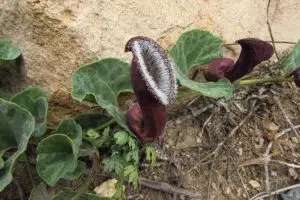 Fox ear (Aristolochia chilensis), one of the flowers adorning the colorful Atacama desert. Photo: iNaturalist Chile.[/caption>
The “seed bank” and its ecological value
In the heart of the driest desert on the planet, certain plants have developed extraordinary survival strategies. Among the species that star in the flowering are the guanaco paw, the white sigh, the fox ear, and the huille. Many of them can spend years underground, waiting for sufficient rain to start their life cycle.
This natural reservoir, known as the “seed bank”, is essential for the biodiversity of Atacama. It allows the ecosystem to regenerate after long periods of drought and ensures the persistence of endemic species not found anywhere else in the world.
The phenomenon also provides a living laboratory for studying plant adaptation to extreme conditions. Understanding their resistance mechanisms could provide valuable insights for agriculture in arid areas and for facing the challenges of climate change.
 White sigh (Nolana baccata). Photo: En Tropía Magazine.
Responsible tourism in a fragile ecosystem
The beauty of the flowering desert attracts thousands of visitors each year it occurs. However, the massive human presence can alter the dynamics of the place. Soil compaction, disruption of pollination routes, and loss of flowers due to improper collection are real threats to its conservation.
To protect this natural heritage, it is recommended to only walk on designated trails, avoid the use of vehicles in unauthorized areas, and refrain from touching or picking plants. Responsible tourism not only ensures the preservation of the phenomenon but also allows future generations to admire it.
Preserving the flowering desert involves understanding that each flower is the result of years of waiting and a complex relationship between climate, soil, and life. Respect for this process is key for Atacama to continue offering this natural spectacle.


