



Birdwatching tourism, or bird watching, has grown exponentially, driven by interest in sustainable travel and a connection with nature.
Beyond simple birdwatching, this activity benefits from technology, with applications such as eBird, which fosters communities and facilitates information exchange among enthusiasts.
This type of tourism is also vital for biodiversity conservation, protecting fragile ecosystems and vulnerable species.
**Birdwatching Tourism and Economy: How Resources Are Distributed**
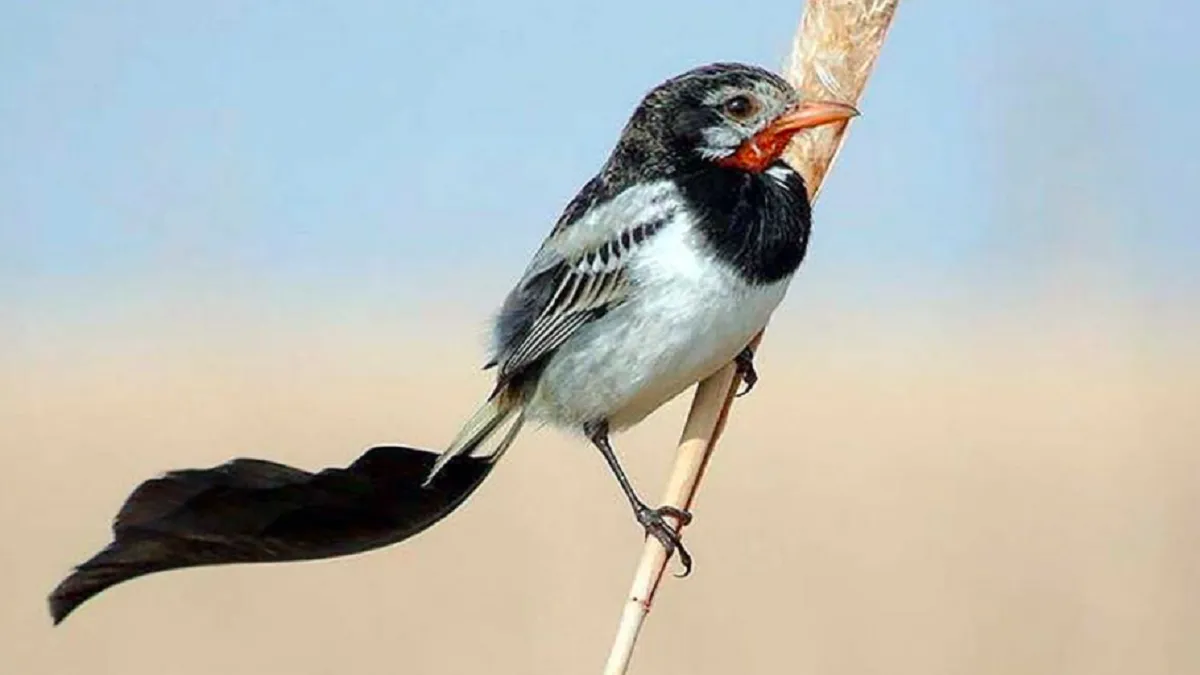
*Birdwatching is also growing in Argentina.*
However, a study by the University of California, Santa Cruz, based on eBird data, reveals that the economic benefits of birdwatching tourism are not evenly distributed.
The research analyzed the growth of this activity in 155 countries, identifying four key factors that influence destination choices:
– The number of small bird species
– Total bird biodiversity
– Global Peace Index
– Human Development Index
**Most Chosen Birdwatching Destinations**
The study concluded that the benefits of birdwatching tourism are concentrated in a few destinations. Colombia, with the highest number of bird species in the world (almost 2000), emerged as the main destination between 2010 and 2022.
The research highlights that in 2022, the number of birdwatching days in Colombia was 40 times higher than in 2010. This boom is due not only to its rich birdlife but also to good tourist infrastructure, including protected reserves and local guides, as well as a successful ecotourism marketing campaign.
The second most popular destination was South Africa. Other countries like Mexico, Costa Rica, Peru, Brazil, and Ecuador also attract many visitors, thanks to their combination of high biodiversity and tourist development.
On the contrary, countries with significant birdwatching potential such as Venezuela, Bolivia, Madagascar, and Papua New Guinea receive disproportionately few birdwatching tourists, and their market share decreased or remained stagnant.
**Beyond Birds: Safety and Infrastructure**
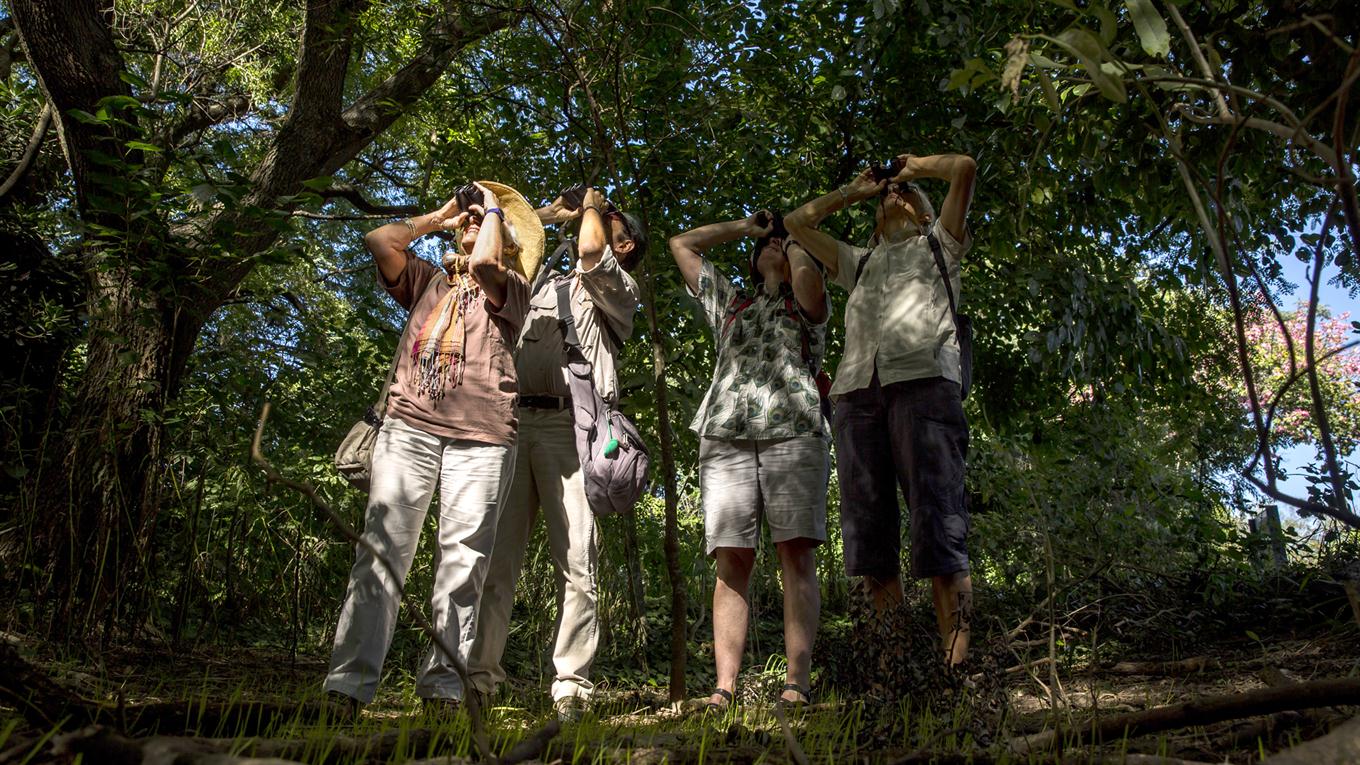
*Connection with nature through tourism.*
The research points out that the main reason for this disparity is that the number of birds is no longer the only priority for travelers. Birdwatchers increasingly prioritize safety and basic infrastructure in their destinations.
Countries like Colombia and Costa Rica knew how to capitalize on this by investing in security and tourist services. In the case of Mexico, its proximity to the United States, the source of most birdwatching tourists, also plays a key role.
**Boosting Birdwatching Tourism**
To attract more visitors, it is essential for countries to focus on improving their tourist infrastructure. Researchers suggest that national-level development is not necessary; it is enough to enhance security and services in specific tourist areas.
Other recommended measures include:
– Grants and tax exemptions for building trails and observation towers.
– Investment in habitat conservation and training local guides.
– Promotion of certification programs.
– Support for sustainable tourism companies managed by local communities.
It is essential to involve local and indigenous communities in ecotourism development and prioritize long-term sustainability benefits over short-term profits.


