



On the tourist map of the Caribbean, there are still corners that resist the advance of mass tourism. Miches, in the north of the Dominican Republic, a paradise of virgin beaches, is one of them.
Its beaches, protected from the currents that carry sargassum, maintain transparent waters that contrast with the saturation experienced by much of the region.
While the country continues to be among the most chosen destinations by Argentine travelers, this small refuge remains almost intact and offers a rare natural respite.
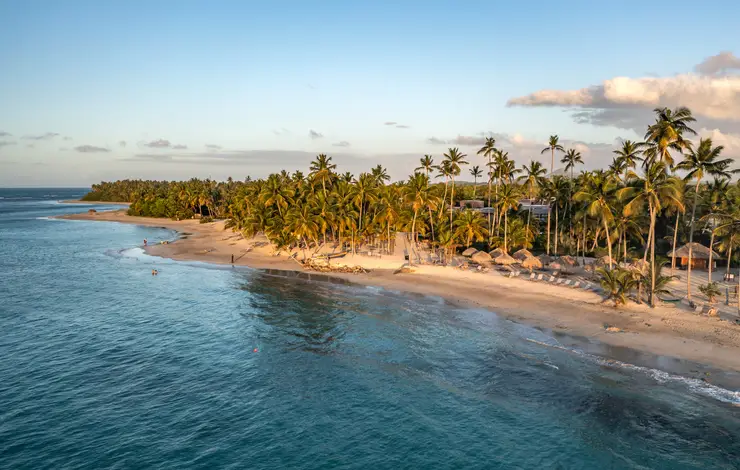
A growing destination that prioritizes conservation
In Playa Esmeralda, the sea displays bright green tones that justify its name and enhance the feeling of isolation. The coast extends wide, serene, and free of crowds.
The tourist development advances, but with a perspective that seeks to balance infrastructure with environmental protection. This vision allows the area to maintain a slow pace and a strong natural identity.
The low presence of large hotel chains helps preserve the environment. Those who arrive find comfort without sacrificing silence, palm tree shade, and a sense of full nature.
Experiences for those seeking connection and adventure
Miches attracts contemplative travelers, but also those who prefer to combine rest and activity. The environment offers multiple options to move without altering the landscape.
The Montaña Redonda provides panoramic views of the Atlantic and the intense green that characterizes this Dominican region. Climbing to its summit is an invitation to grasp the magnitude of the territory.
Local culture is experienced on the coconut and cocoa routes, two emblematic products that allow you to learn about traditional processes and communities dedicated to their production.
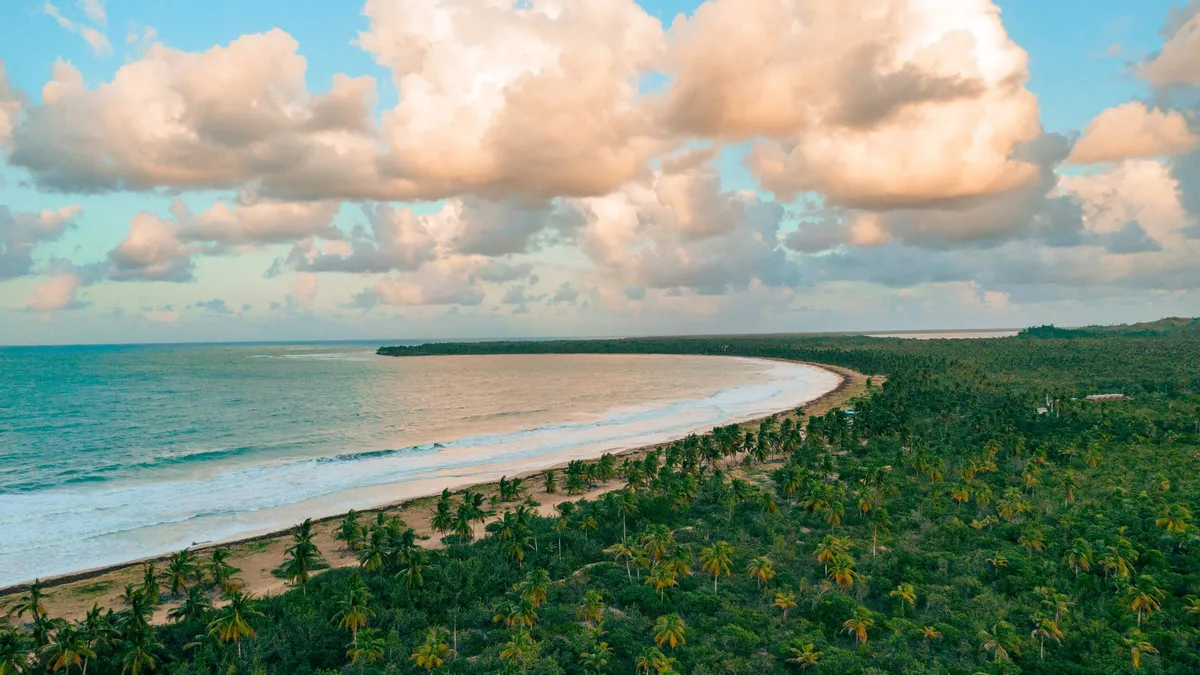
A perfect sea for water sports and unique landscapes
The calm sea makes Miches an ideal setting for kayaking, practicing stand up paddle, or sailing without surprises. The transparent waters add a visual experience hard to forget.
On the beaches of the Viva Miches by Wyndham hotel, it is common to see visitors venturing beyond the loungers to actively discover the coastline.
A few kilometers away, the Los Haitises National Park offers a completely different landscape. The mangroves intertwine with rocky islets, archaeological caves, and a unique biodiversity in the Caribbean.
A park that holds history and biodiversity
Exploring Los Haitises is navigating a fragile ecosystem that demands respect. The park’s virgin beaches and caves with Taíno art remind us that this region was home to ancient cultures.
The feeling of being inside a cinematic setting is no coincidence: part of the iconic movie Jurassic Park was filmed here, taking advantage of the spectacular landscape.
The tour allows understanding the importance of conserving these environments, vital for marine fauna and for the coastal balance.

Why Miches deserves a place on the travel agenda
Beaches without sargassum, nature still intact, and a balanced offer between rest and adventure make Miches a sustainable alternative within the Caribbean.
Its landscapes demonstrate that it is possible to develop tourism without losing identity or putting at risk the ecosystems that sustain it.
This destination is consolidated as the ideal option for those looking to disconnect, explore, and enjoy without the pressure of overloaded circuits.
How to enjoy Miches without leaving an environmental footprint
Explore with minimal impact: Choosing excursions operated by local guides ensures responsible practices and direct support to the communities that protect the area. Opting for walks and non-motorized sports reduces emissions and noise.
Respect marine and coastal life: Not extracting shells, corals, or beach vegetation helps preserve the natural dynamics of the coast. Avoiding sunscreens with harmful chemicals is key to protecting fragile ecosystems.
Commit to conscious consumption: Using reusable bottles, minimizing waste, and choosing accommodations with environmental policies significantly reduces pressure on the destination. Consuming local products boosts a more sustainable circular economy.


