



The National Secretariat of Tourism and Environment together with the Automobile Club of Argentina (ACA) have begun the development of a comprehensive tourist guide for National Route 3, one of the most strategic corridors in the country.
The work began on February 26 with a georeferenced survey of localities, attractions, traveler services, and the general state of the route, which will extend until March 16.
The Route
The ACA technical team started the survey in the Autonomous City of Buenos Aires and advanced through the provinces of Buenos Aires, Río Negro, Chubut, Santa Cruz, and Tierra del Fuego. Among the visited localities are:
- Buenos Aires: San Miguel del Monte, Las Flores, Azul, Benito Juárez, Tres Arroyos, Bahía Blanca, and Carmen de Patagones.
- Río Negro: Viedma, San Antonio Oeste, Las Grutas, and Sierra Grande.
- Chubut: Puerto Madryn, Puerto Pirámides, Trelew, Garayalde, and Comodoro Rivadavia.
- Santa Cruz: Caleta Olivia, Puerto San Julián, Comandante Luis Piedrabuena, and Río Gallegos.
- Tierra del Fuego: San Sebastián, Río Grande, Ushuaia, and Lapataia.
Objectives of the Guide
The future publication aims to:
- Highlight the natural, cultural, and productive attractions of the route.
- Consolidate RN3 as an integral tourist product.
- Strengthen its positioning in the domestic and international market.
- Integrate tourism promotion with policies of balanced territorial development.
Importance of National Route 3
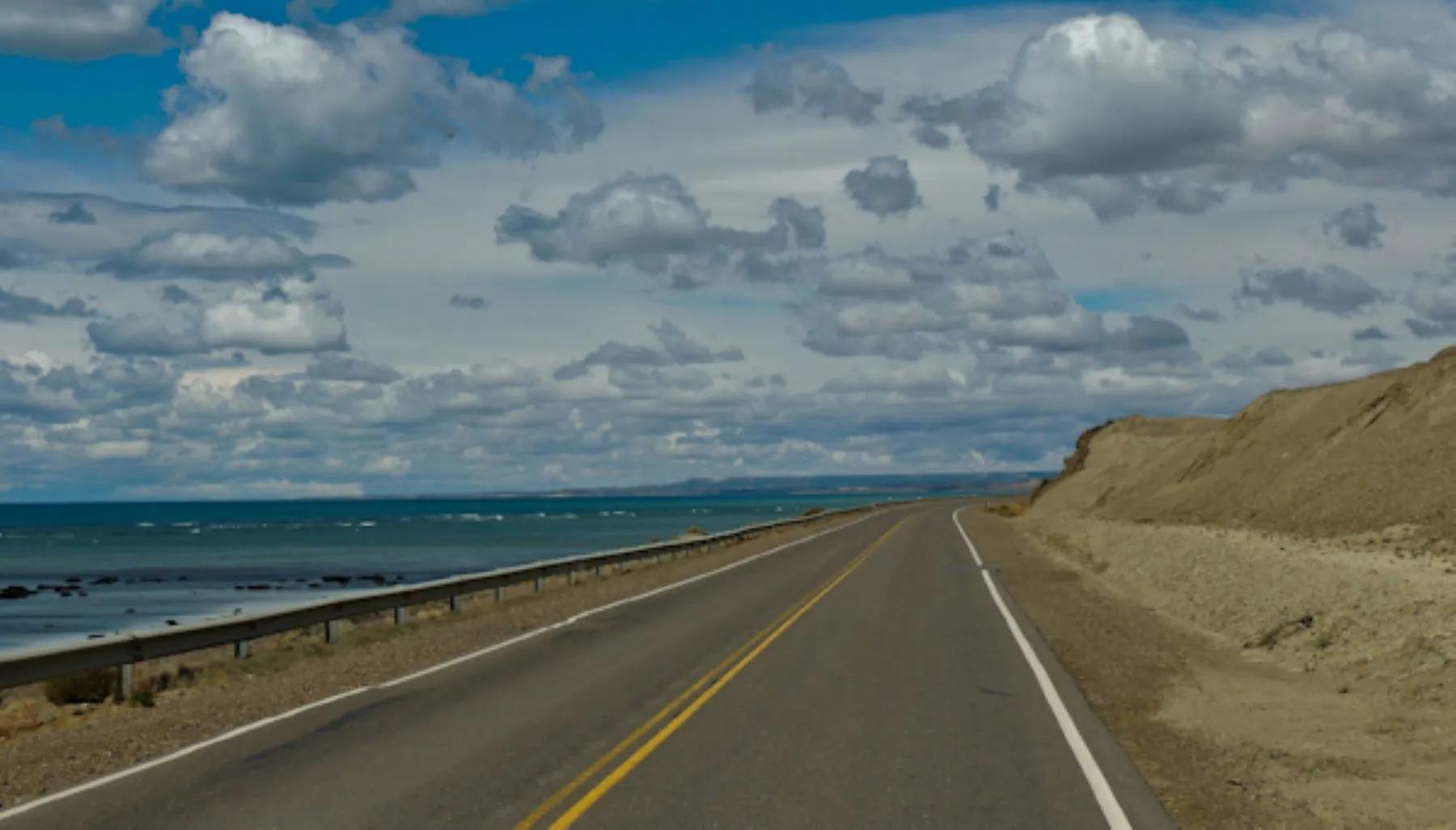
RN3 is the main road corridor of the Argentine Atlantic coast, with more than 3,000 km in length. It connects Buenos Aires with Tierra del Fuego and constitutes the only land connection to the southernmost part of the country.
Key Aspects of Its Relevance:
- Connectivity and logistics: fundamental for freight transport and Patagonian economic development.
- Tourist corridor: crosses unique landscapes and allows access to sites such as Peninsula Valdés (whale watching) and Tierra del Fuego National Park.
- Improving infrastructure: highway works on the Cañuelas–Azul section to increase safety and capacity.
- International connection: access route to Tierra del Fuego, requiring crossing the Strait of Magellan through Chilean territory.
Expected Impact
The tourist guide will optimize travelers’ experience by providing precise information about:
- Available services in each locality.
- Natural and cultural attractions.
- Safety and logistics recommendations.
- Historical and productive data of the region.
Additionally, it will reinforce RN3’s role as a driver of tourism and economic growth, integrating promotion with the Green Pact and sustainable development goals.
National Route 3 is not just a road: it is a vital axis for Patagonia and Tierra del Fuego, combining connectivity, tourism, and production. The new tourist guide will consolidate its strategic value and offer residents and visitors a key tool to travel one of the longest and most emblematic roads in Argentina.

