



A group of students from the Bachelor’s Degree in Environmental Sciences at the National University of Río Negro is working on a study that aims to position the Punta Bermeja Provincial Fauna Reserve as a key ecotourism destination on the Atlantic coast. The project will be presented to the community at the end of August, with the intention of opening a space for dialogue on responsible tourism.
The initiative emerged in the Ecotourism course and proposes to strengthen a model of conscious travel, where biodiversity is valued and protected at the same time. To achieve this, the students conducted surveys of flora and fauna, infrastructure records, interviews with residents and tourist providers, as well as applied impact analysis methodologies.
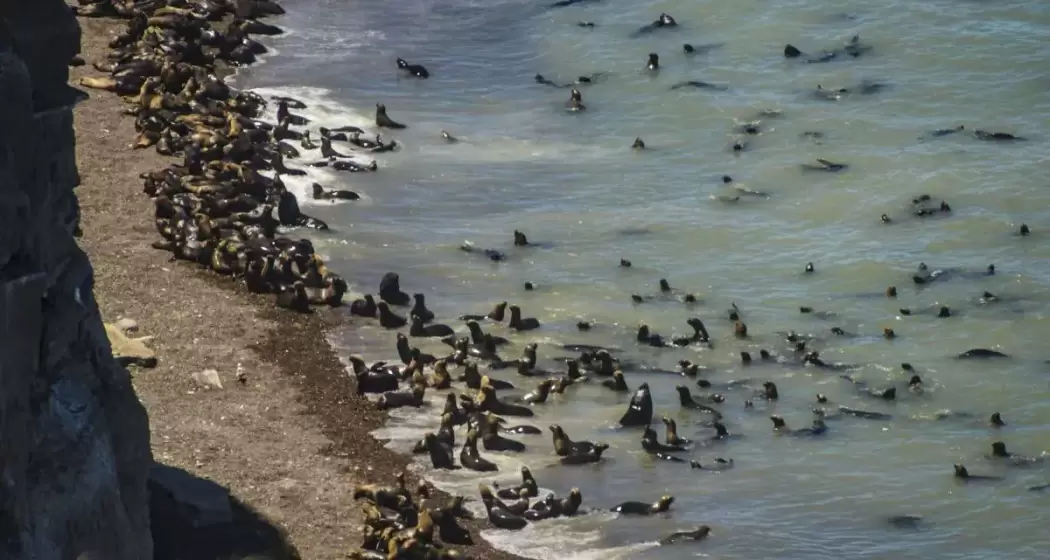
Punta Bermeja is renowned for hosting one of the largest colonies of south american sea lions in all of Patagonia. Additionally, numerous species of birds, land mammals, reptiles, and fish coexist there. However, it also faces challenges such as waste accumulation and lack of connectivity, factors that impact visitors’ experience and the balance of ecosystems.
Through this work, the students propose concrete measures to improve tourist infrastructure, reinforce signage, optimize waste management, and ensure the conservation of the area. The goal is to turn the reserve into a reference destination for those seeking full contact experiences with nature.
A Living Biodiversity Laboratory
The study recorded more than 80 species of flora and fauna, demonstrating the natural richness of the site. Among them, 38 plant species adapted to the coastal climate and 31 birds, many of them migratory, stand out. They also identified 14 mammals, highlighting the importance of conserving the area as an ecological corridor.
The south american sea lions are the main attraction. Every year, thousands of individuals rest and reproduce on the reserve’s beaches, allowing visitors to witness one of the most impressive natural spectacles in Patagonia. In addition, there are guanacos, foxes, and birds of prey that complement the sighting experience.
The ecotourism proposal also includes local development. It involves nearby communities so they can offer gastronomic services, crafts, and rural accommodation, generating income without compromising the environment. In this way, tourism becomes a conservation tool and a driver of sustainable development.

How to Get to Punta Bermeja Reserve
The Punta Bermeja Provincial Fauna Reserve is located 60 kilometers south of the city of Viedma and just over 30 kilometers from the town of La Lobería. Access is via Provincial Route No. 1, known as the Coastal Road, a scenic route that borders cliffs and beaches.
The journey can be made by private vehicle, preferably with a full fuel tank, as there are no nearby gas stations. Another option is to hire excursions from Viedma or Las Grutas, which include specialized guides and transportation.
It is recommended to visit the reserve in spring and summer, when the weather is milder and the sea lion colony is most active. The area has viewpoints, boardwalks, and interpretive signage, but lacks cell phone signal, so it is advisable to plan the visit in advance.
Punta Bermeja not only offers a unique natural spectacle, but also the opportunity to join a tourism model that seeks to protect ecosystems and, at the same time, involve local communities in their conservation.


