



Just 25 kilometers from San Carlos de Bariloche, Colonia Suiza dazzles with its natural surroundings, where Provincial Route 77 runs along Lake Nahuel Huapi on a scenic route that combines water, forest, and mountains. This Patagonian town is part of the famous Circuito Chico, a tourist corridor full of beauty and culture.
Access to Colonia Suiza is through a gravel detour at kilometer 18. After traveling seven kilometers, you reach the heart of the town, where an artisan fair is held every Wednesday and Saturday, featuring gastronomy, local products, and outdoor shows.
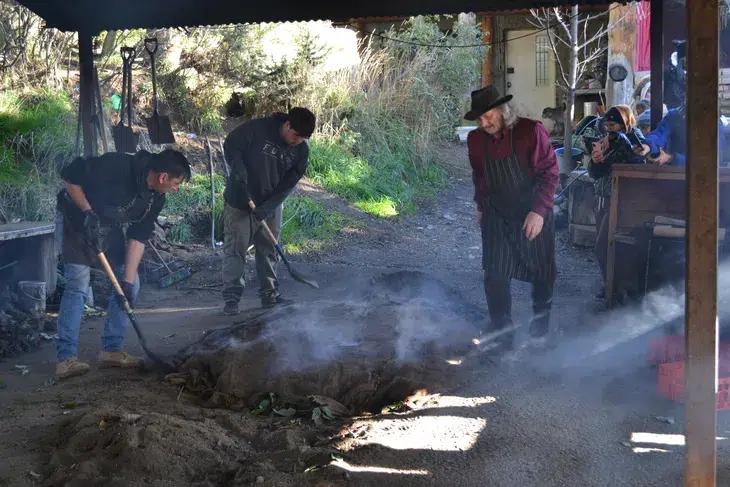
The wooden and stone buildings evoke European villages. The architecture, traditions, and local identity remain alive, especially on days when the traditional curanto is cooked, a culinary experience that attracts hundreds of visitors.
Rural Heritage and Sustainable Production
The history of Colonia Suiza is marked by the arrival of immigrant families, such as the Goye, pioneers in Andean agriculture in the late 19th century. These settlers brought rural knowledge that allowed them to adapt to the mountain climate and develop orchards, farms, and small family industries.
The production included from potatoes and cereals to apples and plums, making the most of natural resources without degrading them. Additionally, they practiced livestock farming, beekeeping, and medicinal plant collection, building a subsistence economy with surpluses that were sold locally.
Many of these products gave rise to typical regional foods. Preserved foods, cheeses, sausages, and baked goods became part of the colony’s gastronomic identity, linking productive history with current culture.
Curanto, Mulled Wine, and Berries
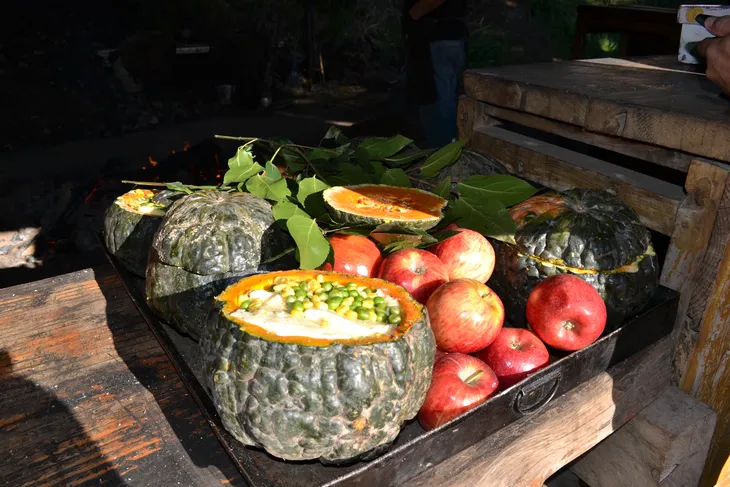
One of the main tourist attractions of Colonia Suiza is the curanto, an ancestral recipe that is cooked underground with hot stones, meats, vegetables, and leaves. This dish, brought from Chiloé, became a collective ritual that in winter is accompanied by spiced mulled wine.
The Glühwein, typical of Alpine countries, arrived with European immigrants and is now served with local recipes that incorporate honey and Andean herbs. It is accompanied by homemade pastries, such as strudel and forest fruit cakes.
At the same time, the cool climate favors the cultivation of raspberries, blackberries, and currants, which are transformed into jams, sweets, and artisanal wines. Raspberry wine, fermented without grapes, is a star product of the region, which represents the balance between tradition, local identity, and sustainable use of the environment.
Colonia Suiza combines tourism, artisanal production, and respect for nature, establishing itself as a model of development with ecological and cultural roots.
How to Get to Colonia Suiza
To reach Colonia Suiza from San Carlos de Bariloche, you must take Avenida Bustillo and continue on Provincial Route 77 heading west. This road is part of the Circuito Chico and offers panoramic views of Lake Nahuel Huapi, with curves winding through native forests and mountains.
At the 18th kilometer mark, you will find the signposted detour to Colonia Suiza. From there, a stretch of approximately 7 kilometers of well-maintained gravel road connects to the heart of the town. Although it is not paved, the route is passable throughout the year and does not require special vehicles.
It is advisable to take the journey with time and enjoy the natural surroundings. During fair days, Wednesdays and Saturdays, traffic can intensify, so it is recommended to arrive early to make the most of the visit.


