



In the context of a new edition of the **Coastal Marine Litter Census** carried out on the beaches of [Mar del Plata](https://www.turismomardelplata.gob.ar/), the levels of **contamination found by the volunteers** were alarming.
The most significant waste so far is, according to reports, **plastic**. The study, led by the **Buenos Aires Coastal Network (RECOBO)**, also revealed concerning data about pollution on the beaches.
## The new edition of the census and the waste found
During this day of the eighth edition of the **Provincial Coastal Marine Litter Census**, conducted on the Félix U. Camet and Florisbelo Acosta beaches, it was confirmed that **74% of the waste found is plastic**.
This result, which remains similar to previous years, underscores the urgency of generating strategies for **preventing pollution**.
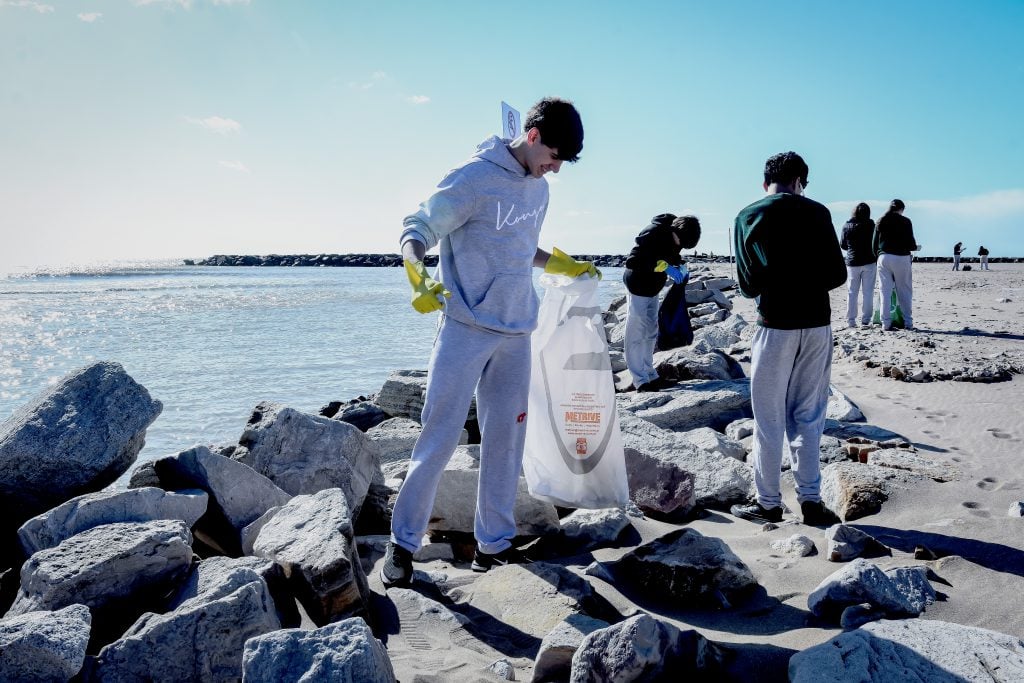
The awareness and cleaning day was attended by **students from the Carlos Tejedor Institute**. The young people worked in pairs, collecting and recording the different types of waste found on the sand.
Their essential work to obtain precise data about the current situation included **sorting the garbage** before it was taken to the landfill.
According to biologist and institute professor **Sergio Morón**, as reported by the newspaper *La Capital*, **plastic is the most common waste** due to its slow degradation. Morón emphasized a crucial point: “Anything thrown in the sewers or on the street will end up on the beach.” This direct connection between **urban waste and coastal pollution** highlights the need for a comprehensive approach.
Despite the magnitude of the problem, Morón expressed optimism about the change in mentality among younger generations. “Kids educate their parents. They are much more responsible and take better care of the environment,” he stated. This youth commitment is seen as a driving force for change that could eventually have a positive impact on society.
The data collected on the various beaches in the province will be analyzed together, and the final results are expected to be ready by mid-October.
## 2024 results: over 70% of waste along the entire Buenos Aires coast is plastic
As reported by Mundo Marino last year, in that seventh edition, a total area of 297,636 m2 (almost 30 hectares) was covered, with the collaboration of 45 third-sector and governmental organizations.
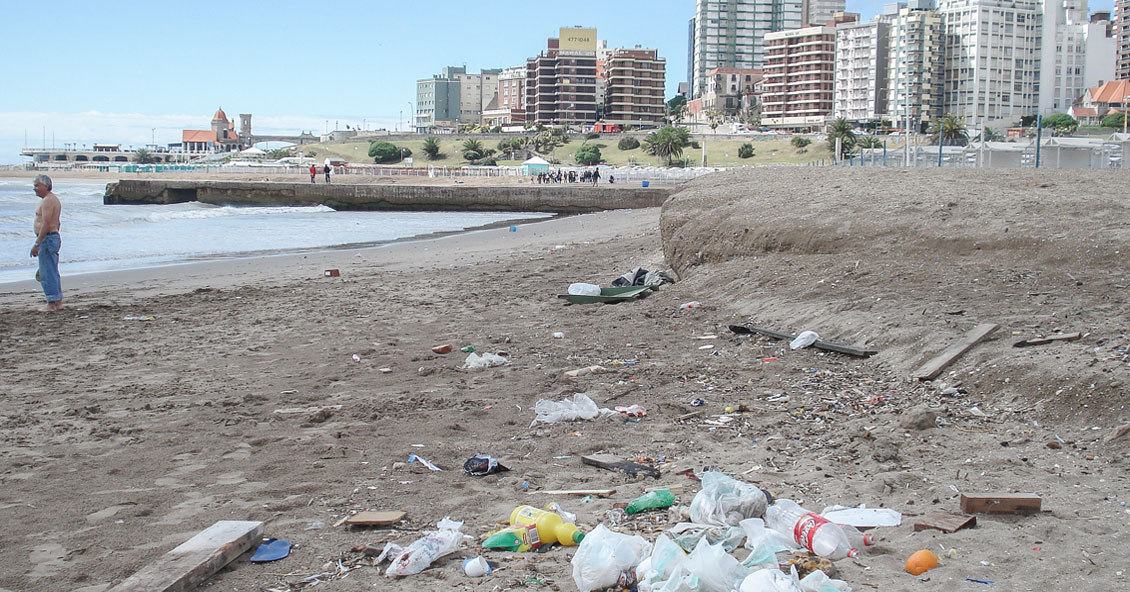
The **compiled results** recorded a total of 49,913 surveyed waste items, of which 74.05% were plastics, a figure almost identical to the previous data. In 2023, the **initiative could not be carried out due to the outbreak of avian flu** that had affected various marine species.
Within the “plastics” category, the most found contaminant during this latest census edition was that made up of **wrappers, representing 14.17% of the total**.
These single-use materials like cellophane or nylon, designed to protect or contain products for a short period, are quickly discarded and often end up in terrestrial and marine ecosystems.
After plastic wrappers, the most found contaminants were cigarette butts (13.34%), plastic fragments (11.87%), plastic bags (8.38%), and glass fragments (7.55%).
A new coastal waste census was conducted in Mar del Plata and the results are striking: what is the biggest residue
Te pueden interesarTe pueden interesar
France passes a law to curb fast fashion and penalize large sales platforms for their environmental impact

The French Parliament approved a law aimed at curbing...
Triangles on plastic containers: what they mean and why it’s important to identify them

The presence of a triangle with a number on...
Depleted uranium bar found in Córdoba: preventive operation in Río Cuarto and transfer to Embalse
Un grupo de empleados de la planta Circularity, ubicada...
Buenos Aires implements a new regime for non-special industrial waste with mandatory registration and traceability
The Ministry of Environment of the Province of Buenos...
