



In the heart of the **Calamuchita Valley (Córdoba)**, an initiative is advancing to address one of the most overlooked environmental urgencies: **organic waste management**.
The project, called Calamuchita Composta, is led by **Daniel Carrizo** and **Patricio Ferraros Di Stefano**, who promote a **decentralized composting model** with **environmental, educational, and community impact**.
From landfills to compost: how the composting circuit works
The process is **simple yet transformative**: organic waste is collected from **restaurants, hotels, breweries, and homes**, taken to a **composting plant**, and after **six months of controlled treatment**, a **compost rich in beneficial microorganisms** is obtained. This compost is destined for:
- Family and community gardens
- Regenerative agriculture
- Green spaces and local gardens
- Ecological restoration projects
Additionally, the team works with **rural schools**, introducing new generations to the **natural waste cycle** and the value of **soil regeneration**.
A fair, local, and nature-connected model
Carrizo and Ferraros Di Stefano argue that it is possible to **rethink waste management** from a **territorial, inclusive, and environmentally responsible perspective**.
“Every meal served, every hotel, and every visitor can contribute to the regeneration of the place they enjoy,” they say. The proposal invites **municipalities, companies, and tourism providers** to join a model that **transforms waste into a resource**.
Why is composting organic waste urgent?
**Environmental** and **health impacts** of inadequate management.
The accumulation of organic waste in **open-air landfills** generates multiple problems:
- **Methane emissions**: a greenhouse gas 25 times more potent than CO₂
- **Toxic leachates**: contaminating soils and aquifers
- **Bad odors and vectors**: promoting pests and diseases
- **Ecosystem disruption**: oxygen consumption in water bodies and species death
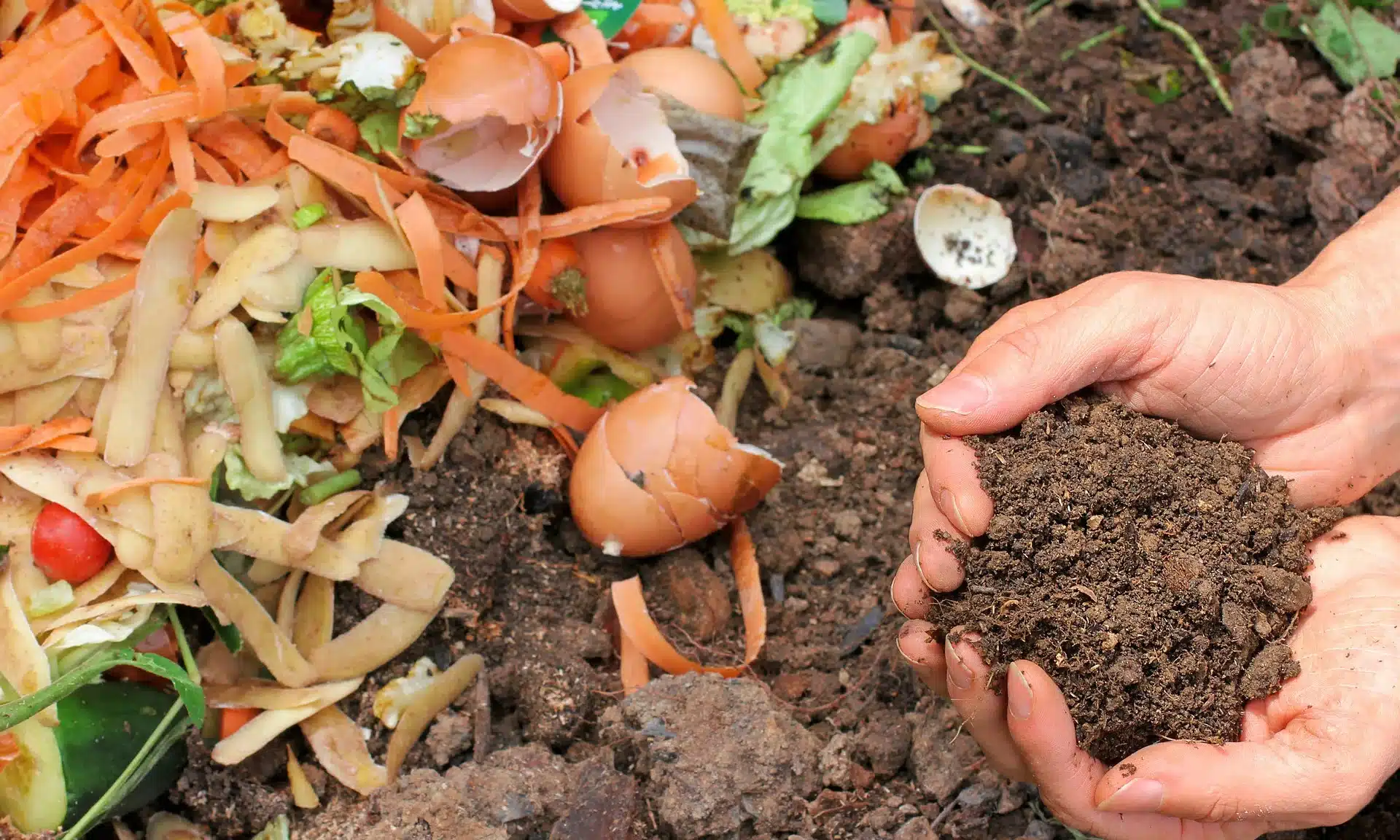 The importance of composting organic waste
Hidden costs and wasted resources
Poor management increases system costs and wastes valorization opportunities.
- **Increased public costs**: collection, landfill maintenance, health
- **Value loss**: missing the chance to generate **compost or biogas** that could **reduce emissions** and **generate local income**
Concrete solutions for structural change
The keys to moving towards **responsible organic waste management** include:
- **Source separation**: essential to facilitate treatment
- **Citizen education**: raising awareness about the benefits of composting
- **Treatment technologies**: aerobic composting and anaerobic digestion
- **Clear regulations**: regulations that promote decentralized and efficient models
Composting is regenerating: an invitation to transform waste into life
**Calamuchita Composta** demonstrates that change is possible, locally and with real impact.
This Cordoban project is an example of how **the circular economy can take root in the territory**, regenerate soils, **reduce emissions**, and **strengthen community ties**.
Composting is not just a technique: it is a **political, cultural, and ecological decision** that redefines our relationship with nature.



