



Food waste is an environmental and social challenge that affects the entire planet. In Argentina, it is estimated that more than 16 million tons of food are lost each year. Faced with this problem, the Cheaf app proposes a model of responsible consumption that connects businesses with consumers.
This platform allows supermarkets, restaurants, and stores to sell their surplus in good condition with discounts of at least 50%. Thus, it prevents products suitable for consumption from ending up as waste, reducing economic losses and environmental impact.
Since its arrival in the country, Cheaf has exceeded 350,000 downloads and has more than 200 participating businesses. In a few months, it has managed to rescue more than 75,000 kilos of food, offering a concrete alternative to daily waste.
The initiative is also part of the National Plan for Reducing Food Loss and Waste, promoted by the Ministry of Agriculture. This plan promotes actions that favor sustainability and conscious consumption.
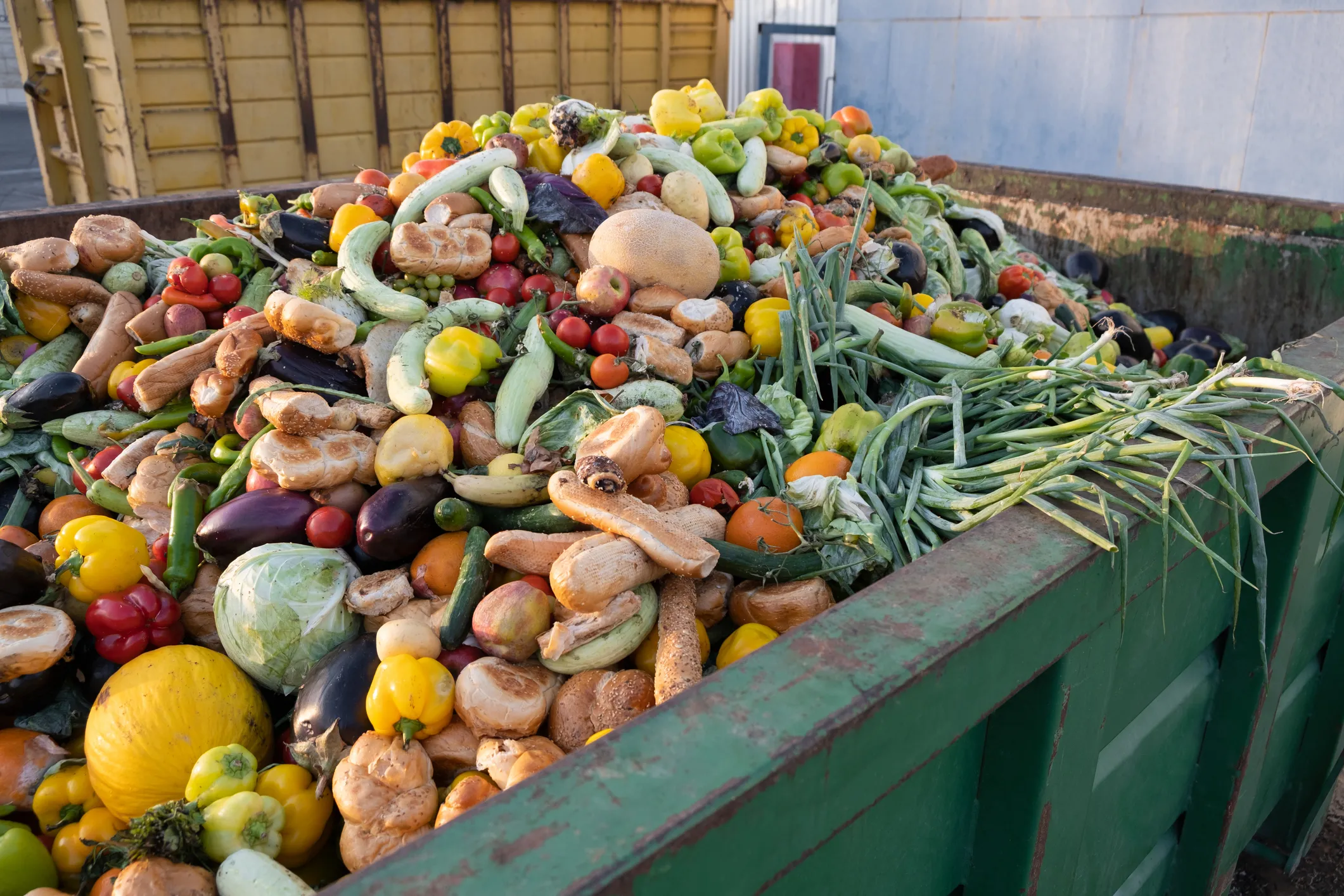 Food waste.
Economic, Social, and Environmental Impact
Businesses using Cheaf have managed to reduce their losses by up to 50%, improving their efficiency and attracting customers seeking more sustainable options. This practice benefits the local economy and strengthens the bonds between responsible businesses and consumers.
Cheaf’s proposal is expanding both in large cities and in rural areas of the country. This demonstrates that the commitment to conscious consumption is a growing trend and a necessary response to food waste.
In addition to the economic benefit for businesses, the app promotes a new culture of consumption based on respect for natural resources and fair access to food.
 Against food waste.
The Consequences of Food Waste
The discarding of food in good condition implies a serious environmental impact. Each discarded product represents a waste of resources such as water, soil, and energy used in its production.
Massive waste also increases greenhouse gas emissions, as organic waste releases methane when decomposing in landfills. This gas is one of the main contributors to global warming.
On the other hand, food waste exacerbates social inequalities. In a world where millions of people face food insecurity, every kilo of food that is not utilized is a missed opportunity to alleviate that situation.
Projects like Cheaf drive a circular economy that promotes the comprehensive use of resources. By giving food a second chance, not only waste is combated, but also awareness is raised about the real value of food.



