



In Villa Luzuriaga, the new Urban Solid Waste (RSU) Transfer Center is now operational, coordinated by the Undersecretary of Environment and Sustainable Development. The facility, located at La Paz and De los Incas, is open Monday to Friday from 9 to 17 and Saturdays from 9 to 13.
The goal is to optimize urban cleanliness and reduce the environmental impact of bulky waste that cannot be collected by the usual service.
What waste is accepted
Residents can bring up to 450 kg per person of solid waste for free, such as:
- Appliances (refrigerators, stoves, fans).
- Furniture and mattresses.
- Pruning waste and branches.
- Household debris.
- Countertops and sanitary ware.
Industrial toxic, hazardous, or business and commercial waste is not accepted.
Inclusion of cart drivers
The center also integrates the activity of cart drivers into the formal circuit of responsible disposal, turning an informal practice into a key link in urban hygiene.
This ensures that collected material does not end up scattered in prohibited areas.
Prevention and oversight
The local government has vehicles patrolling the district to prevent illegal dumping in landfills and promote the use of the new center. Additionally, the community can report these practices through official social media channels.
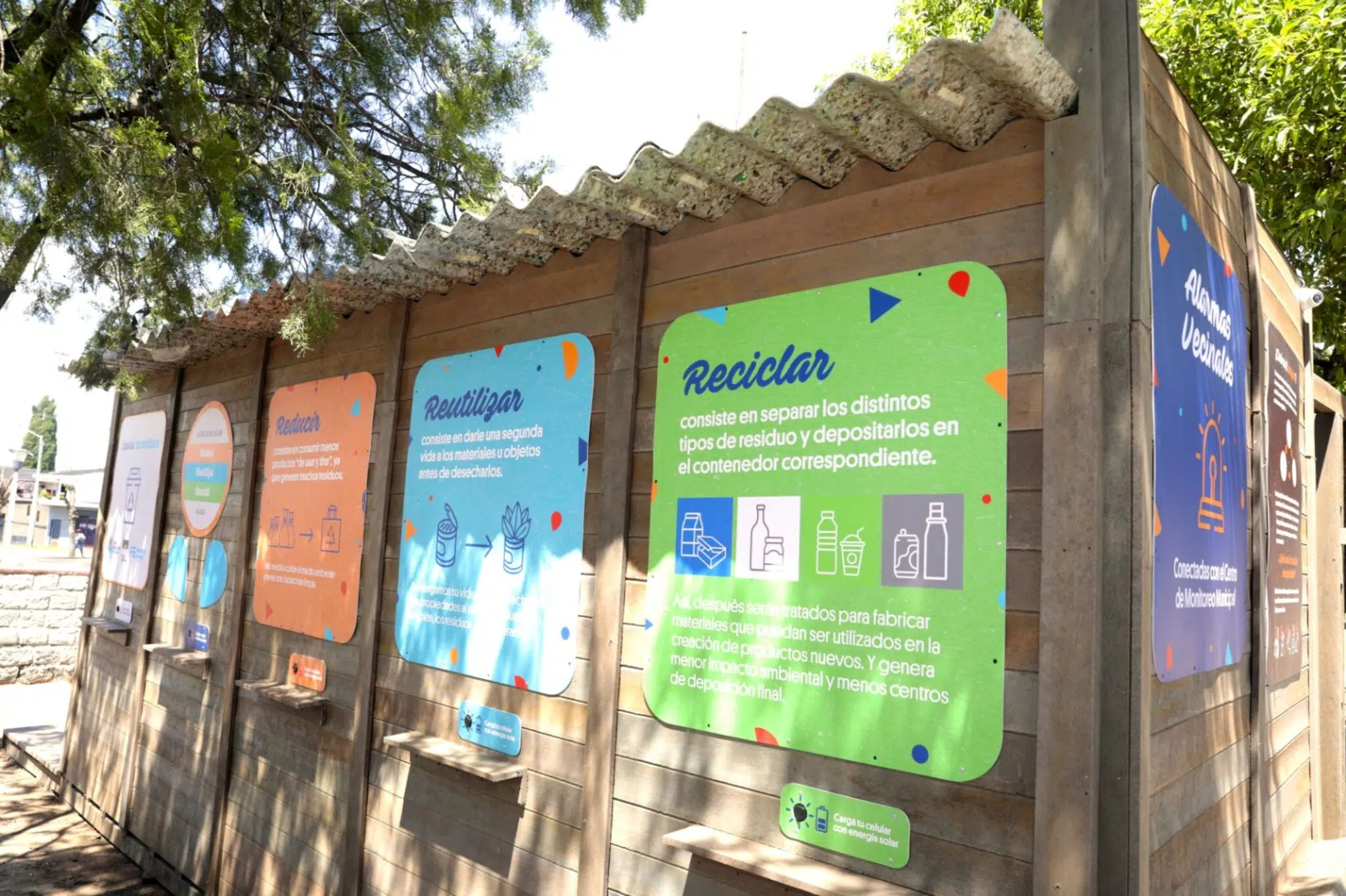
In parallel, the municipality has Sustainable Stations for residents to bring recyclable waste, reinforcing the circular economy strategy.
Importance of waste management
Good waste management is crucial for:
- Public health and environment: prevents diseases and improves air, soil, and water quality.
- Conservation of resources and energy: allows for the recovery of materials and reduces the extraction of raw materials.
- Circular economy and sustainability: promotes reuse and recycling, generating green jobs.
- Economic and operational benefits: reduces disposal costs and helps comply with environmental regulations.
Key strategies
- Reduce and reuse: minimize unnecessary consumption and extend the useful life of products.
- Source segregation: separate organic, recyclable, and hazardous waste to facilitate treatment.
- Valorization: convert waste into energy or new products.
The new RSU Transfer Center in La Matanza represents an investment in future sustainability. By offering a safe and free space for the disposal of bulky waste, it protects public health, conserves the environment, and strengthens the circular economy.



