



According to the Waste Observatory of the National University of Rosario (UNR), in Argentina, more than 11 million tons of garbage are generated per year. To put this into perspective: it would be equivalent to filling more than 1,100,000 trucks, which lined up would cover the distance between Buenos Aires and Bogotá.
A significant portion of this waste could be reintegrated into the production system if there were efficient processes of recovery, redesign, and reuse. In this scenario, the circular economy ceases to be an option and becomes a structural necessity.
Cardboard as a protagonist of the circular transition
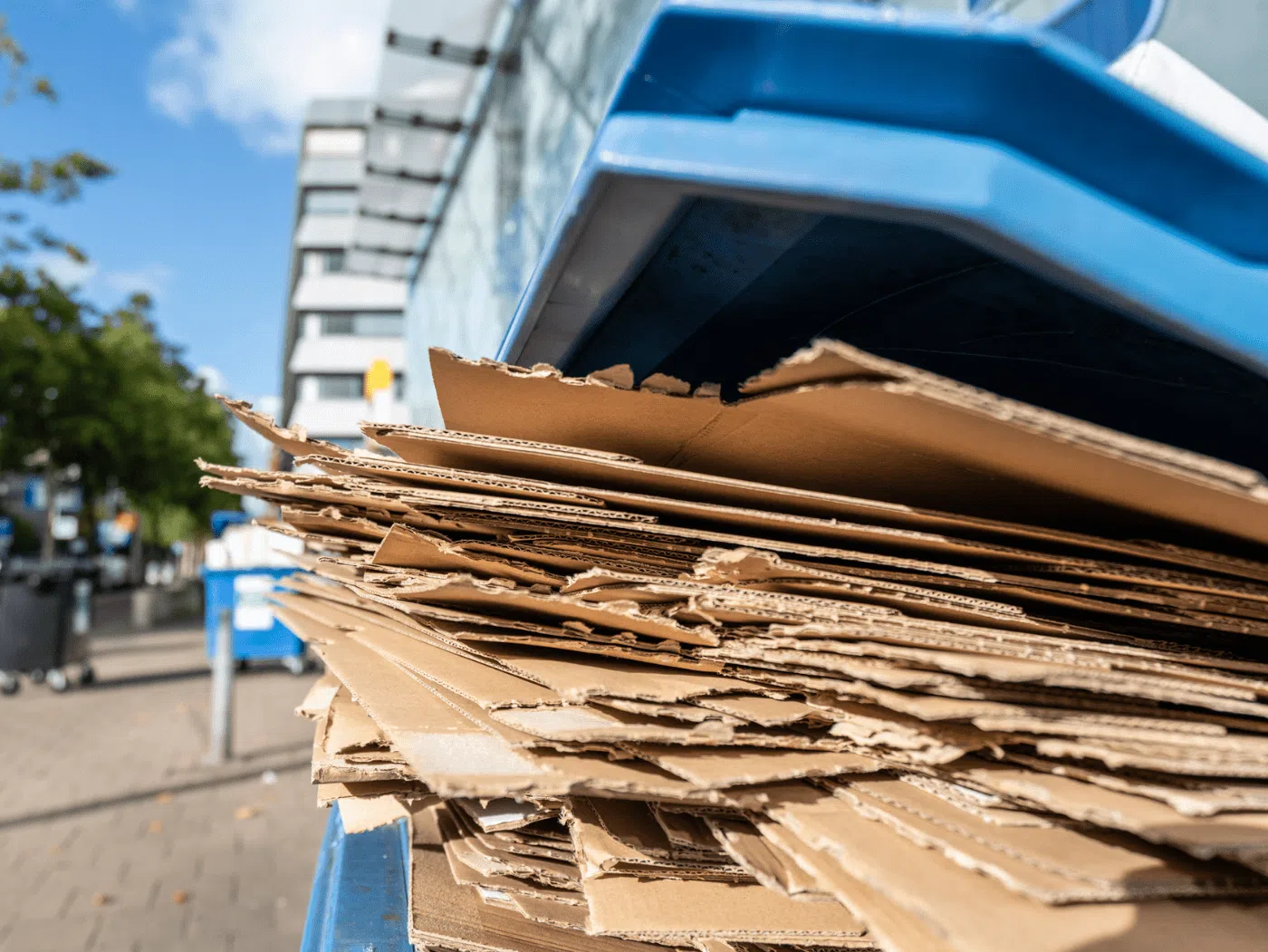
Due to its properties, cardboard emerges as a key player in the circular economy. It is renewable, recyclable, and versatile, capable of protecting products, communicating brand attributes, and adapting to different packaging formats.
At Smurfit Westrock Argentina, close to 90% of the packaging contains recycled material and is 100% recyclable, the result of a corporate strategy focused on transforming the lifecycle of cardboard into a virtuous system.
Technology and innovation: the new face of packaging
True transformation happens when sustainability is enhanced with innovation. The incorporation of advanced technologies such as:
- Digital quality control
- Predictive performance analysis
- Intelligent structural design
This allows the development of more resistant, efficient, and personalized packaging, reducing resource usage and minimizing waste. Digitalization applied to packaging is a powerful tool to redefine the use of materials from design to traceability throughout the value chain.
Circularity with a systemic approach: the role of all actors
For cardboard to stop being waste and become a resource, a comprehensive view is essential. The circular economy requires the joint commitment of:
- Governments, which must promote public policies and differentiated collection systems
- Companies, which must invest in responsible design and sustainable processes
- Consumers, who must adopt conscious consumption habits
- Communities, which must actively participate in local waste management
Transforming waste into a resource is a way of seeing the world. And cardboard, when well managed, designed, and integrated into innovative processes, is evidence that the circular economy is a reality.



