



The Subsecretary of Environment invited the community to join the first comprehensive recycling campaign, an initiative that seeks to promote environmental awareness and facilitate the correct treatment of recyclable waste.
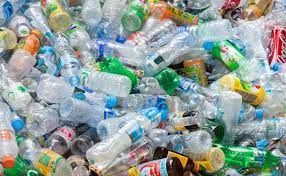
Residents could bring recyclable materials such as paper and cardboard, glass and metals, plastics and plastic caps, electrical and electronic waste, used vegetable oil (in tightly closed plastic bottles), eco bottles, fabrics, rags, and used tires.
According to Cecilia Laffaye, head of the Subsecretary of Environment, the importance of the campaign lies in demonstrating the commitment of residents to environmental actions throughout 2024 and she assured that the city will continue working to stay clean.
On the other hand, Barbara Schwindt, Environmental Coordinator, emphasized the intention to centralize the collection of recyclable materials in an accessible point to facilitate family participation. She also stressed the importance of collaborating with the campaign for “descacharrado,” taking containers and out-of-use tires to prevent the proliferation of mosquitoes.
## Talk on composting as part of the comprehensive recycling campaign
As part of the Junín Recycles campaign, a talk on composting was scheduled at the Beto Mesa Sports Center. In this regard, Schwindt explained that these actions aim not only to keep the city clean but also to provide residents with tools to better manage their waste and extend the life of the landfill.
### The benefits of compost
Composting organic waste has many benefits, including:
– **Improves soil fertility:** this practice provides nutrients and microorganisms that help make the soil more fertile.
– **Reduces dependence on chemical fertilizers:** it represents an alternative to chemical fertilizers, as it contains nutrients such as nitrogen, phosphorus, and potassium.
– **Prevents soil erosion and degradation:** it improves soil structure, which helps prevent erosion and degradation.
– **Reduces greenhouse gas emissions:** it reduces the amount of organic waste sent to landfills and incinerators, which decreases methane and carbon dioxide emissions.
– **Contributes to plant health:** it helps plants grow healthily and resilient, making them less prone to pests and diseases.
– **Is an economical alternative:** it can be a cost-effective alternative to the use of chemical fertilizers.
**[Do you already know our YouTube channel? Subscribe!](https://www.youtube.com/channel/UCrYLIWysAyv4m833zGAQ02g)**



