



The town of **Lincoln** in Buenos Aires will start providing the service of **[differentiated waste collection](https://noticiasambientales.com/residuos/gestion-sustentable-de-residuos-en-buenos-aires-la-ciudad-de-tornquist-avanza-con-el-cierre-de-basurales-a-cielo-abierto/)**.
**[Therefore, the Municipality](https://www.lincoln.gob.ar/)**, in collaboration with the company **Agrotécnica Fueguina S.A**., has launched an awareness campaign as part of the **”Cleaner Lincoln”** program.
The goal is to prepare the population for the **implementation of a new differentiated waste collection service**, which will allow the recycling of clean and dry materials.
## How to separate waste at home
Differentiated collection is based on **[separation at the source](https://noticiasambientales.com/residuos/reciclaje-en-argentina-un-estudio-revela-que-el-esfuerzo-individual-crece-pero-necesita-respaldo-institucional-y-empresarial/)**, which means that each neighbor must separate **recyclable waste** (plastic, paper, cardboard, glass, and aluminum) from **organic waste**.
The population has been advised by the Environmental Department that it is essential for **recyclable materials to be kept clean and dry** in a separate bag for later collection.
## How the new collection service and green points will work
The new service will have a **weekly frequency and will be added to the existing collection schedule**. Each neighborhood in the city will have a specific day for recyclable waste.
The implementation will start on **Tuesday, September 30** in the **Plaza España** neighborhood, from **7 a.m. to 2 p.m.** Gradually, the service will be extended to the rest of the city’s neighborhoods.
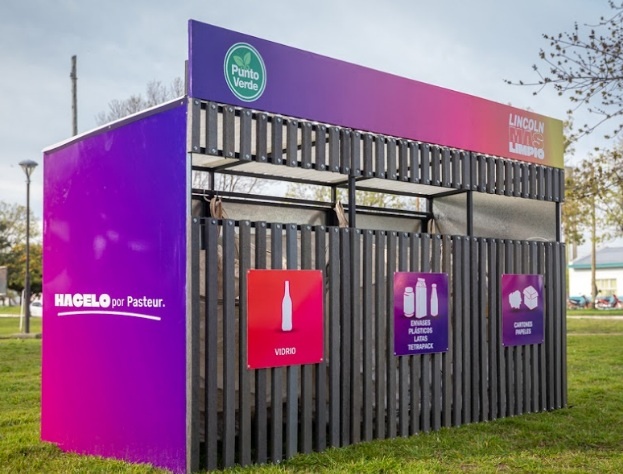
In addition to door-to-door collection, **”Green Points” are being installed in the district’s towns**, such as **Pasteur, Roberts, and Arenaza**. These points consist of mobile bins where residents can deposit their recyclables. Local cooperatives will be responsible for collecting and managing these materials.
## Recycling: the importance of separation at the source
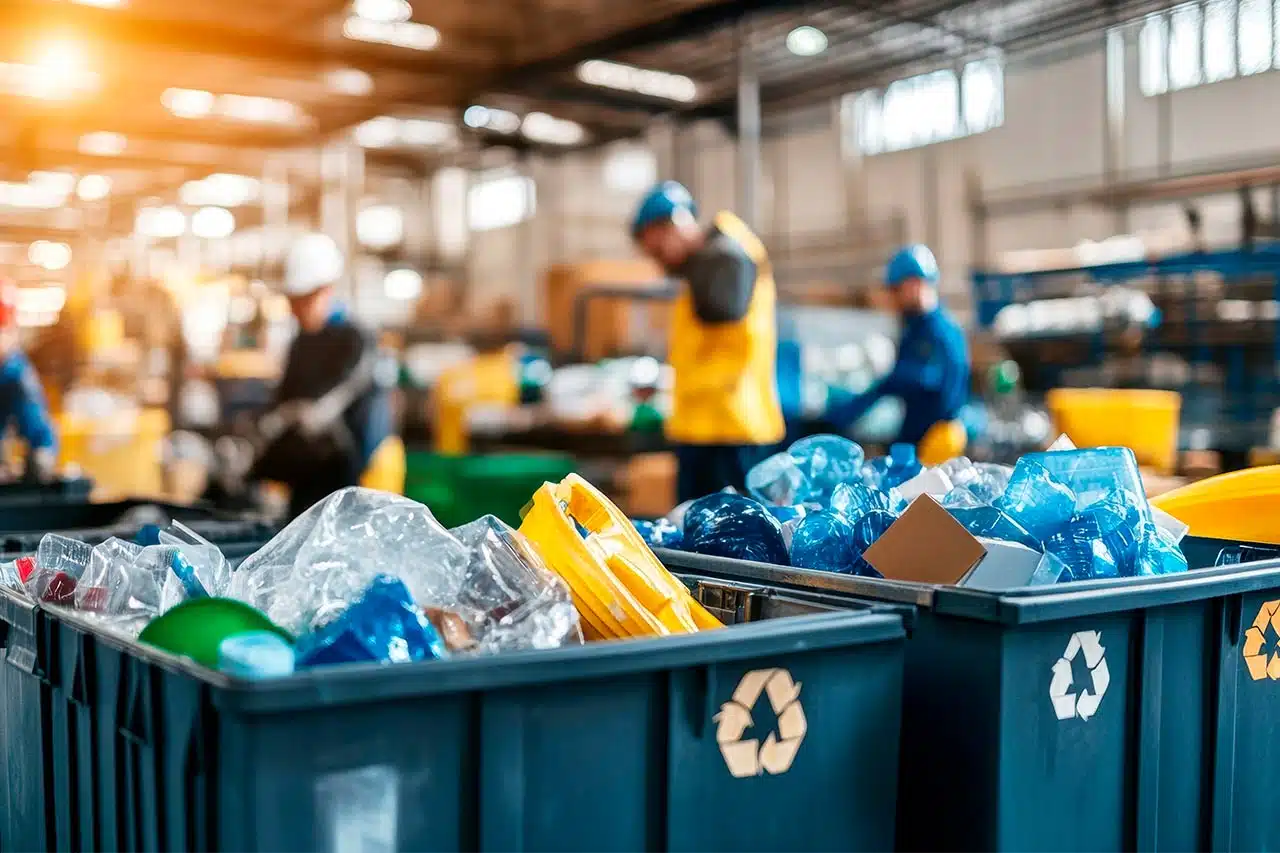
**Separation of waste at the source** is a fundamental pillar for modern waste management and has a direct and positive impact on both the environment and the economy. This is because it contributes to:
– **Protecting the environment:** when waste is mixed, **valuable materials such as paper, plastic, glass, and metal are contaminated** with food scraps and other organic waste, making their recycling much more difficult or even impossible.
– **Saving energy and resources:** producing materials from **virgin raw materials** (such as oil for plastic or sand for glass) consumes a huge amount of energy and natural resources. Recycling these materials **requires much less energy** and helps conserve non-renewable resources.
– **Reducing pollution:** less waste in landfills means less soil and groundwater pollution.
– **Promoting the circular economy:** separation at the source is the first step towards a **circular economy**, where new **industries, jobs, and business opportunities** are created in the recycling and waste management sector.
– **Improving the quality of recyclable materials:** separated and clean materials have a higher value in the market. By putting paper, cardboard, plastics, and glass in separate and good condition bags, it ensures that urban recyclers and recycling cooperatives can work more efficiently.


