



The Funes y Peña university complex, headquarters of the National University of Mar del Plata (UNMdP), was the scene of a new edition of community recycling with a new Recyclable Materials Reception Day, which achieved a massive response.
Only in technological waste, more than 3,500 kilos were collected, accompanied by plastic bottles, glass, expired medications, unused glasses, and reusable items such as clothing and footwear.
Circular economy and citizen commitment
The organizers celebrated the results of a day that is sustained over time and allows to revalue waste through the recovery of metals, plastics, and electronic components. The final report details:
- 3.5 tons of WEEE (Waste Electrical and Electronic Equipment)
- 230 kg of paper, cardboard, plastic, and metals
- 400 eco bottles and 240 kg of plastic caps
- 135 liters of used vegetable oil
- 200 aluminum cans
- 40,000 expired medications
- 280 unused glasses, transferred to Solidarity Friends for Health
Donations with immediate impact: clothing, footwear, and everyday items
The day also allowed to collect reusable items that were donated to the Maternal and Regional Hospital Cooperative:
- 886 adult garments and 308 children’s garments
- 44 pairs of adult shoes and 4 pairs for children
- 41 packs of diapers and 3 nebulizers
- 43 units of white clothing
- 15 children’s books, a food processor, a hand blender, and two pairs of skates
Why is it crucial to recycle electronic waste?
The recycling of electronic waste is essential to protect human health and the environment, as it avoids the release of lead, mercury, and cadmium, highly polluting substances. It also allows:
Environmental protection
- Reduction of air, water, and soil pollution
- Decrease in carbon footprint by avoiding new productions
Resource conservation
- Recovery of valuable metals such as copper, silver, and aluminum
- Relief of pressure on limited natural resources
Economic and social benefits
- Generation of green jobs in the recycling sector
- Compliance with environmental regulations by companies
- Economic value of reusable components
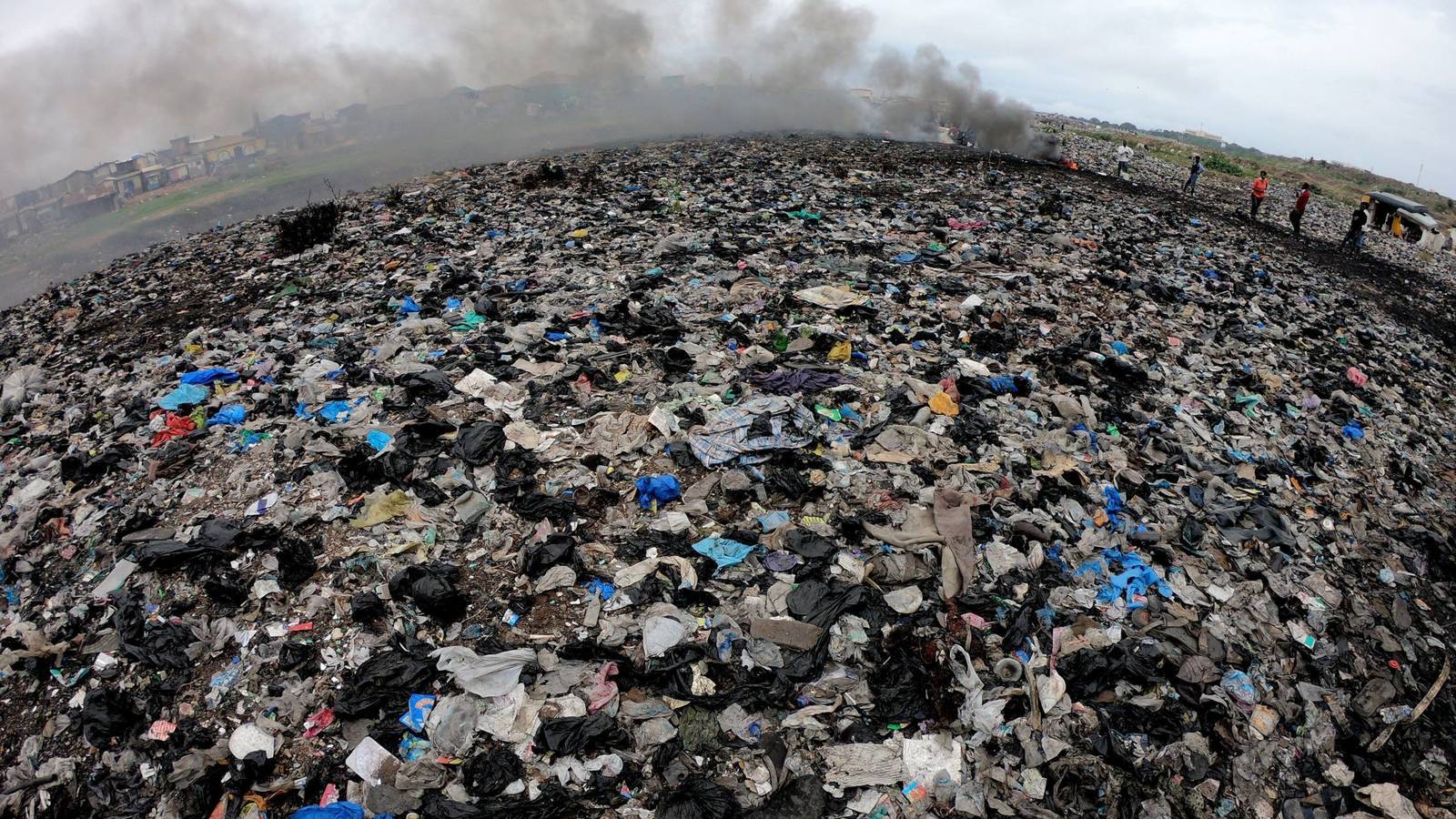
A global challenge: increasing volume and low recycling rate
The inadequate management of WEEE particularly affects developing countries.
The amount of electronic waste generated worldwide is growing rapidly, while its recycling rate remains alarmingly low. This generates:
- Public health problems
- Severe environmental impacts
- Loss of economic opportunities and valuable materials
Recycling is caring: a day that transforms waste into resources
The experience of Mar del Plata demonstrates that community commitment can bring about real changes.
The 13th Recyclable Materials Reception Day not only managed to collect tons of waste, but also strengthened environmental awareness, promoted the circular economy, and generated concrete benefits for local institutions. A proof that recycling is much more than just separating: it is building the future.
Cover photo: Ahora Mar del Plata


