



Since 2019, Mendoza has the Provincial Law 9143, a regulation aimed at controlling the management of used tires (NFU) and reducing their environmental impact.
Last Monday, the Deliberative Council of Las Heras officially adhered to the law, ratifying the local commitment to strengthen a more sustainable waste management.
The regulation prohibits the abandonment, burning, or open-air accumulation of tires, except in one specific case: those used in mega-mining machinery, which are not covered by its regulatory scope.
An exception that raises questions
From the Ministry of Environment and Climate Change of Mendoza, it was explained that the exclusion of NFU from the mining sector is due to the existence of specific management protocols in the international arena, such as the NI43-101 standard, which includes its own treatment plans for this type of waste.
Although Mendoza currently does not have active mega-mining projects, the provincial government is promoting their reactivation, and the exclusion highlights a regulatory gap in case these ventures start operating.
In this regard, it is clarified that mining companies must include a tire management plan in their Environmental Impact Declaration (DIA). If this aspect is not included, the government demands its incorporation as a condition for approval.
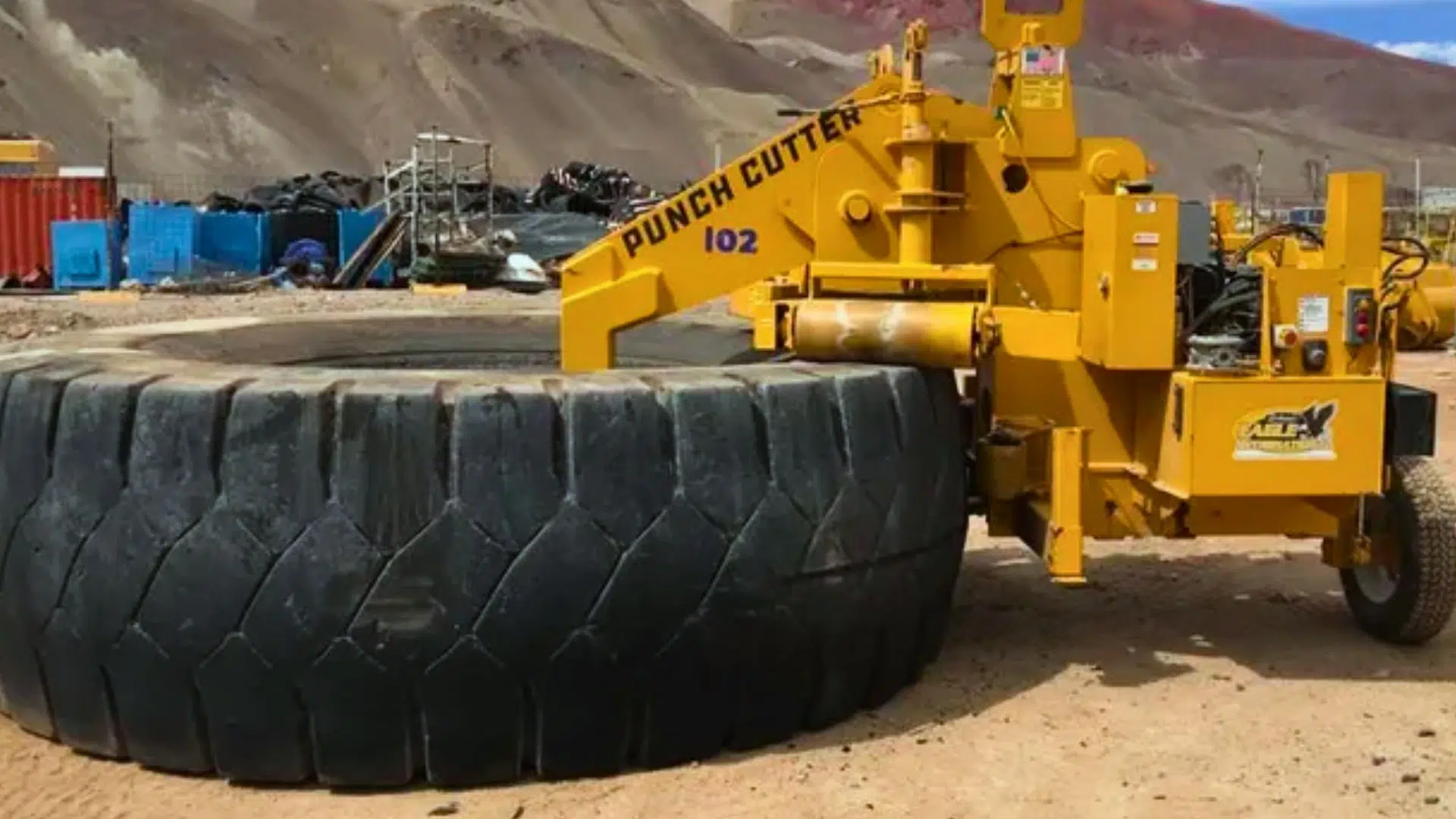
Mining tires: high volume, high environmental risk
Off-road truck tires used in mega-mining can exceed 1,000 kilograms in weight, and their lifespan is limited to about a year. Improper disposal represents a serious environmental risk, as they can take over 500 years to degrade if not properly treated.
Provinces like San Juan and Catamarca have already started to implement specific recycling plants for these tires as part of their circular economy strategies. At a regional level, Chile is advancing with an Extended Producer Responsibility Law (REP) that includes these industrial waste within its regulatory scope.
The case of Mendoza: tension between mining development and environmental regulation
The PSJ Cobre Mendocino Project (San Jorge), one of the most advanced in the province, could be operational by 2027 if it manages to overcome legislative approval and comply with the established environmental requirements. Nonetheless, Law 9143 does not define what will happen with NFU from mega-mining machinery, leaving the need to establish specific criteria for their management open.
From the Environment sector, they acknowledge that “there are still no mining projects in operation, so the implementation is pending.” Meanwhile, conventional tires are the only ones regulated by the current law, and those from the mining sector would be covered by general international regulations.


