



Cleaning the oceans of plastics starts on solid ground. The NGO Clean Ocean focused its action on the Las Vacas River, one of the most polluted in the world, located in Guatemala. There, up to 40 tons of garbage are removed daily.
This tributary carries sewage, plastic waste, clothing, and even human waste, before flowing into the sea. The environmental impact is severe, not only due to water pollution but also because of risks to public health.
To stop this flow of pollution, Clean Ocean installed collector barriers that filter floating garbage. These metal structures capture waste before it reaches the ocean, with effective results of up to 90%.
The extracted waste is not discarded: it is sorted and reused in consumer products. Some plastics collected in Las Vacas were even transformed into vinyl records.
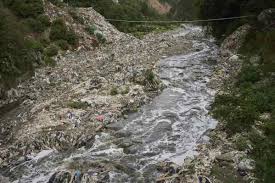
Plastic Pollution in Guatemala: a Growing Problem
Guatemala faces a serious environmental crisis due to the accumulation of plastic waste. Every year, thousands of tons of garbage end up in its rivers and lakes, with a direct impact on biodiversity and human health.
The waste management system is limited, and a large part of the generated waste is neither recycled nor properly disposed of. This causes rivers like Las Vacas to become channels of waste towards the sea.
In addition to affecting aquatic ecosystems, plastic pollution blocks drains, contaminates sources of drinking water, and contributes to diseases. The problem demands urgent actions from the government, industry, and citizens.
In this sense, the initiative of the NGO Clean Ocean demonstrates that acting on rivers is key not only for the health of the tributaries, but also for the oceans. Furthermore, it promotes circular models that turn pollution into useful and sustainable resources.



