



Between the second half of December and Three Kings’ Day (January 6), the production of recyclable and wet waste in Argentina increases by around 30%.
The high level of waste continues during the summer, especially in tourist areas, where the large influx of visitors and intensive consumption generate a significant environmental impact.
This scenario exacerbates an already critical problem: the growth of open-air dumps and other forms of pollution.
The proposal of Creando Conciencia
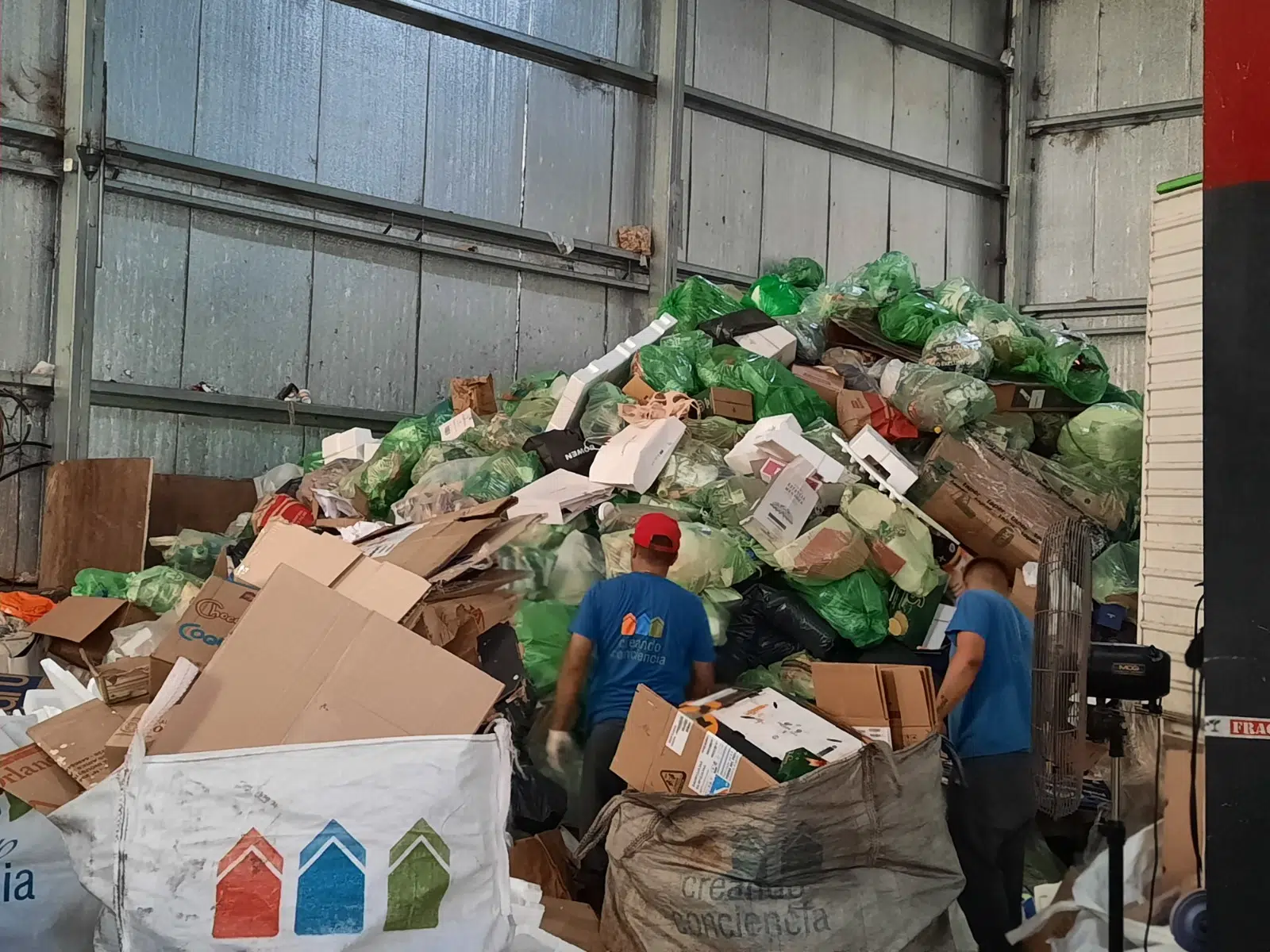
The cooperative Creando Conciencia, dedicated to environmental care and the social reintegration of former waste pickers, issued a series of recommendations to facilitate the work of recyclers and reduce environmental damage.
The first step is to differentiate between recyclable, organic, and waste materials:
- Waste: materials without functionality that cannot be reincorporated into the production cycle.
- Recyclables: elements that can be transformed into new products.
- Organics: remains that can be turned into compost for the soil.
Recyclables should be taken to green points in the city, while organics can be composted at home to fertilize gardens, plants, and trees.
Composition of waste in Argentina
According to cooperative data, daily waste in the country is distributed as follows:
- 50% organic waste
- 17% paper and cardboard
- 14% plastic
- 5% glass
- 2% metals
- 12% others
What is recycled and what is not
Recyclables (clean and dry)
- Crystal and colored PET bottles
- Cleaning product containers (HDPE plastic)
- White PET and caps
- Styrofoam
- Bottles and glass containers
- Preserve cans, aerosols, deodorants, and soda cans
- Paper, cardboard, newspapers, and magazines
Non-recyclables
- Branches, grass, and gardening waste
- Soil and ceramics
- Construction waste
- Toilet paper, diapers, and feminine hygiene products
- Syringes
Organic waste is not accepted at recycling plants but can be separated and composted at home.
Positive impact of separation
Ramiro Martínez, president of Creando Conciencia, emphasized: “Every household that separates implies a considerable decrease in what accumulates in dumps. And all this results in less environmental pollution, as well as providing job opportunities for recyclers”.
Separating waste during high consumption periods multiplies the positive effect at the end of the chain, reducing pressure on the environment and strengthening the circular economy.
About Creando Conciencia
Founded in 2006 in the Tigre district, the cooperative was born out of concern for the final disposal of waste and the precarious working conditions of waste pickers. Today it has 51 members, collection contracts in neighborhoods of Benavídez and Tigre, and agreements with various companies.
Its dual objective is clear: environmental care and labor reintegration, demonstrating that responsible waste management can also be a tool for social inclusion.
On the need to separate waste
The increase in waste during the holidays and summer demands a collective commitment. Correctly separating waste not only reduces pollution and dumps but also strengthens the work of recyclers and promotes a more sustainable model.


