



Organic waste, those everyday leftovers that often end up in the trash, can have a second life thanks to composting. Fruit and vegetable peels, bread scraps, coffee grounds, and even dry leaves are some of the materials that, when decomposed, turn into a valuable natural fertilizer.
Unlike plastic or metal, organic waste has the ability to reintegrate into the natural cycle without polluting. Proper management helps reduce the amount of garbage destined for landfills, decreasing pollution and the generation of greenhouse gases such as methane.
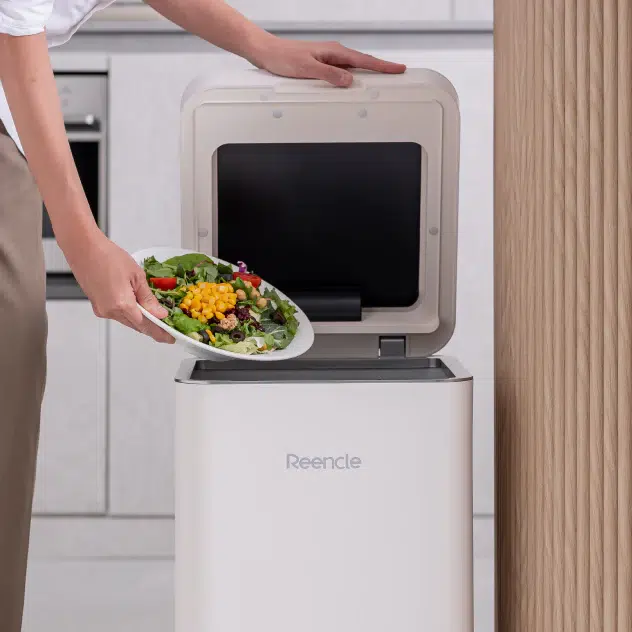
With this goal in mind, an innovative domestic composting machine, called Reencle, arrives to facilitate the transformation of these waste materials into compost. This device can process up to 2.5 kilograms of waste, turning them into compost in just 24 hours and without unpleasant odors.
Furthermore, its compact and silent design makes it ideal for any household. Thanks to a filtering system and its automatic operation, home composting becomes a simple and efficient task for any user.
An Ecological Ally in the Kitchen
Reencle is designed to easily integrate into household spaces, operating almost noiselessly and avoiding the emission of odors. Its technology reduces waste volume by 90%, producing a dry and easy-to-use compost.
The device includes filters, a shovel, and a small manual that facilitates its use. Even if you don’t have a garden, the compost can be used in pots or shared with neighbors and urban gardens.
Although its cost ranges between $500 and $650, and its availability in Argentina is limited to purchases through international platforms, its proposal aims to revolutionize the way we manage our waste at home.
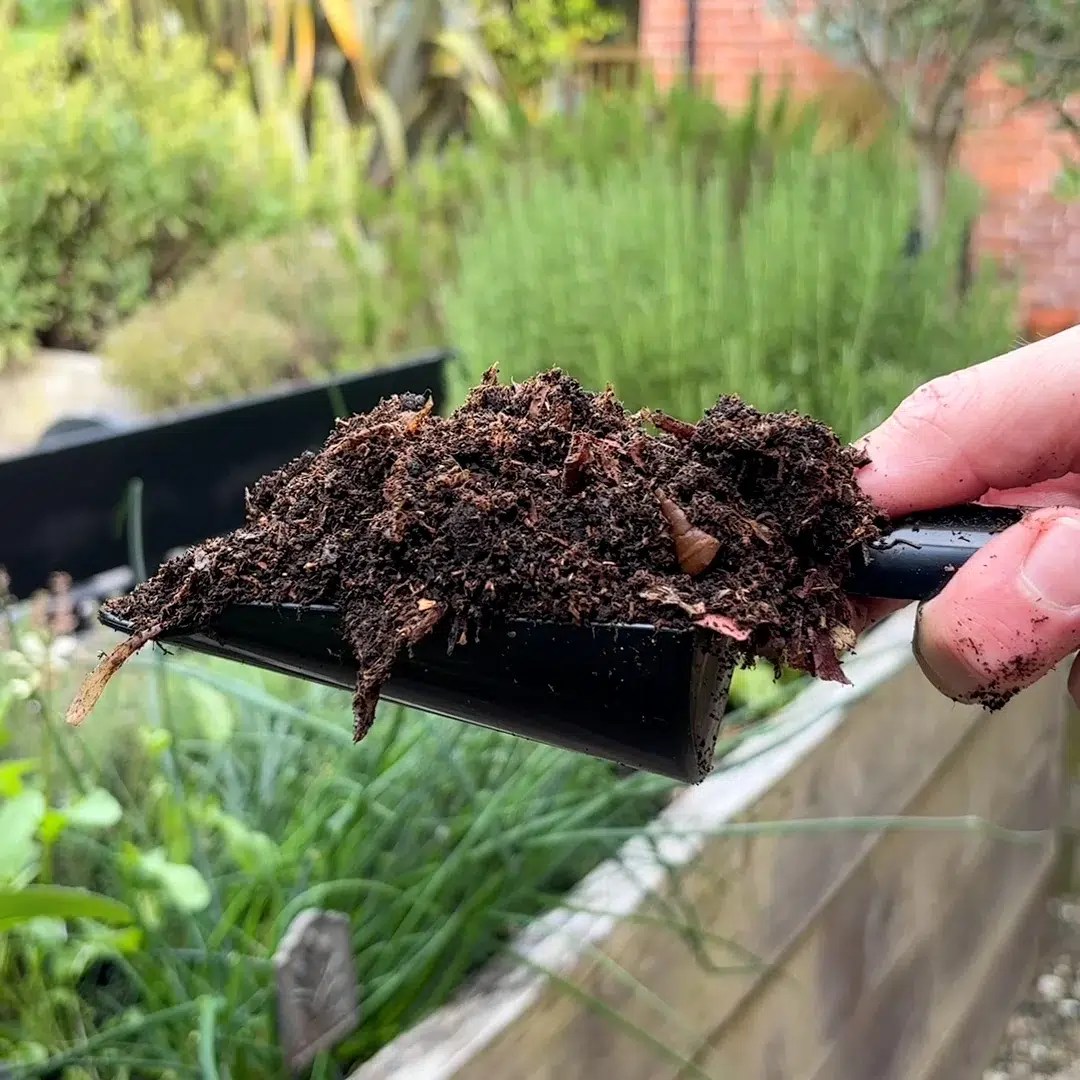 Compost at home. Photo: Reencle.
The Benefits of Composting for the Environment
Composting not only reduces the amount of waste, but also avoids methane emissions, a greenhouse gas generated when organic waste decomposes without oxygen in landfills.
Additionally, compost improves soil quality, provides natural nutrients, and reduces the need for chemical fertilizers, promoting more sustainable agriculture and gardening.
This practice also promotes the circular economy, where waste stops being garbage to become valuable resources. Incorporating composting into households represents a small but significant step towards more conscious consumption and an effective reduction of environmental impact.



