



The presence of a triangle with a number on the base of bottles and plastic containers is often interpreted as a sign that this object can be recycled. However, specialists in waste management warn that this belief is incorrect and that it constitutes one of the main causes of errors during household separation.
In reality, the numeric symbol from 1 to 7 identifies the type of plastic resin used to manufacture the container. Its purpose is to facilitate the classification of materials during industrial processes and not to indicate whether the product will be accepted by local recycling systems.
This difference is fundamental to improving waste recovery and preventing incompatible materials from entering treatment plants, where they can affect the functioning of the entire recycling chain.
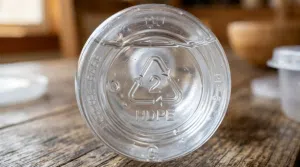
The mistake that hinders the recycling of thousands of containers
The confusion has led to a practice known as “wishcycling”, which involves placing in recycling bins any object that appears to be recoverable solely because it bears the triangle symbol.
Although the intention is to promote environmental care, this behavior often produces the opposite effect. When materials that are not accepted are mixed with those that can be recycled, contamination of the waste increases and the efficiency of the recovery process decreases.
For this reason, specialists recommend always checking which materials are accepted by each municipality or recycling cooperative, as the recycling possibilities vary depending on the infrastructure available in each region.
Each type of plastic requires a different treatment
The identification codes allow distinguishing the different resins used in the manufacture of containers. Among them, PET (1), found in beverage bottles and some food containers, is among the materials with the highest recovery rates.
Also, HDPE (2), used in milk containers, cleaning products, and cosmetics, is often part of the most widespread recycling programs due to its ease of processing.
In contrast, materials such as PVC (3), LDPE (4), polypropylene (5), polystyrene or styrofoam (6) and mixed plastics grouped under code 7 present greater difficulties for recovery or depend on specific facilities that are not available in all cities.
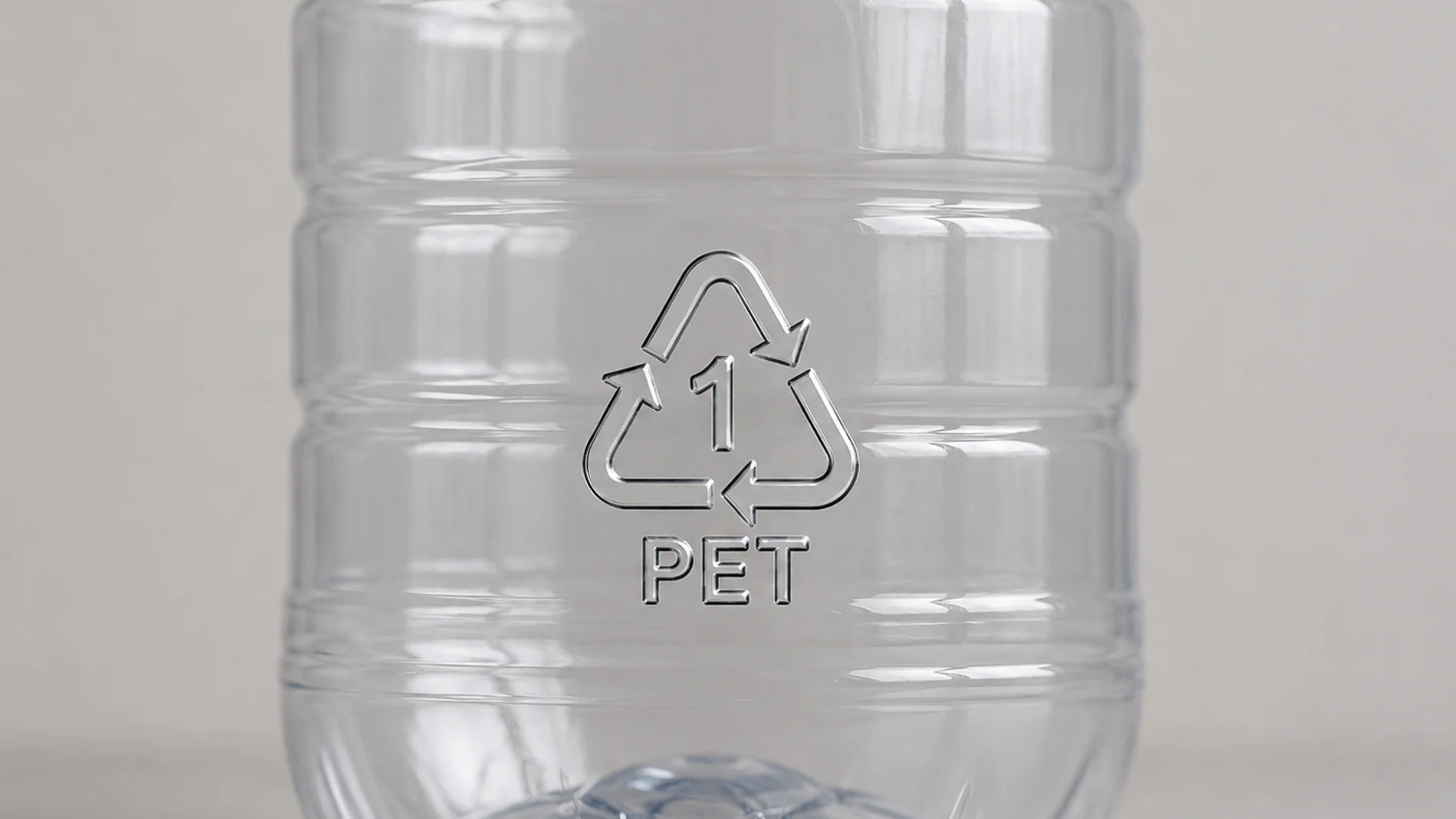
How plastic containers are classified for recycling
The international classification of plastic containers uses a system of seven identification codes that facilitates the industrial separation of materials. Number 1 corresponds to PET; 2 to HDPE; 3 to PVC; 4 to LDPE; 5 to polypropylene; 6 to polystyrene and 7 groups mixed plastics or other resins that do not fit into the previous categories.
This identification does not establish the recyclability of the container, but only the type of polymer used during its manufacture. Therefore, a container identified with any of these numbers may or may not be accepted by local recovery systems, depending on the technology available.
Understanding this classification allows better waste separation, reduces contamination of recyclable materials, and strengthens the circular economy. Additionally, it promotes more efficient resource utilization, decreases the amount of waste sent to landfills, and helps reduce the environmental impact generated by single-use plastics.



