



Students from the “Regina Virginum de Adoratrices” school in Villa Crespo, CABA presented an innovative bill at the Buenos Aires City Legislature called “Breathing without allergies”.
It aims to address a little-discussed public health issue that is very prevalent among the population. The impact of urban trees on allergies.
The initiative proposes the gradual replacement of plane trees in the City of Buenos Aires, which often cause allergies or health discomfort, with native species or those with low allergenic potential.
Allergy-free: why replace the plane trees
With a population of between 36,000 and 70,000 specimens, plane trees make up approximately 15% of the city’s tree population.
While they are valued for their shade and presence on iconic avenues, their pollen and the fluff they release in spring and autumn are among the main causes of respiratory and ocular allergies.
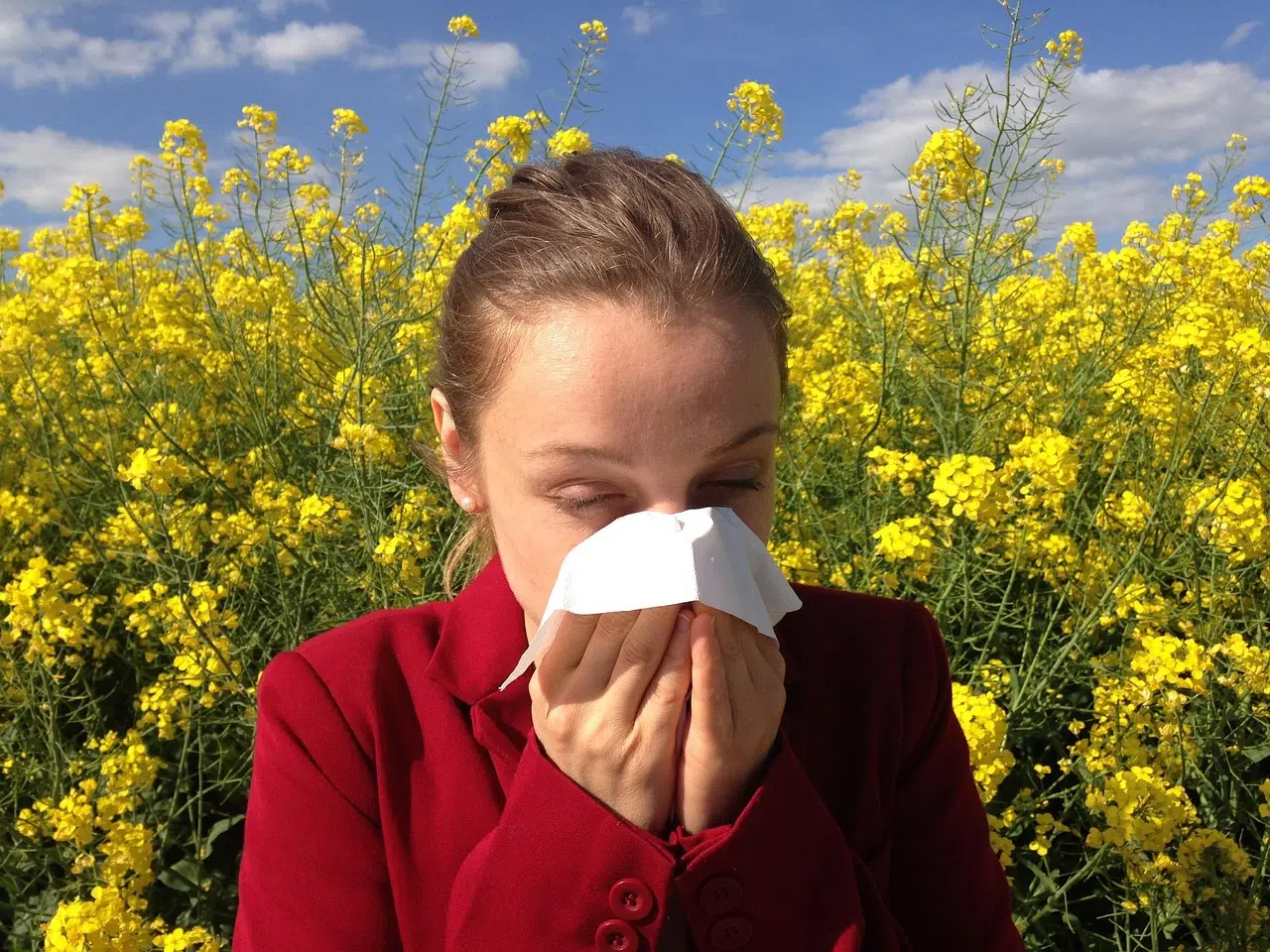
This issue particularly affects vulnerable groups such as children, the elderly, and patients with respiratory diseases, causing a negative impact on the quality of life of thousands of residents.
A progressive plan with a focus on health: what the project says
The project establishes a progressive replacement over ten years, starting in Commune 15, where the school promoting the project is located. It would then be extended to the rest of the neighborhoods in Buenos Aires.
The plan prioritizes replacement within a radius of 200 meters from schools, hospitals, health centers, and geriatric residences. In this way, it seeks to protect the populations at higher risk.
The students emphasized that the idea is not to “eliminate trees”, but to replace them with others that fulfill essential functions of shade and biodiversity, without causing diseases.
Biodiversity and citizen participation
The proposal suggests that the new specimens be native trees or adapted to the urban environment of Buenos Aires, fast-growing and with no allergenic potential. The competent authority must create an official list of authorized species to promote biodiversity and ecological balance.

A central aspect of the project is citizen participation. It includes community planting and care events, as well as awareness campaigns and educational activities in schools.
For teachers, this pedagogical approach was crucial. It not only taught students about the environment and health, but also about the process of creating laws and the power of community participation to generate real change.
The project is based on the rights to a healthy environment and to comprehensive health, recognized by the Constitution of the City.
The students argue that the State has an obligation to act when a species of public trees affects the population’s health, thus promoting a healthier and more sustainable public tree population.



