



A new **global report** positions Argentina at the top of the regional podium in terms of **quality of life**.
According to the **Global Livability Index 2025**, developed and published by **The Economist Intelligence Unit** (EIU) — the prestigious analysis and research unit of The Economist — **Buenos Aires has obtained the highest score, consolidating itself as the city with the [best quality of life in all of Latin America](https://noticiasambientales.com/energia/los-planes-de-las-grandes-ciudades-del-mundo-para-acelerar-la-transicion-hacia-un-transporte-publico-sin-emisiones/)**.
At the **opposite end** of the regional spectrum, the **Venezuelan capital**, Caracas, closes the list, positioning itself as one of the **least habitable cities** in the continent and the world.
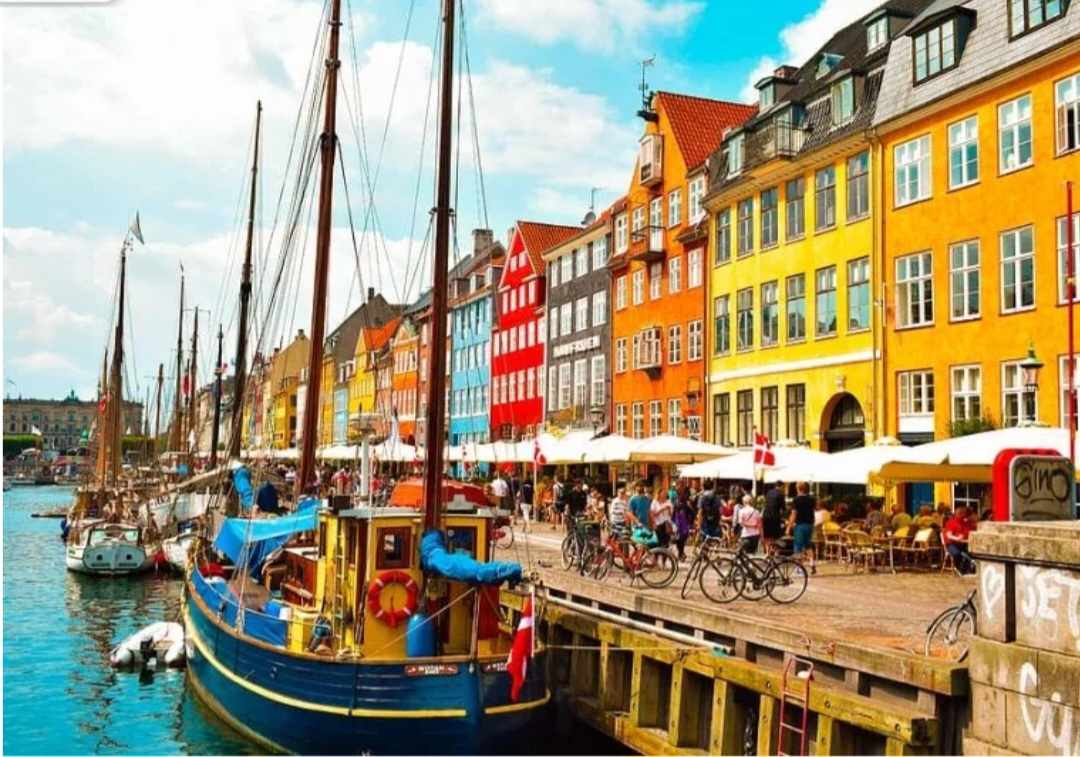
The **EIU report**, which ranks **173 cities** around the globe, assesses and [presents a comprehensive **life conditions** classification](https://noticiasambientales.com/turismo/el-rosedal-secreto-de-buenos-aires-una-joya-escondida-con-mas-de-3600-rosales/) that different places offer to their inhabitants.
Its purpose is to **identify** those **urban environments** that better (or worse) meet people’s expectations, confronting them with the challenges inherent to life in a **specific place**.
## Unraveling the Index: How is global quality of life measured?
To develop this **influential** index, The Economist Intelligence Unit subjects each of the **173 analyzed cities** to a rigorous evaluation.
Each city receives a score based on **more than 30 qualitative and quantitative factors**, grouped into five fundamental categories: **stability, healthcare, culture and [environment](https://noticiasambientales.com/medio-ambiente/mas-de-19-mil-jacarandas-florecidos-tinen-de-violeta-las-calles-de-la-ciudad-de-buenos-aires/), education, and infrastructure**.
The methodology implies that each factor is rated by expert respondents on a scale ranging from “**acceptable**,” “**tolerable**,” “**uncomfortable**,” “**undesirable**” to “**intolerable**.”
The final result of this evaluation process is not merely a hierarchical list.
The obtained ranking provides a profound insight into **which urban models demonstrate superior resilience** over time and changing global conditions, and which, on the contrary, begin to show **worrisome** fissures in their **well-being structure**.
## A new global leader: Copenhagen dethrones Vienna on the world stage
The results of the Global Livability Index for this **2025** bring a significant change at the **top** of the **worldwide ranking**. The Danish city of **Copenhagen** has managed to climb to the top of the overall ranking, **overtaking Vienna**, the Austrian capital, which had held the gold medal as the city with the **best quality of life** for three **consecutive years**.

While **Vienna** surpassed the **Danish city** in the healthcare category, Copenhagen obtained the highest scores in decisive factors such as **stability, [education, and infrastructure](https://noticiasambientales.com/innovacion/copenhague-la-ciudad-verde-de-dinamarca-de-revolucion-urbana-que-combina-el-uso-de-residuos-bicicletas-y-disenoborrador-automatico/)**, elements that finally propelled it to the top global position.
Following **Copenhagen** and Vienna in the select group of cities with the highest **quality of life**, the ranking highlights **Zurich, Melbourne, Geneva, and Sydney**, consolidating the European and **oceanic** presence in the top positions.
The report also points out some of the most notable improvements and declines. **Al Khobar (Saudi Arabia)** stands out for climbing 13 positions, showing significant improvements in **health** and **education** categories.
In contrast, **Calgary (Canada)** experienced a noticeable decline, dropping from 5th to 18th place, making it the city that lost the most positions in the current **global ranking**.
Similarly, **Manchester, London, and Edinburgh** in the UK also featured among the metropolises that recorded the most significant declines, mainly due to their low scores in the stability index.
At the most **critical** end of the global classification, **Damascus (Syria)** remains the least habitable city of the 173 evaluated, closely followed by **Tripoli (Libya), Dhaka (Bangladesh), and Karachi (Pakistan)**, reflecting the impact of conflicts, **instability**, and structural challenges.
## Buenos Aires and Caracas: The Two Extremes of the Latin American Spectrum
Within the Latin American regional panorama, the **diversity** in **quality of life** is pronounced, with **Buenos Aires leading with the highest score**.
It is followed by **Santiago (Chile)**, which ranks 57th globally with 77.3 points, consolidating itself as the second-best city in the region.
**Montevideo (Uruguay)** ranks closely in the third regional place, in the 59th global position with 76.7 points.

In fourth and fifth place in Latin America are **San Juan (Puerto Rico) and Lima (Peru)**, ranking 87th (with 64.7 points) and 99th (with 59.3 points) globally, respectively.
At the opposite end of the **Latin American ranking**, the situation of **Caracas (Venezuela)** is alarming.
With a score of only 44.9 points, it is positioned not only as one of the cities with the **worst quality of life** in Latin America but also among the **ten worst globally**, reflecting the deep **socioeconomic crisis** it is going through.
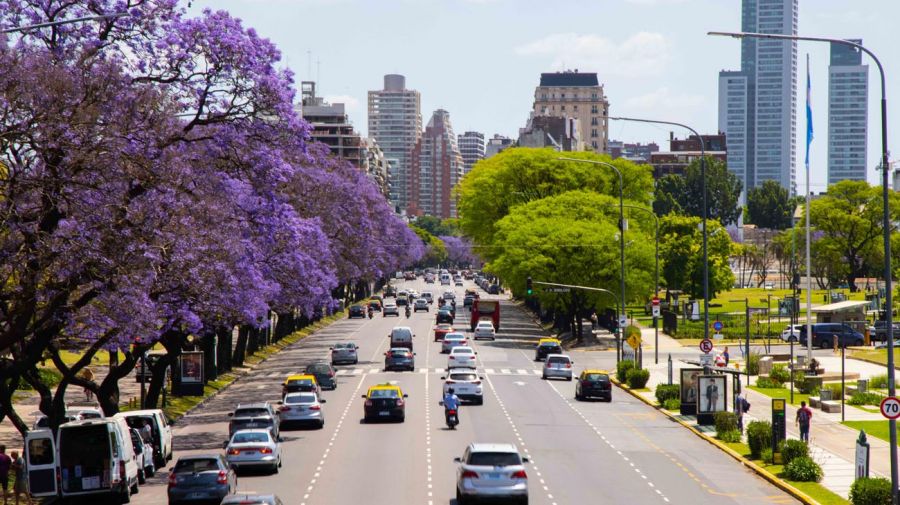
Buenos Aires’ performance and **quality of life** in this prestigious index underscore the appeal of the **Argentinian capital** as a vibrant urban center that, despite its own challenges, manages to offer a superior **living environment** compared to other **major metropolises** in the region.
—




