



This Monday, Chile advanced in an unprecedented project in the region, which seeks to require employers to grant a work leave for pet death.
Thus, Chile is on its way to becoming one of the first countries in the region to recognize the emotional bond between people and their companion animals.
The project took a step forward this Monday, when the Chamber of Deputies gave half approval to the project.
Now, the Senate must evaluate the proposal that seeks to give workers a one-day work leave for the death of a pet.
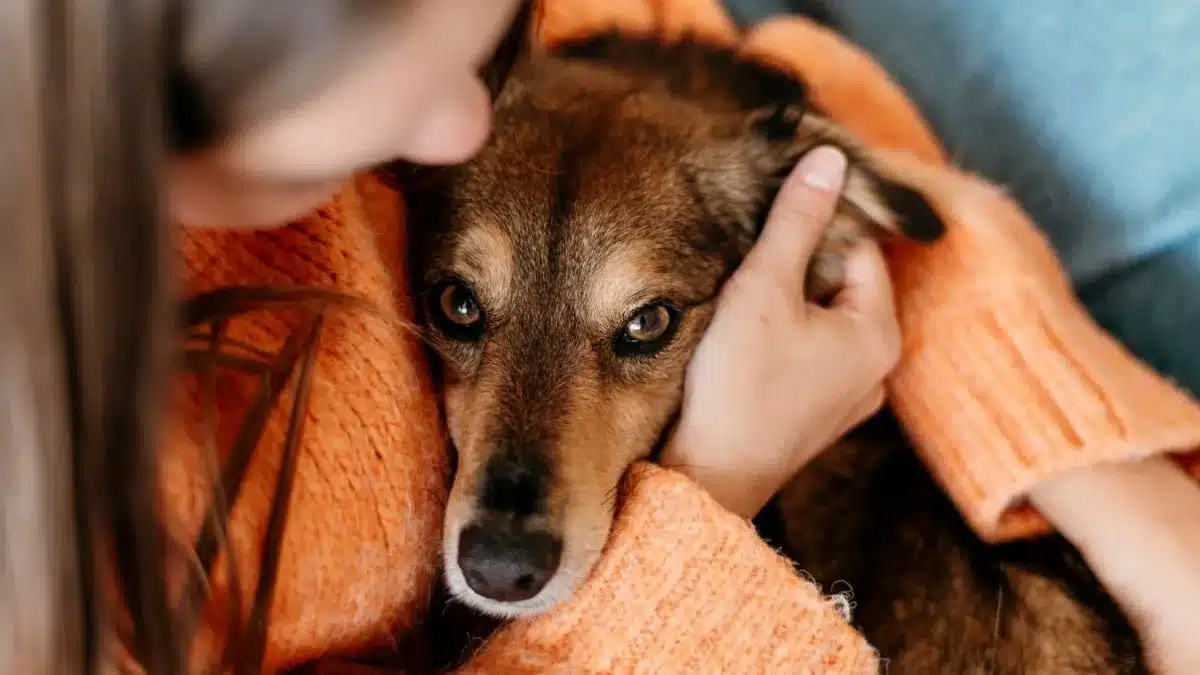
How would the work leave for pet death analyzed by Chile be
The text establishes one day of paid work leave for workers upon the death of their pets or companion animals.
However, it includes a particular condition: the worker must return the day within the following 90 days after the leave.
The work leave for pet death will only be granted to those who are listed as the animal’s owner in the National Pet Registry.
Currently, this system only allows the registration of dogs and cats with an implanted microchip or alphanumeric code.
To request the benefit, the worker must notify the employer by showing the documentation that certifies the death.
The leave can be used within the 5 days following the animal’s death.
The project considers pets or companion animals to be those domestic animals, regardless of their species, that are kept for companionship or security purposes.
Animals whose ownership is regulated by special laws are excluded.

How was the debate in Deputies
The initiative to approve a work leave for pet death had 109 votes in favor, 7 against, and 6 abstentions.
The negative votes came from republican deputies such as Cristian Araya, Juan Irarrázaval, Benjamín Moreno, Agustín Romero, and Luis Sánchez, in addition to UDI parliamentarian Flor Weisse.
Among the abstentions were Johannes Kaiser, Leonidas Romero, Gonzalo de la Carrera, Jorge Durán, Paula Labra, and Juan Fuenzalida.
Now, the project will move to a second instance in the Senate.
José Miguel Castro, president of the Lower House, celebrated the approval: “Very happy because this law is not about giving a benefit to the pet, it is a benefit for people“.
The parliamentarian added that the measure gives “sensibility and is a step forward for this society to keep growing”.
He also highlighted that it will allow providing peace of mind to people who feel the animal as part of their family.
Supporters of the project argue that it seeks to “humanize” the work environment, not to encourage work absenteeism.
Castro mentioned that it will help people to “organize their things” and explain to children “what the transition from life to death means”.
In contrast, detractors criticized that “it is intended to humanize an animal as if it were a close relative”.
They argue that workers already have existing leave that they could use in case of losing their pet.
The initiative represents a recognition of the emotional bond between people and their companion animals, although it will have to face the debate in the Senate before becoming law.




