



In a hyperconnected world, Generation Z —born between 1995 and 2009— is shaping a new way of living that combines technology, introspection, and sustainability.
Although they feel comfortable in the digital environment, they also seek balance with the physical and the everyday, choosing practices that promote authenticity, well-being, and real connection.
Return to paper, outdoors, and daily rituals
19% of young people claim to read exclusively in physical format, joining book clubs and rediscovering the pleasure of outdoor walks.
They prefer daytime plans over nightlife, and gravitate towards cafés with a relaxed atmosphere, where matcha, soft music, and slow life style become symbols of a new aesthetic of well-being.
Recovery of domestic knowledge and sustainable practices
Far from nostalgia, this generation rescues domestic habits such as cooking homemade recipes, repairing furniture, recycling objects, or sewing garments, practices that seemed forgotten before.
According to specialists, these actions respond to a search for authenticity and an ecological awareness that recognizes the value of simplicity and durability.
Conscious consumption and purposeful aesthetics
Authenticity has become the central value for this generation. They seek coherence and transparency in the products they consume, in the people around them, and in the institutions they engage with.
According to the consulting firm Kantar, they choose vintage or sustainable options not only for aesthetics, but for environmental awareness and, in many cases, out of economic necessity.
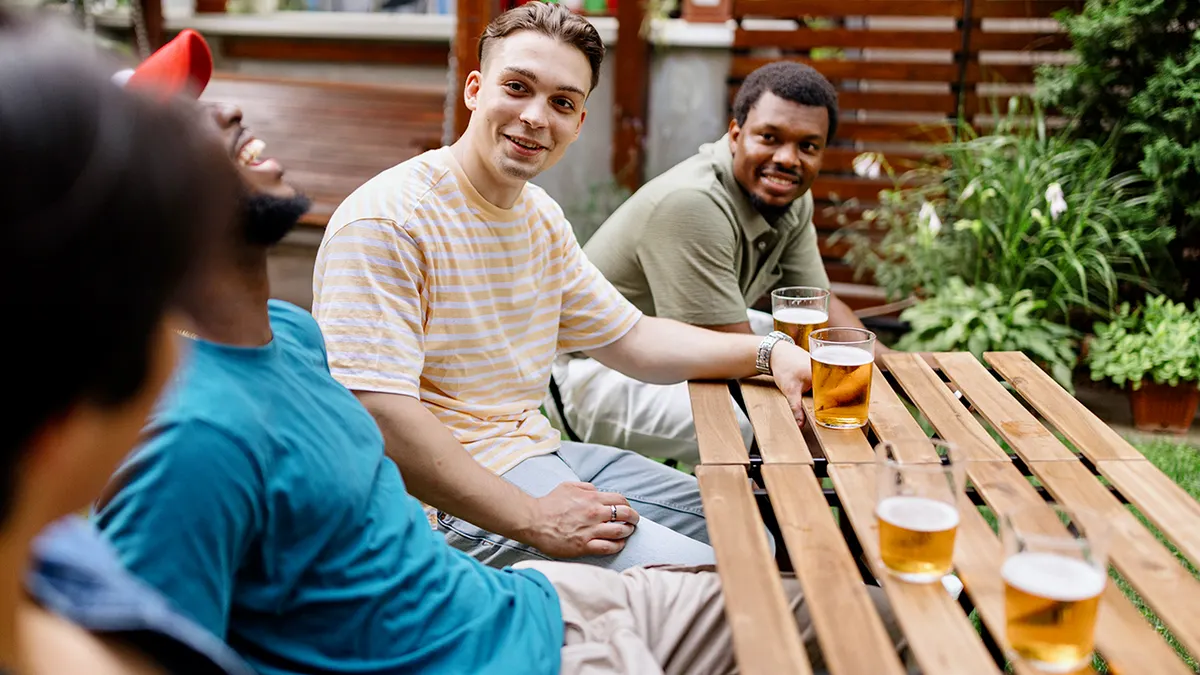
Well-being and health: Abandoning alcohol as a symbol of transformation
The reduction in alcohol consumption among young people reflects a profound transformation in their values. According to Madison Schmidt, a researcher at New York University, this trend is part of a health fever that permeates the entire generation.
Alcohol is perceived as a risk factor, and its abandonment is linked to a new form of socialization focused on physical and emotional well-being.
Recent data shows that the percentage of Americans meeting exercise guidelines increased from 18% in 2008 to 24% in 2018, while the wellness industry —which includes products for sleep, fitness, and mindfulness— reached a value of USD 2 trillion, with a 33% growth since 2021, according to McKinsey.
A generation that sets the course towards simplicity and consciousness
Between modernity and tradition, Generation Z is building a healthier and more authentic future.
Far from replicating millennial models, Generation Z opts for community, transparency, and the essential, redefining the present with practices that reclaim the past and project a more balanced future.




