



In a time where responsible waste management and plant care are becoming everyday practices, composting at home emerges as an accessible and sustainable option. Even those living in <strong/apartments or with small balconies can make their own homemade compost, using organic waste and recyclable materials.
Compost is a natural fertilizer made from the decomposition of plant-based foods, facilitated by the action of California worms. This process transforms waste into fertile soil, ideal for nourishing pots, urban gardens, or vertical gardens.
How to build a compact composter
Materials needed:
- Wooden box with nylon base
- Organic food scraps
- California worms
- Fertile soil as substrate
Steps:
- Place the nylon on the base of the box to prevent leaks
- Add a layer of brown materials (rich in carbon): dry leaves, thin branches, shredded cardboard, ink-free paper
- Add a layer of green materials (rich in nitrogen): fruit and vegetable scraps, tea bags, ground coffee, herbs
- Incorporate the worms along with fertile soil
- Alternate brown and green layers as new waste is added
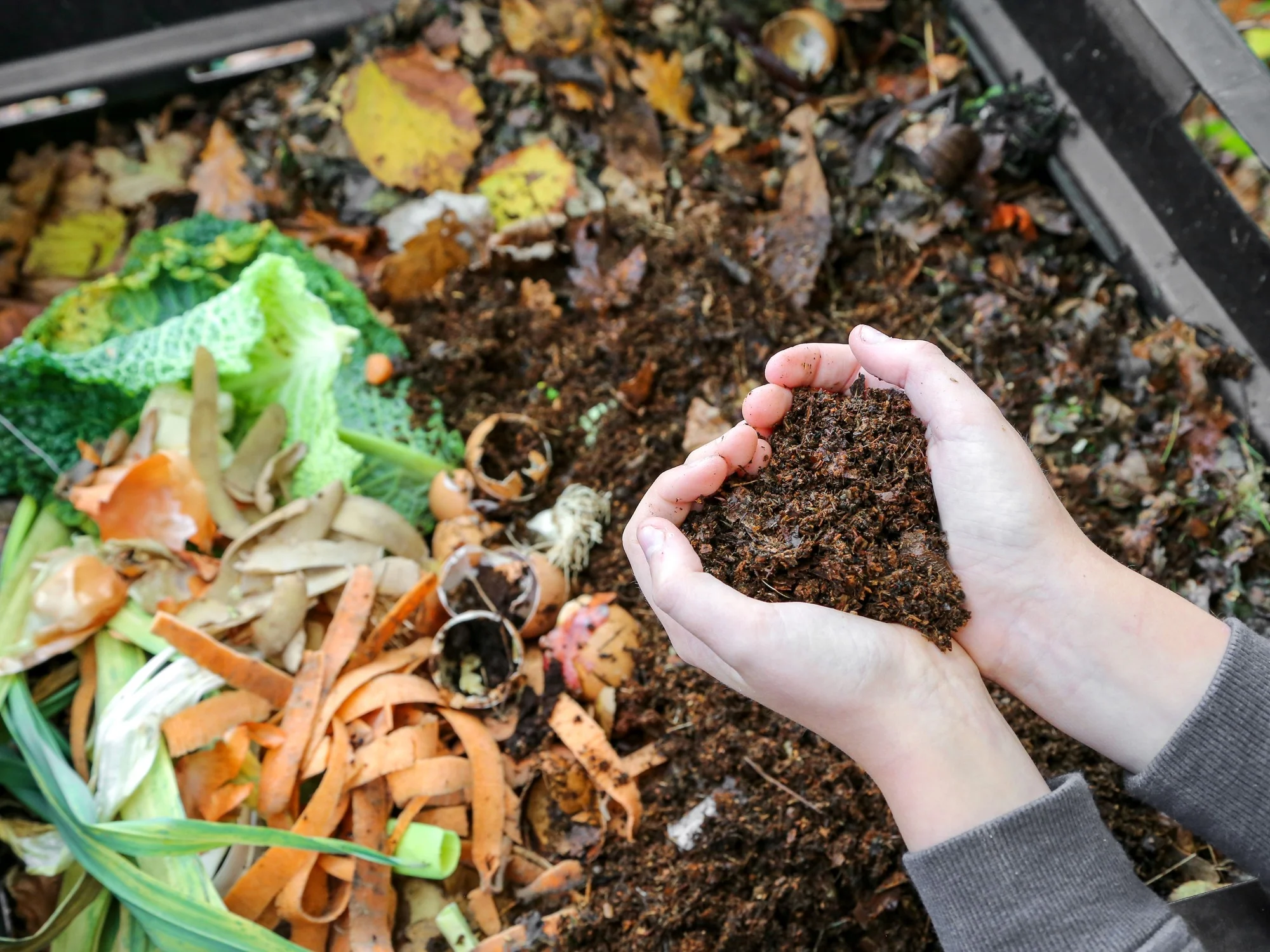
What to avoid in compost
To ensure healthy compost, the following should be excluded:
- Animal origin foods
- Dairy products and fats
- Pet feces
- Sick or fungal plants
- Medications, cigarettes, plastics, or glass
Benefits of homemade compost
- Reduces CO₂ emissions by preventing organic waste from reaching landfills
- Recycles food scraps and biodegradable materials
- Substitutes chemical fertilizers, avoiding the use of pesticides
- Restores soil quality, returning essential nutrients to plants
Once the worms process the waste, the compost can be applied directly to pots or planters, improving the substrate structure and stimulating plant growth.




