



The global network of Globally Important Agricultural Heritage Systems (GIAHS) now comprises 95 living examples of sustainable agriculture distributed across 28 countries. Recent additions include agricultural ecosystems from Brazil, Mexico, China, and Spain, all recognized for their ability to integrate tradition, production, and environmental balance through their agricultural heritage.
These systems highlight millenary practices that preserve biodiversity, ensure local food security, and protect fragile landscapes. They are concrete expressions of how humanity can coexist with nature, without destroying it. Each one represents an alternative to intensive agricultural models that harm the environment.
With the support of FAO, these initiatives value the knowledge of indigenous communities, cultivation techniques adapted to the climate, and the resilience of unique landscapes. In addition to food production, they maintain soil fertility, regulate water, and help address the effects of climate change.
The cultivation system on volcanic soil in Lanzarote or the Mexican Metepantle show how it is possible to produce without depleting resources. In both cases, water management and crop diversity are key to keeping vulnerable ecosystems alive.
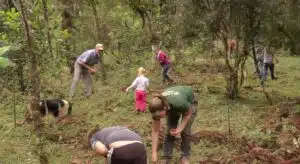
Harvesting without harming: a legacy of the land
The inclusion of yerba mate in Brazil as a GIAHS emphasizes an agroforestry approach that protects the araucaria forest, currently reduced to 1% of its original area. Integrating mate with fruit trees and other crops maintains forest cover and strengthens the cultural identity of the communities that produce it.
In Mexico, the Metepantle system preserves more than 140 native species thanks to an agricultural model on terraces inherited from the Nahua peoples. This ancestral strategy contributes to food security and prevents soil erosion, while combating rural abandonment.
In China, three different systems demonstrate the power of agrobiodiversity to sustain rural environments. Traditional pear cultivation, artisanal white tea production, and the combination of fishing with agriculture represent sustainable ways of living off the land without destroying it.
Each system enrolled in the GIAHS network serves as a reminder that the future of agriculture should not mimic industrial models, but instead look to local practices that have already demonstrated their harmony with the Earth.
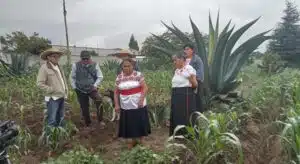 Mexico is part of the global network of Globally Important Agricultural Heritage Systems (GIAHS). Photo: GIAHS/Mexico, Meteplante.
Cultivating to heal the land
The practice of cultivation, when done sustainably, can significantly improve soil quality. By planting a variety of crops, especially cover crops like legumes, erosion is prevented and moisture retention is enhanced.
Moreover, plant roots help to loosen compacted soil, allowing air and water to penetrate. This improves soil structure, promoting essential microbial life to maintain its natural fertility.
Composting and the incorporation of organic residues from cultivation enrich the soil with essential nutrients. This reduces the need for chemical fertilizers and strengthens the ecological balance of the land.
Also, by keeping the soil covered with vegetation, the impact of sun and wind is reduced, preventing its degradation. Collectively, cultivating not only feeds but also regenerates the soil and promotes more resilient ecosystems.


